
When we use 100% cotton in a product at Bazaar Of Designora, we want you to know what that choice really means. You are choosing a natural-fiber fabric that feels familiar, breathable and quietly comfortable. Cotton does not usually look glossy, slippery or technical. Instead, it feels grounded and easy to wear, with a matte appearance and a soft, honest hand feel that many people associate with the most classic everyday garments.
This guide is written so you can understand the material from the customer point of view: what you are actually wearing, how it looks, how it feels against your skin, how it behaves when you sweat, how it performs across hot, mild and cold weather, and how the fabric itself is typically made — from raw cotton to finished material. We have also included image prompts throughout the document, so the visual language can stay consistent if you want to create future product or blog imagery.
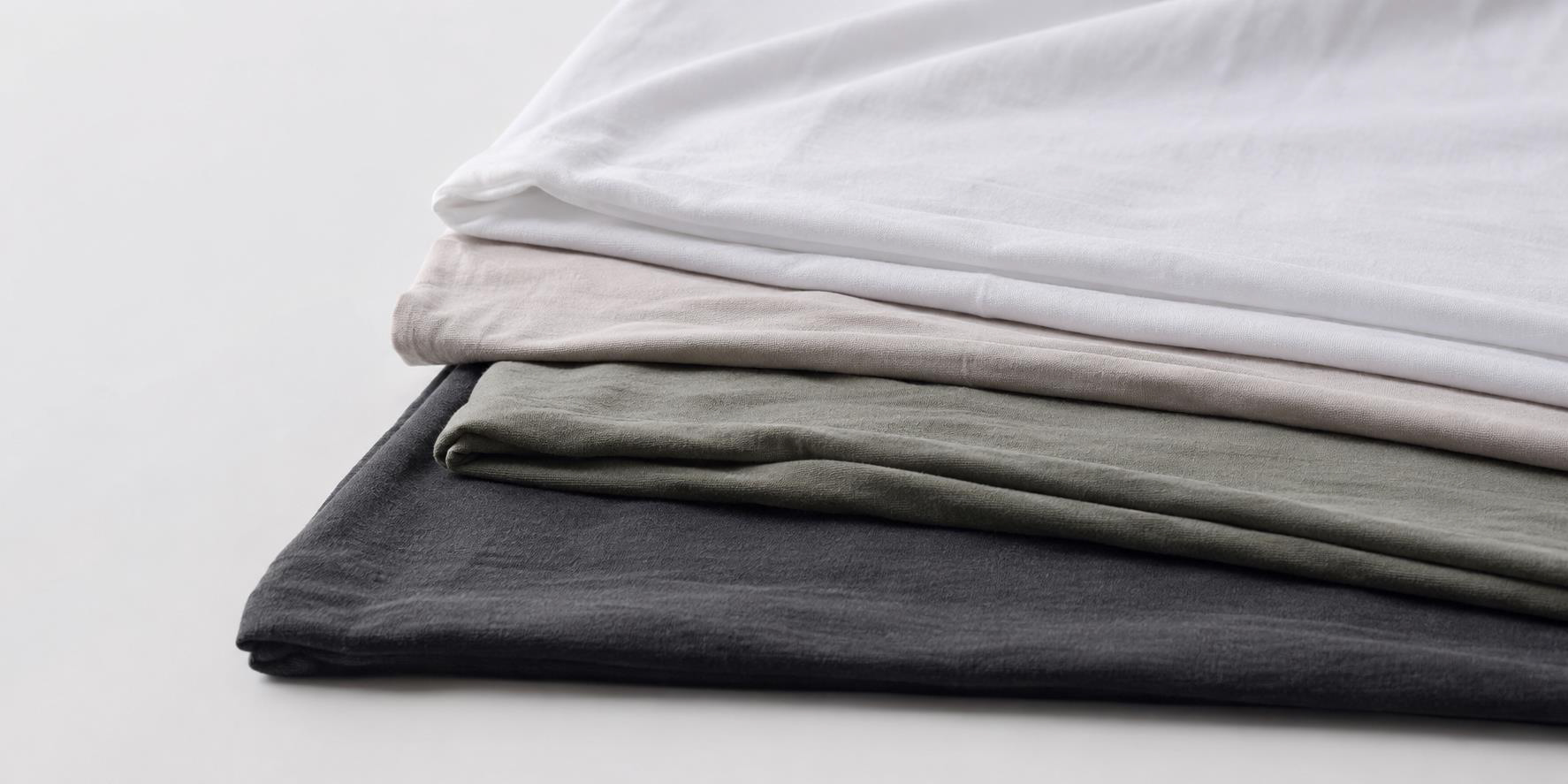
What we want you to know right away
100% cotton usually means natural comfort, breathability, a matte look and a familiar everyday feel.
Our honesty note
Not every 100% cotton fabric feels identical. Weight, yarn type, knitting density, finishing and garment construction all influence the final experience.
1. What you are actually wearing
In practical terms, you are usually wearing a cotton jersey fabric. Jersey is a knit structure, which means the material is made from interlooped yarn rather than from a rigid woven grid. That structure is one reason a cotton T-shirt or cotton casual top can feel flexible and easy to move in even without stretch fibers. Visually, the surface often looks smooth from a normal distance, while up close you can see tiny knitted columns and a fine, natural texture.
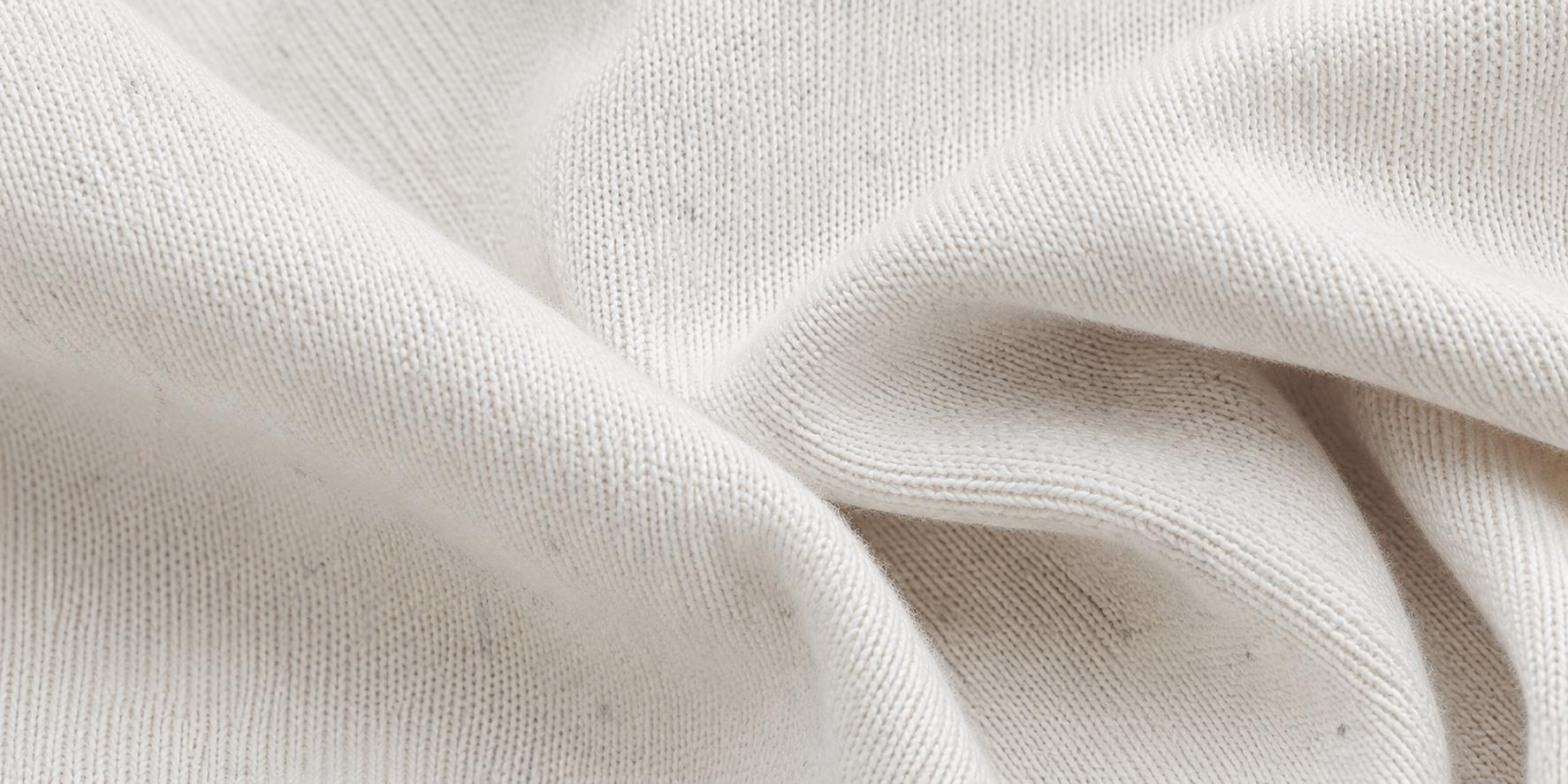
From our perspective as a brand, cotton has a reassuring look. It usually reads as relaxed rather than sleek, natural rather than glossy, and timeless rather than trend-driven. On a finished garment, it tends to create a clean but informal silhouette. The fabric falls with moderate softness, showing folds and wrinkles in a natural way. It is not as fluid as a drapey viscose and not as springy as many technical synthetics, but that balance is exactly what many customers love about it.
|
Aspect |
What you can expect |
|
Look |
You can expect a matte, natural-looking surface with a calm everyday appearance instead of a shiny or highly technical finish. |
|
Drape |
Cotton usually has moderate drape. It follows the body comfortably but still keeps some structure. |
|
Character |
The overall impression is classic, approachable and easy to style — one of the reasons cotton remains such a dependable wardrobe material. |
2. How 100% cotton feels against your skin
When you touch 100% cotton, the sensation is usually best described as soft, dry and familiar. By “dry,” we do not mean rough. We mean that cotton does not have the slick, cool, almost slippery touch often associated with synthetic performance fabrics. Instead, it has a skin-friendly softness with a slightly natural, grounded feel. Many people find that reassuring because the fabric feels like a textile rather than like a film or a technical surface.
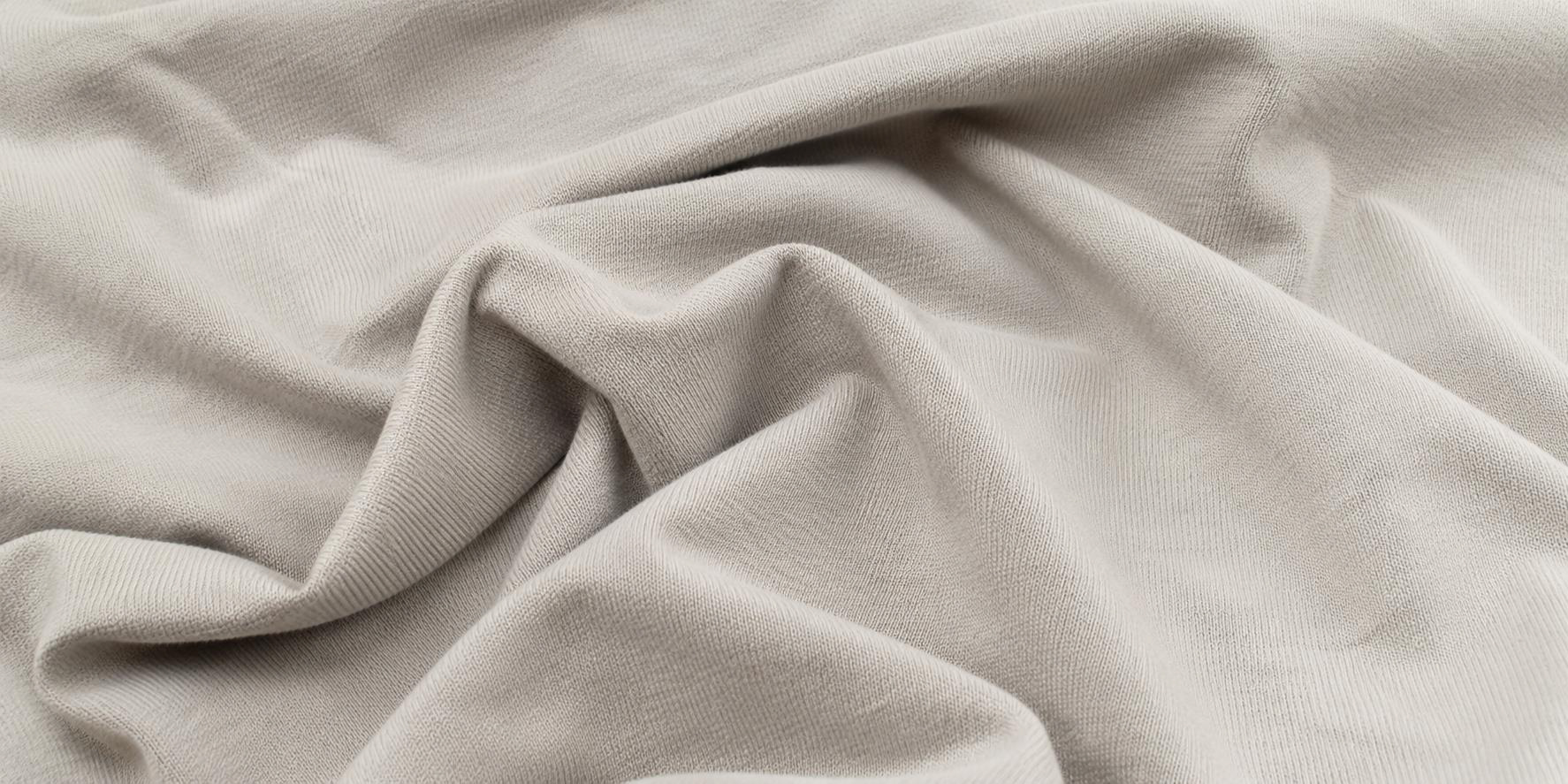
How soft a cotton product feels depends on several decisions made before the finished garment reaches you. The length and quality of the cotton fibers matter. The yarn construction matters. The knit density matters. Softening and washing treatments matter too. That is why two products can both be made from 100% cotton and still feel slightly different. One can feel more substantial and traditional, while another can feel smoother and more refined.
- If you prefer fabrics that feel breathable and natural, cotton is often one of the easiest materials to enjoy directly against the skin.
- If you dislike slippery or plastic-like sensations, cottongenerally feels more comfortable and authentic than many synthetics.
- If you want a fabric that feels highly elastic or very cool to the touch, cotton may feel calmer and less “performance-oriented” by comparison.
3. Sweat, breathability and weather comfort
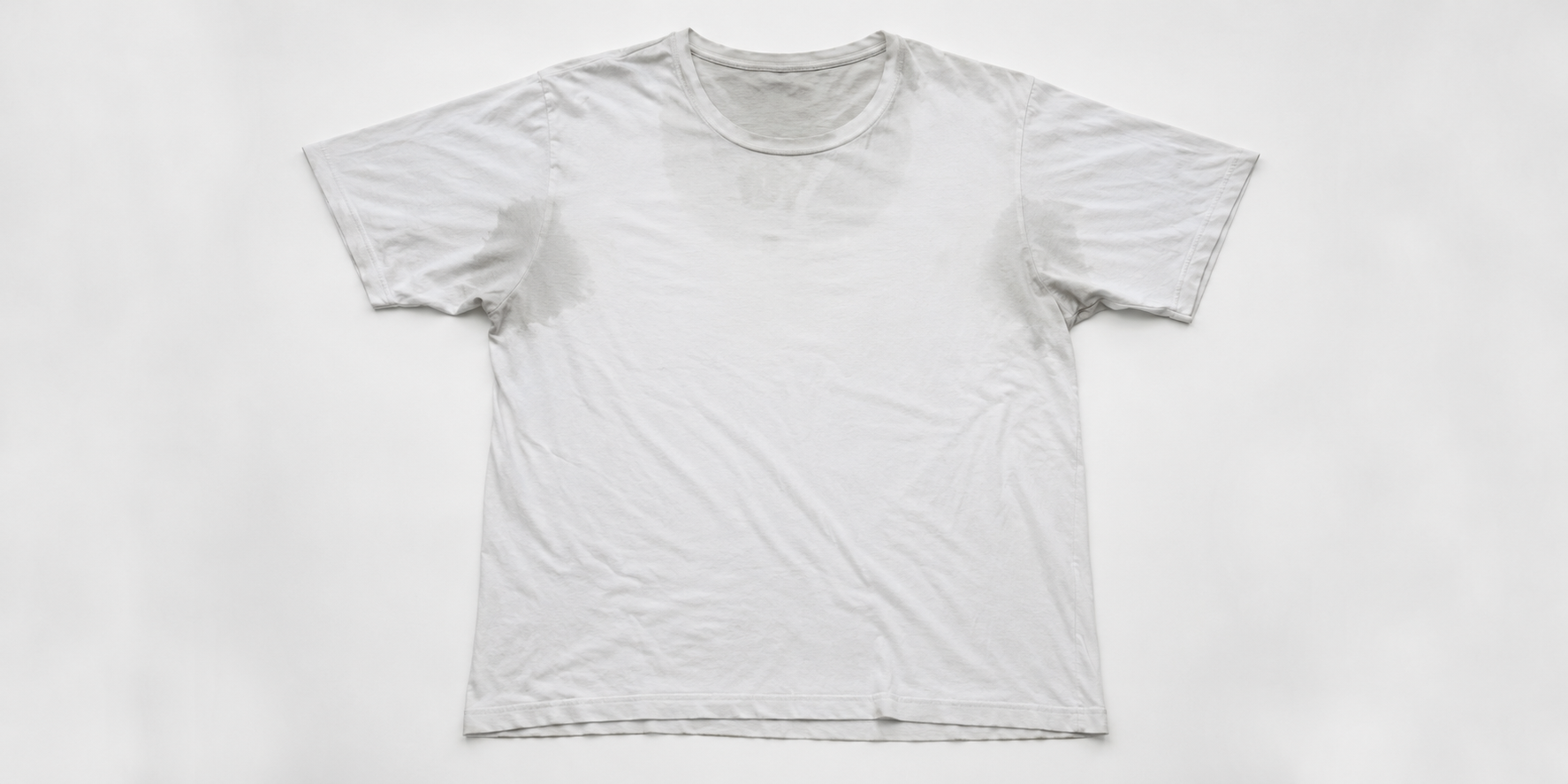
Cotton performs very well in many everyday situations because it generally breathes well and feels comfortable on the skin. Air can move through it more naturally than through many dense synthetic materials, which helps explain why cotton often feels easy to wear for normal daily use. At the same time, we believe in being transparent: cotton does not behave like a fast-drying moisture-wicking sports fabric. Instead of rapidly moving moisture away, it tends to absorb sweat into the fiber.
|
What happens with sweat During light perspiration, cotton often feels pleasant and easy to wear. During heavy perspiration, it can become damp and may stay wet longer than a technical sports fabric. |
What that means for you Cotton is a great choice for casual wear, daily layering, errands, travel and lifestyle dressing. It is less ideal if you specifically need a highly technical training fabric. |
Weather guide
- Hot weather: 100% cotton can feel comfortable when the fabric is not too heavy and the fit is not too tight. It breathes well, but if you sweatheavily it may start to feel moist.
- Mild weather: this is where cotton often performs best. It usually feels balanced,versatile and easy to wear on its own or under a light outer layer.
- Cold weather: cotton is useful as a base layer or casual inner layer, but by itself it is not especially insulating. Inreal cold, it works best under knitwear, sweatshirts or jackets.
One of the most helpful ways to think about cotton is this: it is a comfort fabric rather than a performance fabric. That does not make it less valuable. It simply means its strengths are honesty, softness, breathability and familiarity — not high-speed drying or highly athletic function.
4. Production journey — stage 1: from raw cotton to prepared fiber
The next pages focus on how 100% cotton fabric is typically produced. We believe that understanding the production journey helps you understand the final product more clearly. Everything begins with raw cotton fiber. Cotton grows around the seeds of the cotton plant and is harvested, then cleaned so the useful fiber can be separated from seeds, plant matter and other natural residue. This early preparation stage has a direct influence on the consistency and cleanliness of the yarn that will later be made from the fiber.
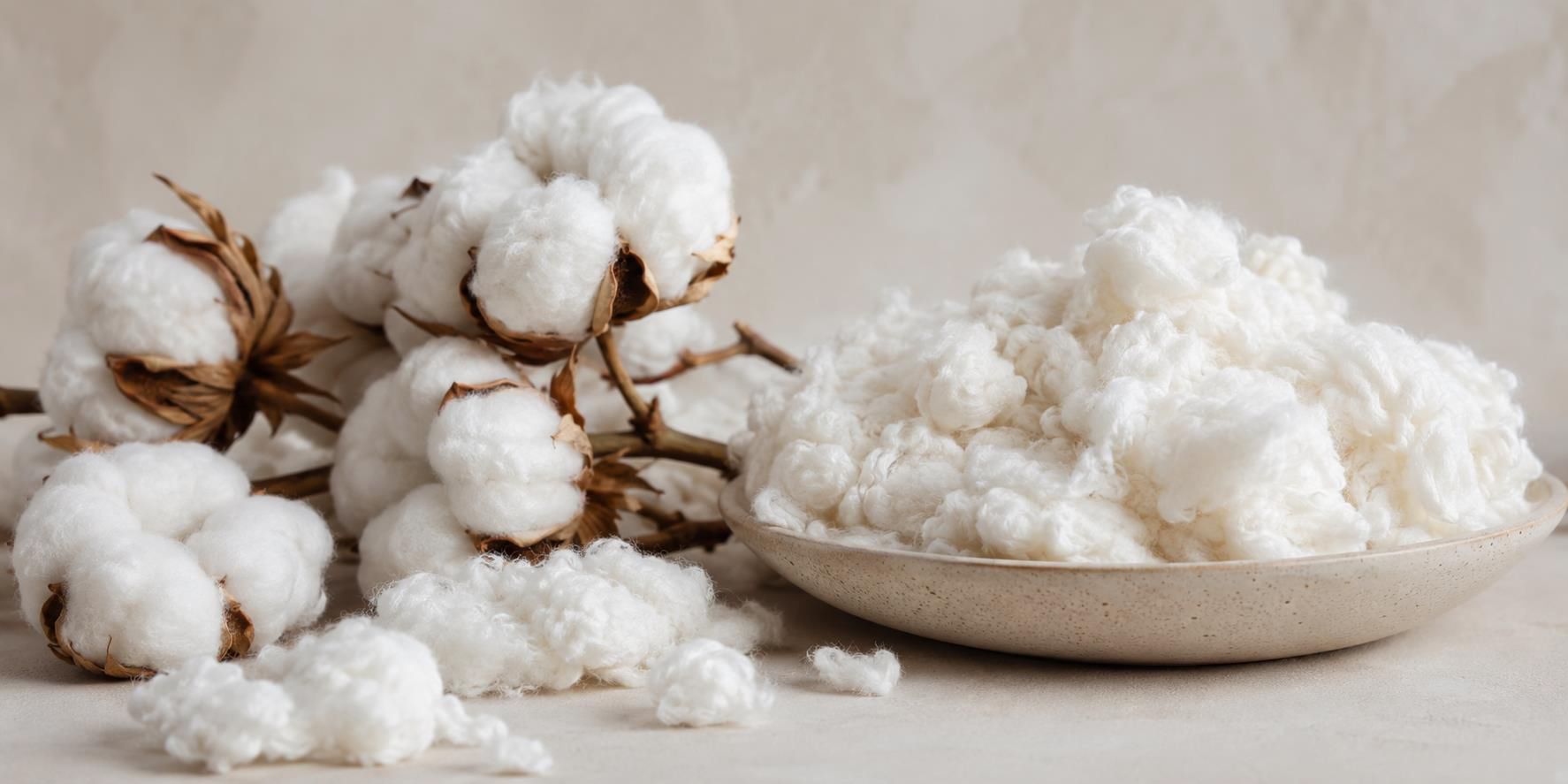
From the customer point of view, this matters because the fabric you touch later is not just “cotton” in a generic sense. It is the result of a process that begins with the selection and preparation of actual natural fiber. Cleaner, better-prepared cotton generally supports a more consistent yarn and a more pleasing final fabric. Even though you do not see this stage in a finished product, it is the first step in the story of how softness, breathability and comfort come to life.
- Harvesting gathers the cotton from the plant.
- Cleaning removes seeds and unwanted plant matter.
- Preparation opens and aligns thefibers so they are ready for spinning.
5. Production journey — stage 2: spinning cotton into yarn
Once the cotton has been cleaned and prepared, it is spun into yarn. This is one of the hidden stages that shapes how the final fabric will feel. The fibers are aligned, drawn out and twisted together into long strands. These strands become the yarn that is later knitted into fabric. Yarn quality influences softness, strength, surface refinement and even the visual character of the final material.
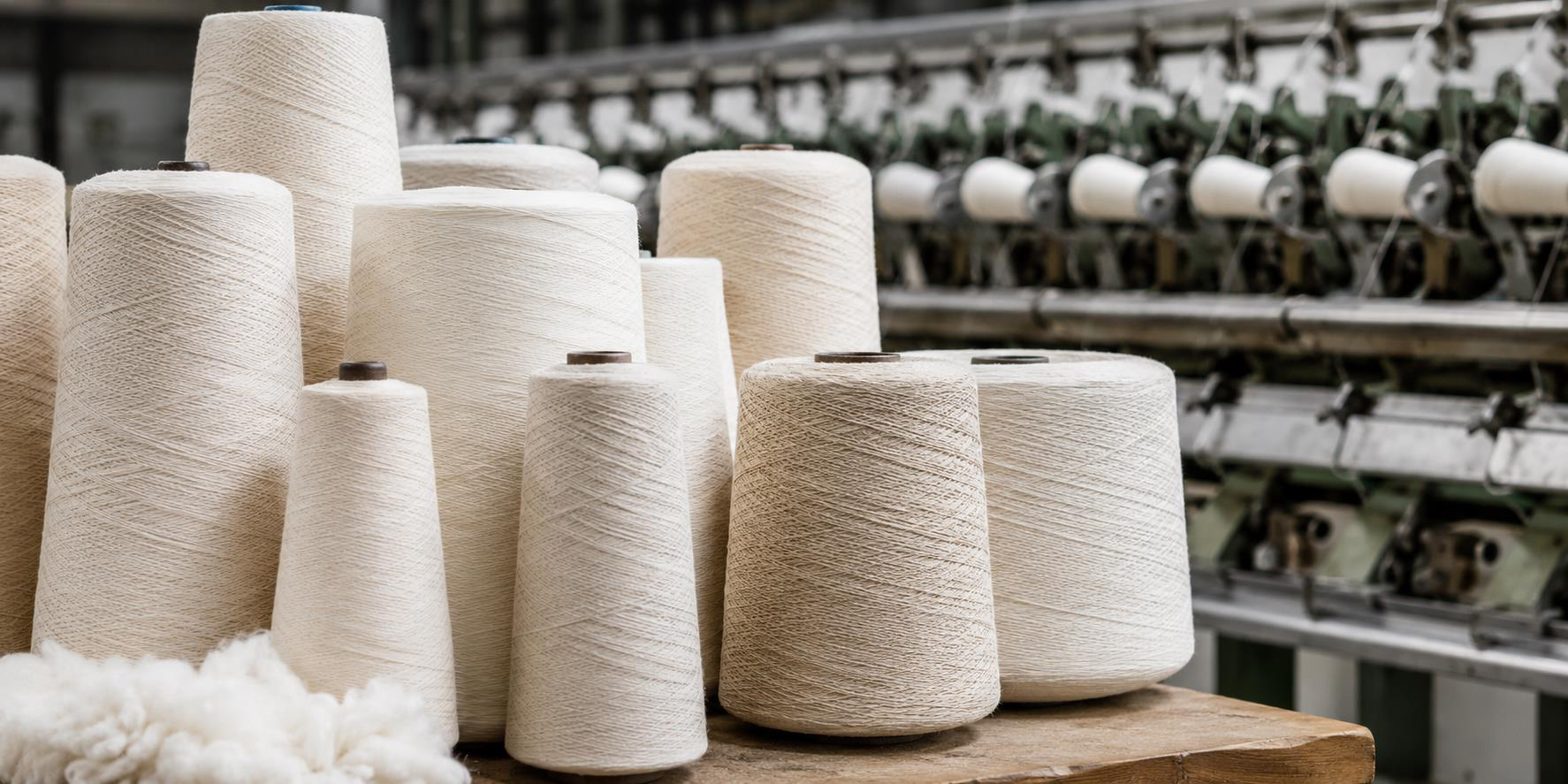
From our perspective as a brand, this is where a lot of the “personality” of the future fabric begins to form. Finer and more carefully prepared yarns can support a smoother, more refined result. More robust yarns may create a slightly firmer and more substantial hand feel. This is why cotton fabrics can differ even when they are all honestly 100% cotton. The fiber content stays the same, but the way that fiber is turned into yarn affects what you eventually feel on your skin.
|
What this changes Spinning influences smoothness, strength, consistency and how refined the fabric surface may appear later. |
Why it matters to you This stage helps explain why one cotton product may feel softer and another may feel more structured, even when both are made from 100% cotton. |
6. Production journey — stage 3: knitting the yarn into fabric
After spinning, the yarn is turned into fabric. For many cotton garments, especially T-shirts and casual tops, this means knitting the yarn into jersey. This is the stage where the material begins to look and behave more like the fabric you recognize: flexible, soft and able to form comfortable folds. The knit structure determines part of the fabric’s stretch, its thickness, the visibility of the knit texture and its overall drape.
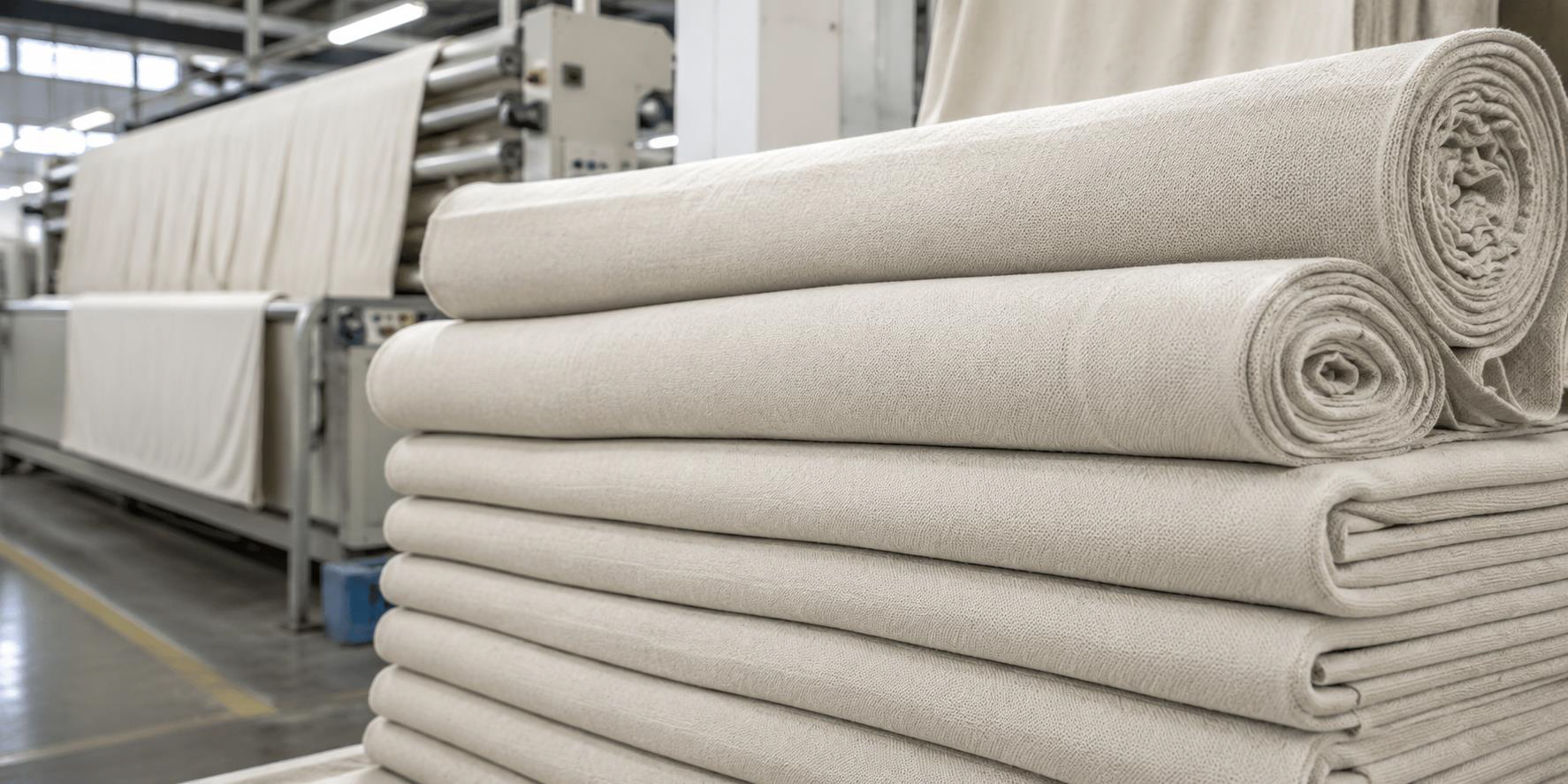
Before final coloration and finishing, the material may still be in an unfinished state. At this point, the fundamental body of the fabric already exists, but the final touch, color and surface refinement may still come later. We like to highlight this stage because it shows that a cotton fabric’s softness and flexibility are not accidental. They are directly connected to the way the yarn has been knitted and to how dense or open the structure is.
- Knitting turns yarn into a continuous textile surface.
- Knit density affects breathability,weight and drape.
- The jersey structure helps the final garment feel easy to wear and naturally flexible.
7. Production journey — stage 4: dyeing and finishing
Once the base fabric has been made, it usually moves into dyeing and finishing. This stage adds color and helps define much of the final hand feel that you experience as the customer. During finishing, the fabric may be washed, softened, stabilized or otherwise treated so that it becomes cleaner in appearance, more consistent and more pleasant to wear. This is one of the stages where the material begins to feel more “complete.”
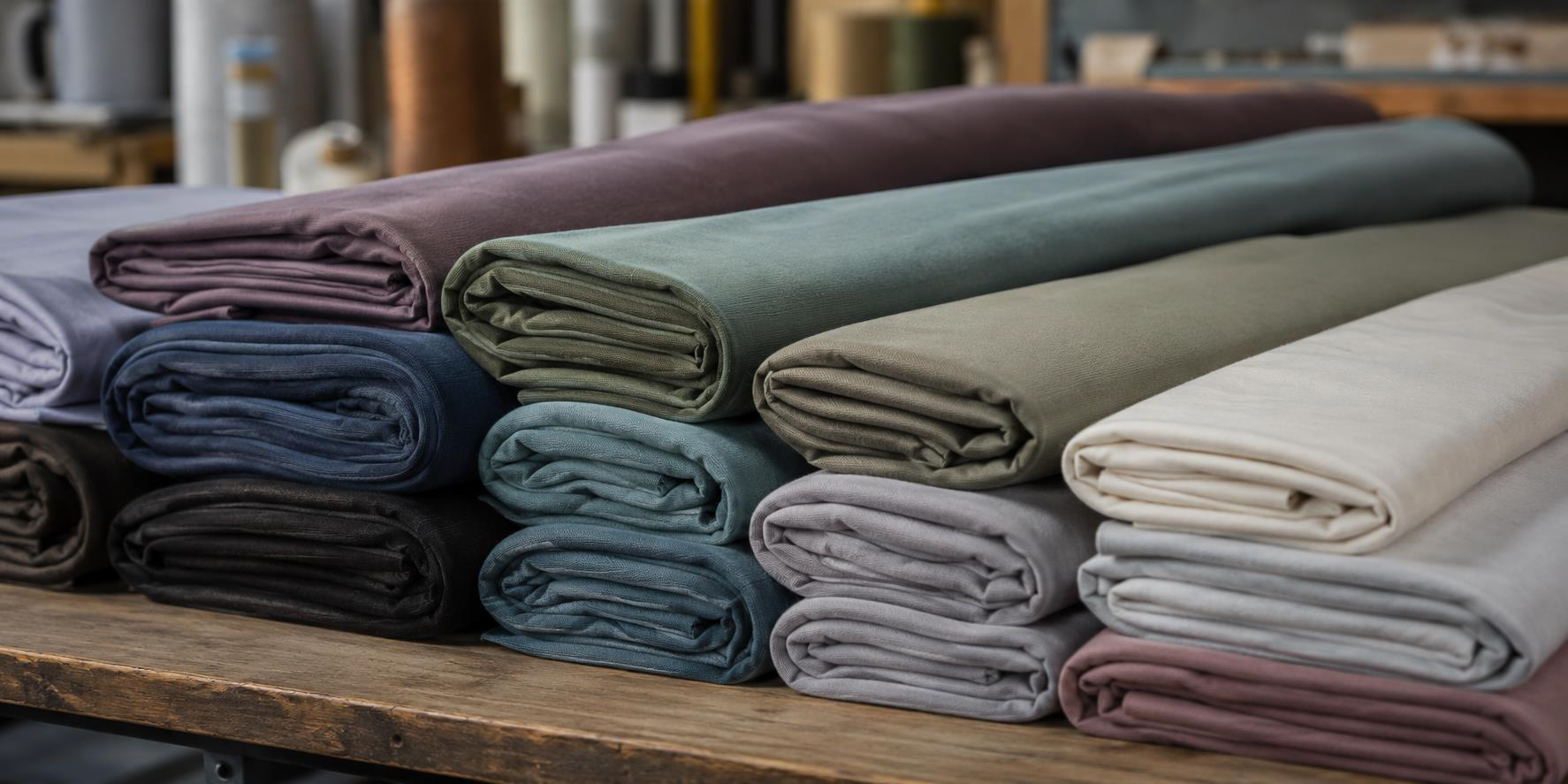
This stage matters because color and finish influence more than appearance. They can also influence touch. Some cotton fabrics become softer after finishing. Some feel more compact. Some gain a smoother or cleaner-looking surface. That is why, from a brand perspective, we never want to oversimplify the phrase “100% cotton.” The fiber composition tells you what the fabric is made from; the finishing tells you a great deal about how it will finally feel and look in your hands.
|
What changes here Color, softness, cleanliness of appearance and part of the final touch are strongly influenced during dyeing and finishing. |
Why it matters to you This stage helps explain why one cotton product may feel more polished or more relaxed than another, even when both use the same fiber content. |
8. Production journey — stage 5: cutting, sewing and the finished material
After the fabric has been dyed and finished, it is cut and sewn into a final product. Even if your main focus is the material itself, this stage still matters because construction influences how well the cotton fabric performs in real life. Hem quality, seam consistency and the way the edges are finished all affect durability, neatness and the overall feel of the finished product. A beautiful fabric can lose some of its appeal if the construction is poor, while careful construction allows the cotton to show its best qualities.
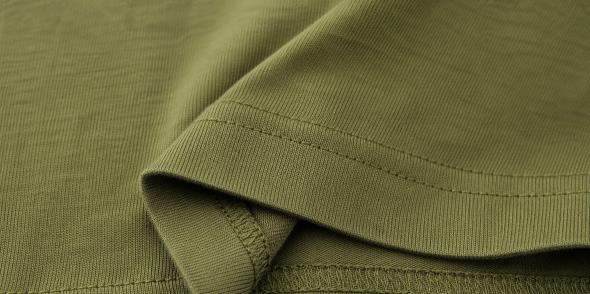
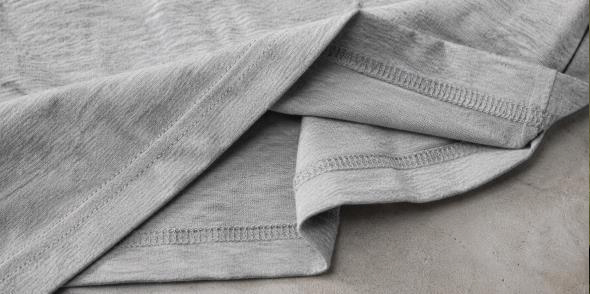
When we talk about “finished cotton material,” we are really talking about the full result of the entire production chain: natural fiber, spun yarn, knitted fabric, dyeing, finishing and construction. By the time the product reaches you, all of those decisions are present in one tactile experience. That is why two 100% cotton products can feel similar in spirit but still have meaningful differences in softness, body, weight and refinement.
|
Aspect |
What you can expect |
|
Construction |
Neat hems and stable seams help the product look cleaner and wear better over time. |
|
Durability |
Good finishing and careful sewing support shape retention and a more dependable everyday experience. |
|
Overall feel |
The final feel of the material is shaped by the whole production journey, not by fiber content alone. |
9. How we would explain 100% cotton on a product page
If we were speaking to you directly from a product page, we would want the message to be both beautiful and honest. From Bazaar Of Designora to you: 100% cotton is one of the most dependable materials for everyday comfort. It offers a natural hand feel, a matte appearance and a breathable character that makes it easy to wear in many situations. It is especially strong in casual life: daily dressing, layering, relaxed styling and wardrobe basics that are meant to feel familiar and comfortable.
Best suited for
- Everyday tops,T-shirts and casual clothing.
- Customers who enjoy natural fibers against the skin.
- Mild and moderately warm weather dressing.
- Layering pieces that feel relaxed,easy and breathable.
Things we think are worth telling you clearly
- 100% cotton is breathable and comfortable, but it is not a fast-drying performance fabric.
- The exact feel can vary depending on yarn quality, fabric weight, knitdensity and finishing.
- Cotton can shrink or feel denser if it is washed or dried atvery high heat.
- Gentler care helps preserve softness,shape and the overall finish of the material.
Care note
For the best long-term experience, we recommend washing cotton in cool to warm water, avoiding unnecessarily aggressive dryer heat and reshaping the product after washing when needed. Simple, moderate care usually helps preserve softness, size stability and the overall beauty of the fabric.
10. All our products made from 100% Cotton:
-
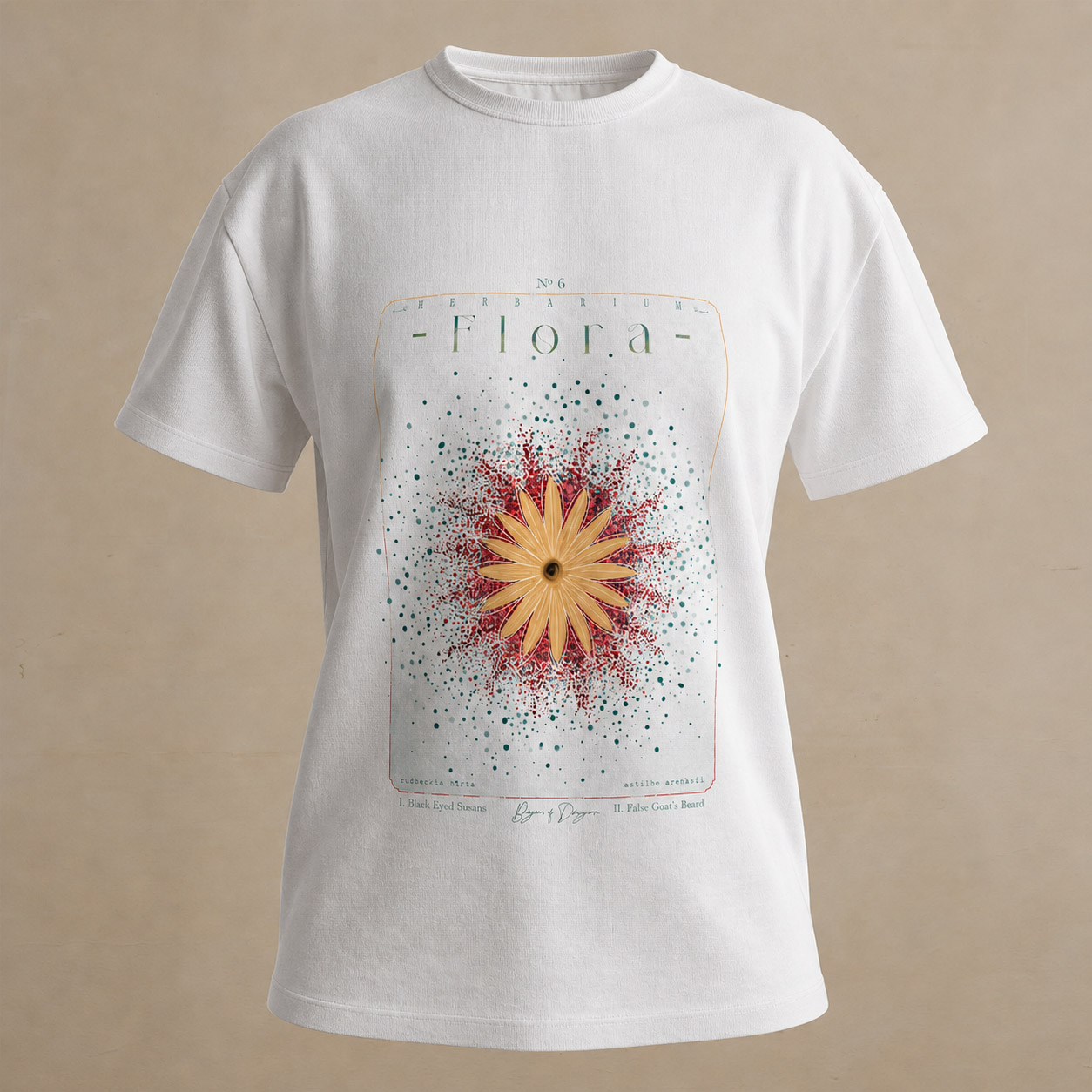
Black-Eyed Susans & Astilbe | T-Shirt
€80.00 -
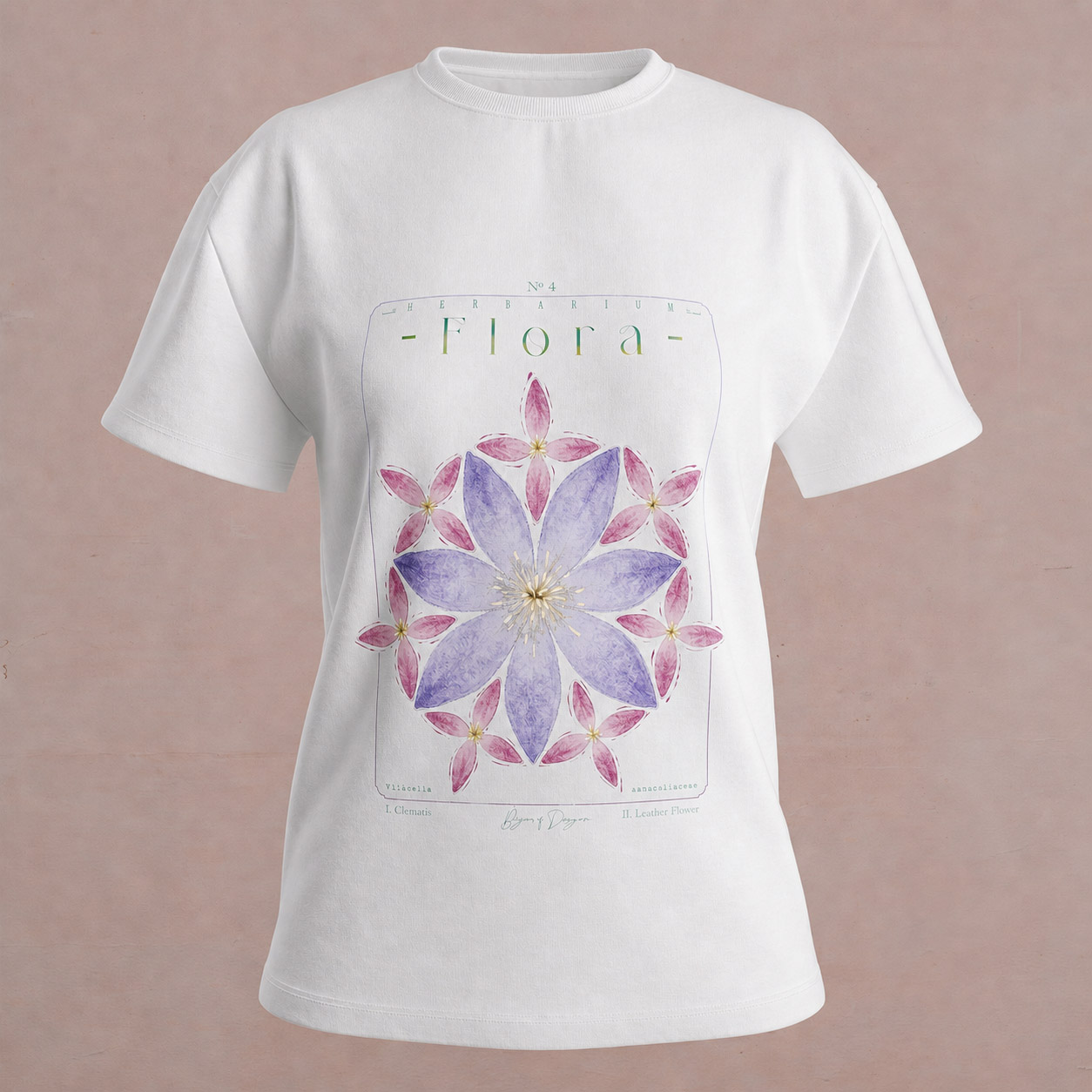
Clematis | T-Shirt
€80.00 -
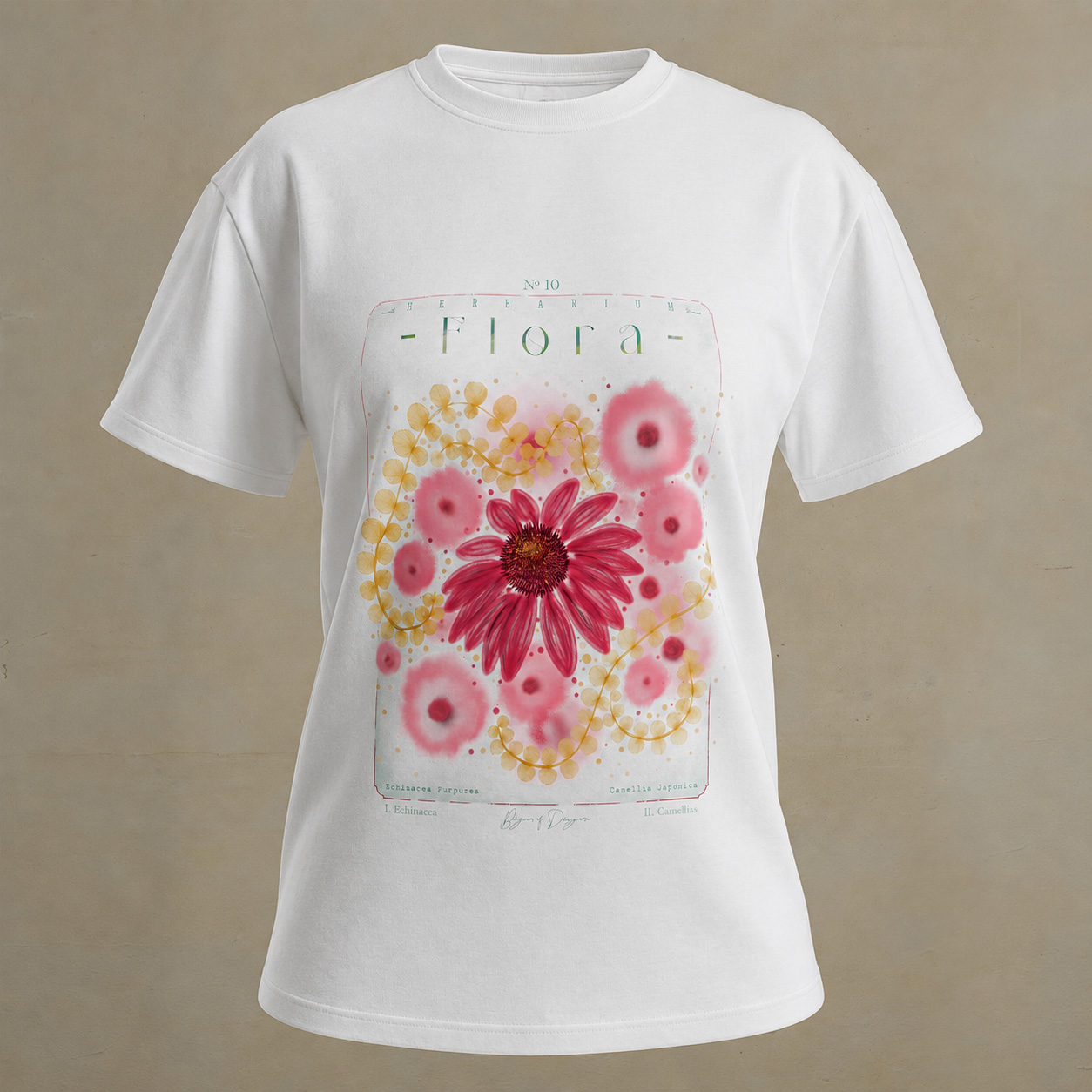
Echinacea, Camellias & Golden Creeping Jenny | T-Shirt
€80.00 -
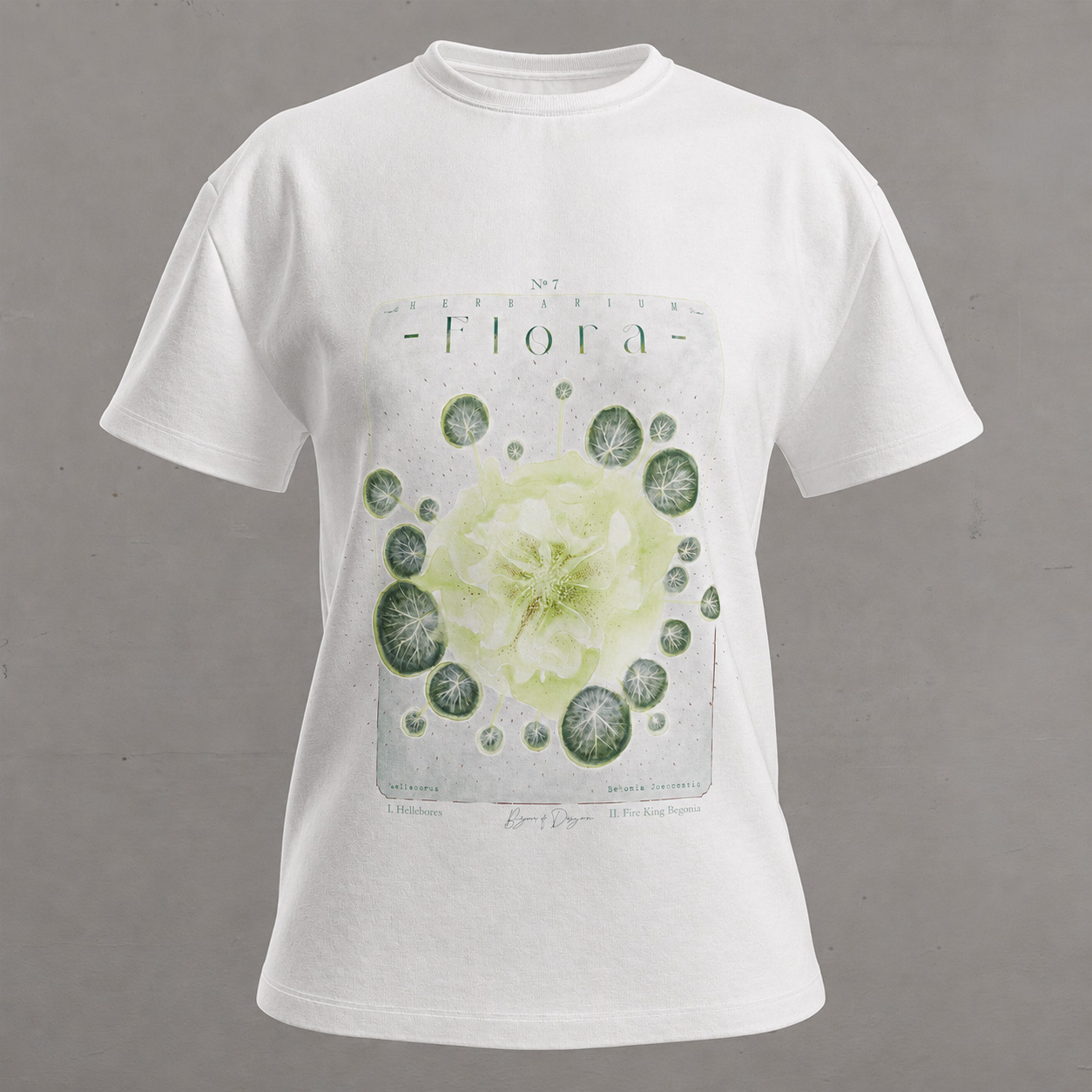
Hellebores & Begonias | T-Shirt
€80.00 -
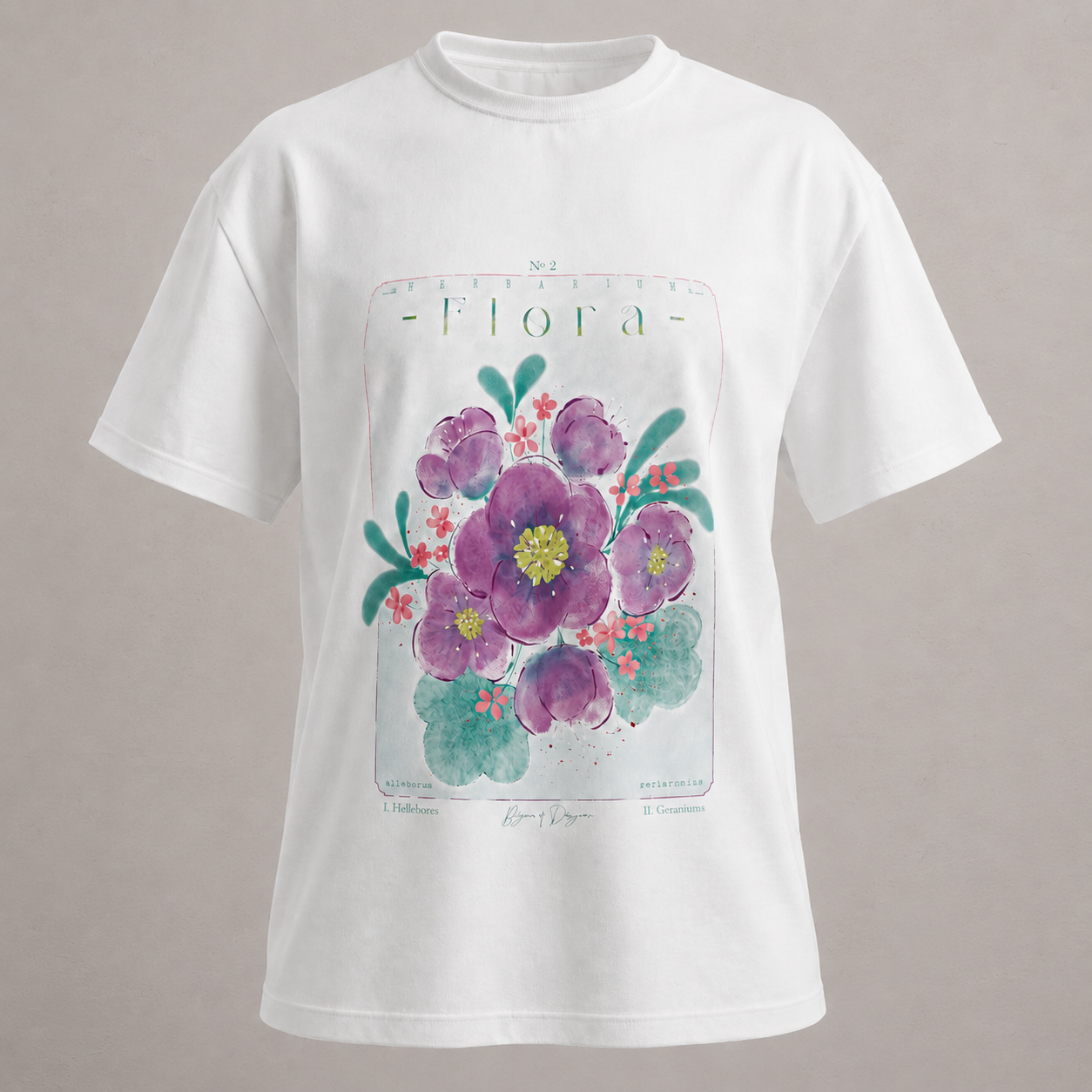
Hellebores & Geraniums | T-Shirt
€80.00 -
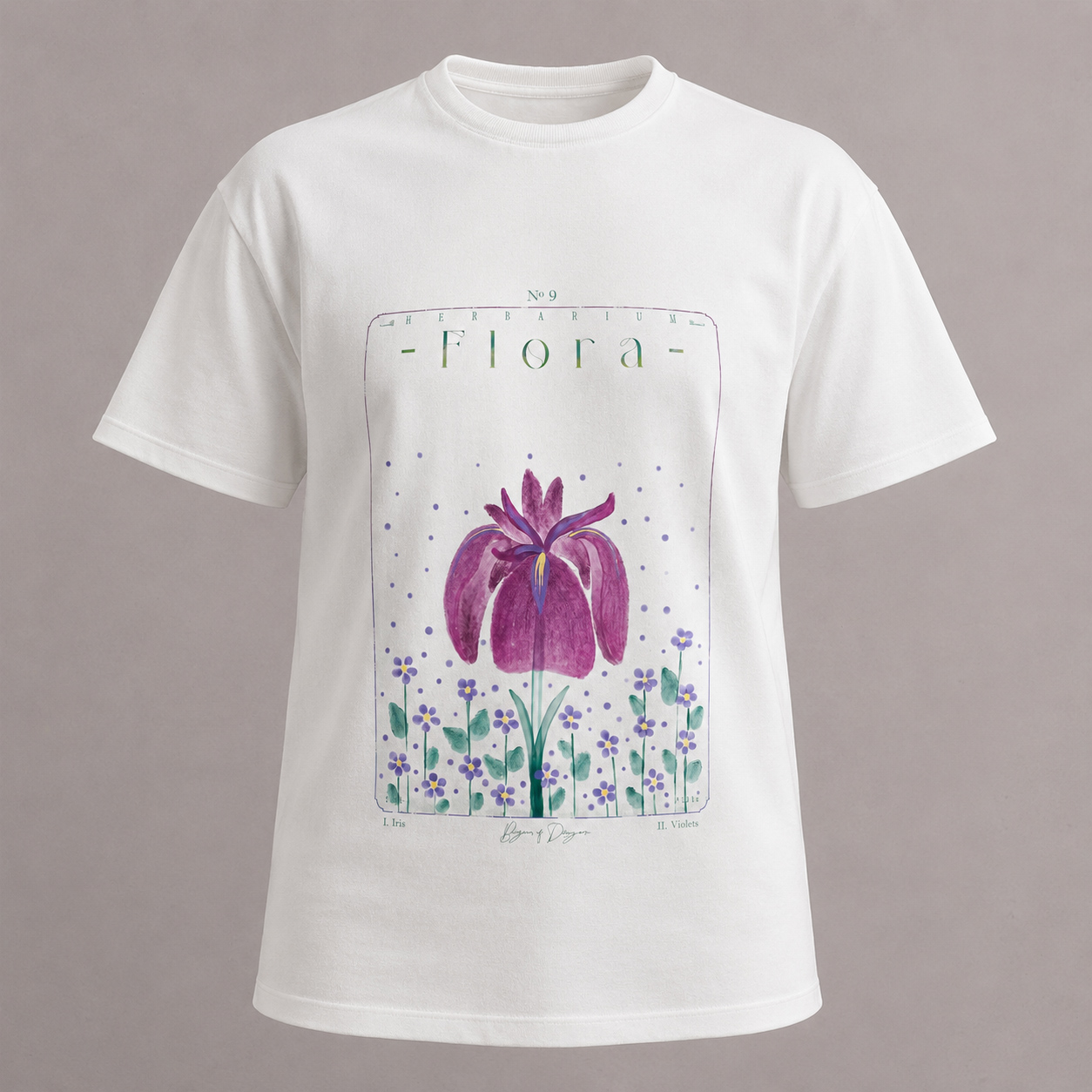
Iris & Violets | T-Shirt
€80.00 -
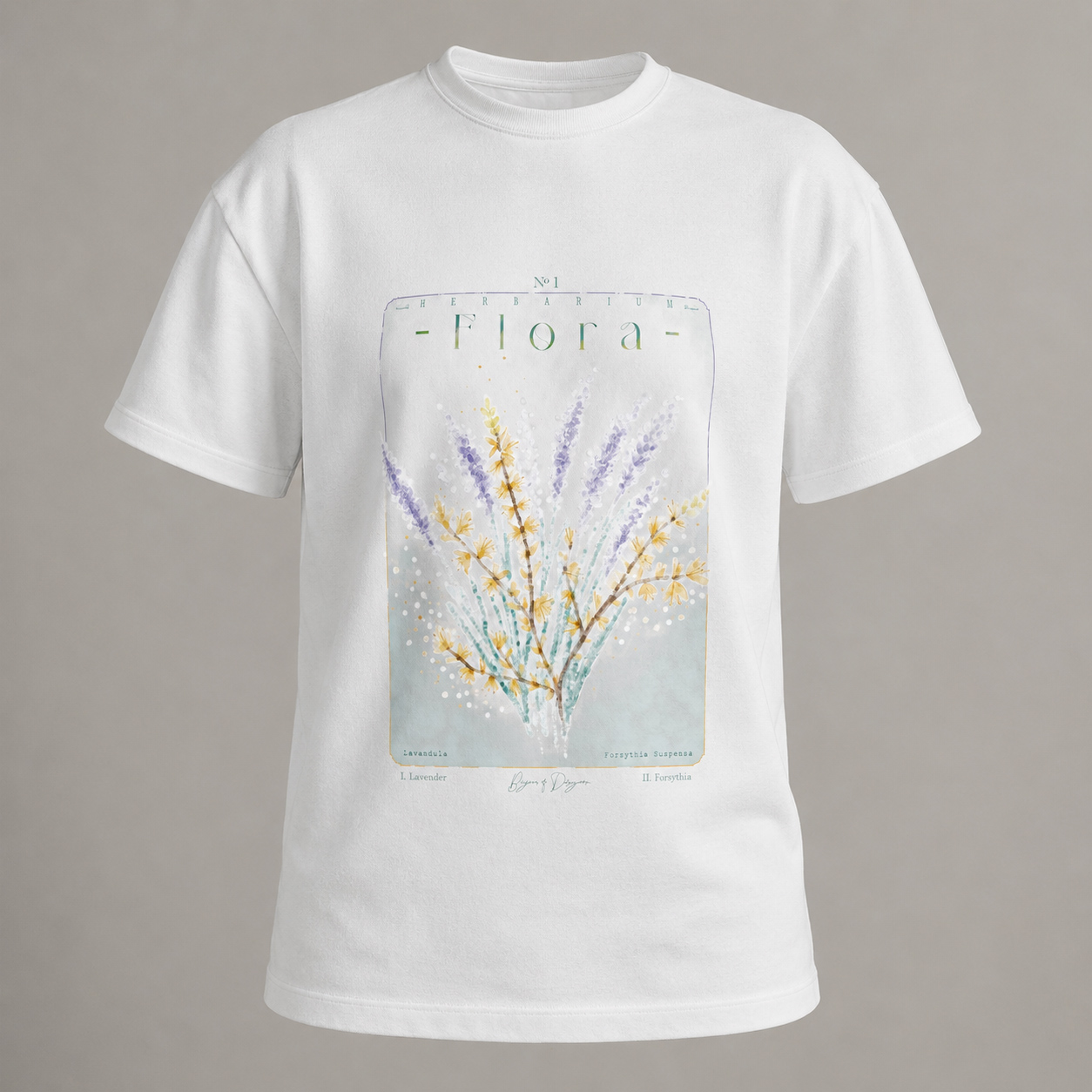
Lavender & Forsythia | T-Shirt
€80.00 -
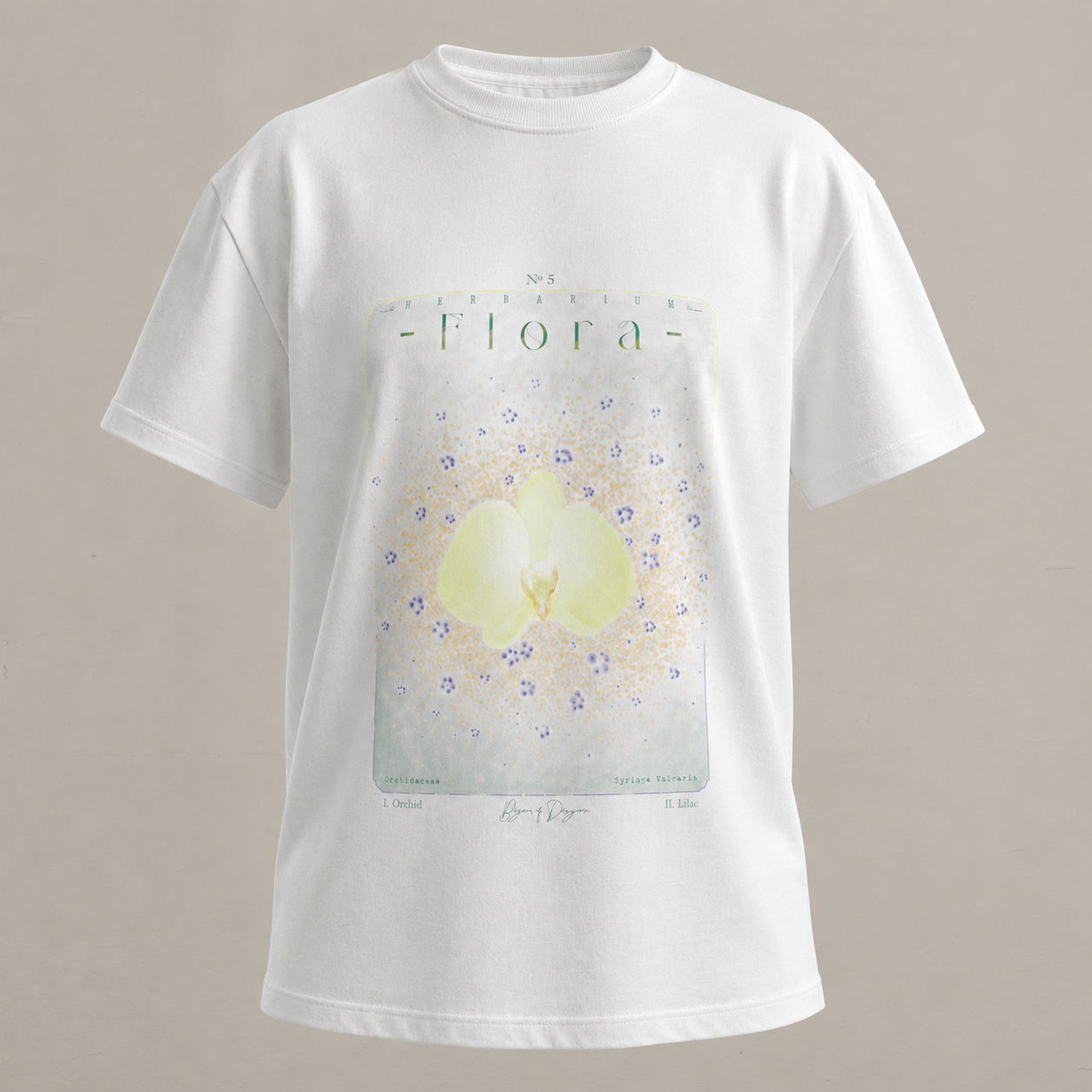
Orchids & Lilac | T-Shirt
€80.00 -
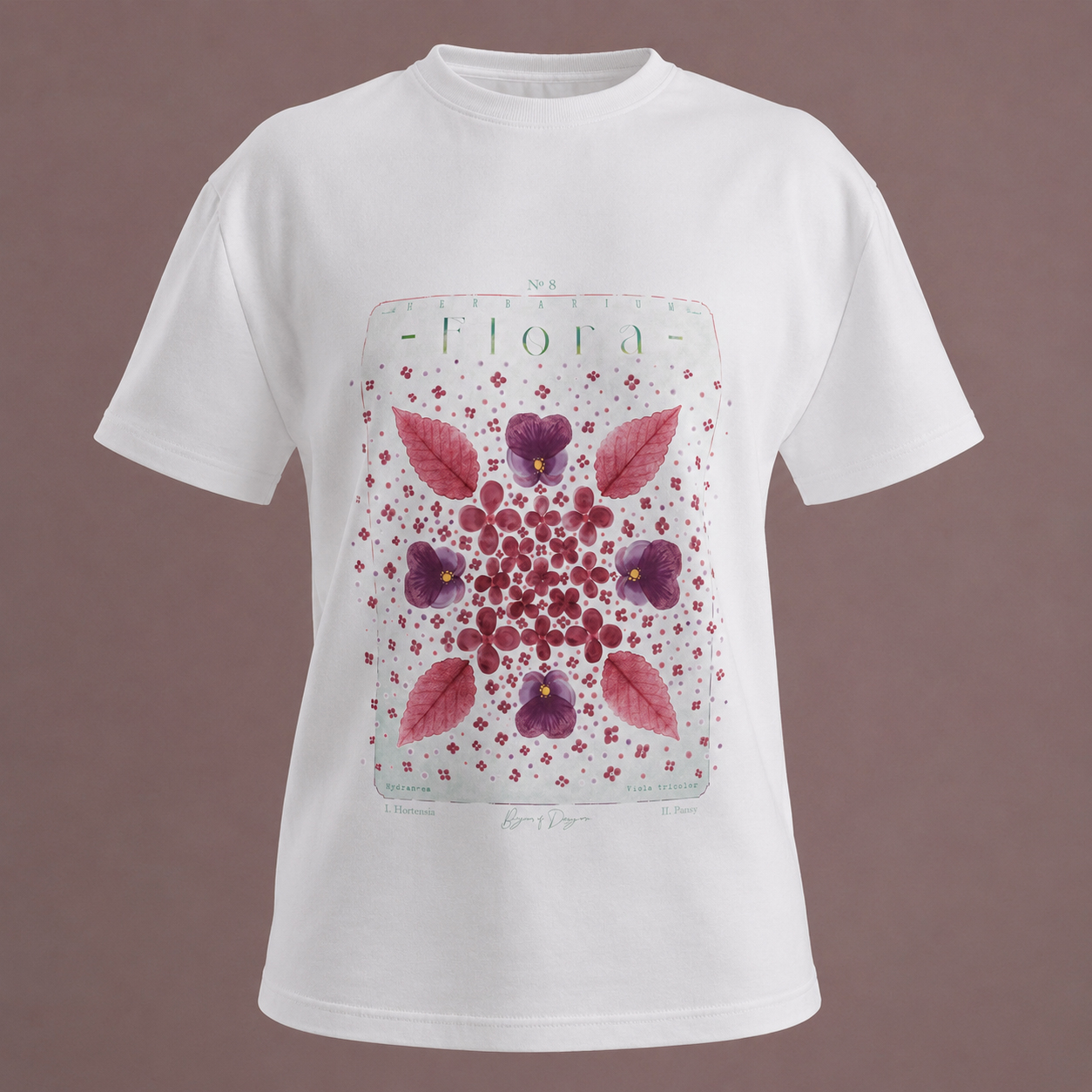
Pansy, Hydrangea & Coleus | T-Shirt
€80.00 -
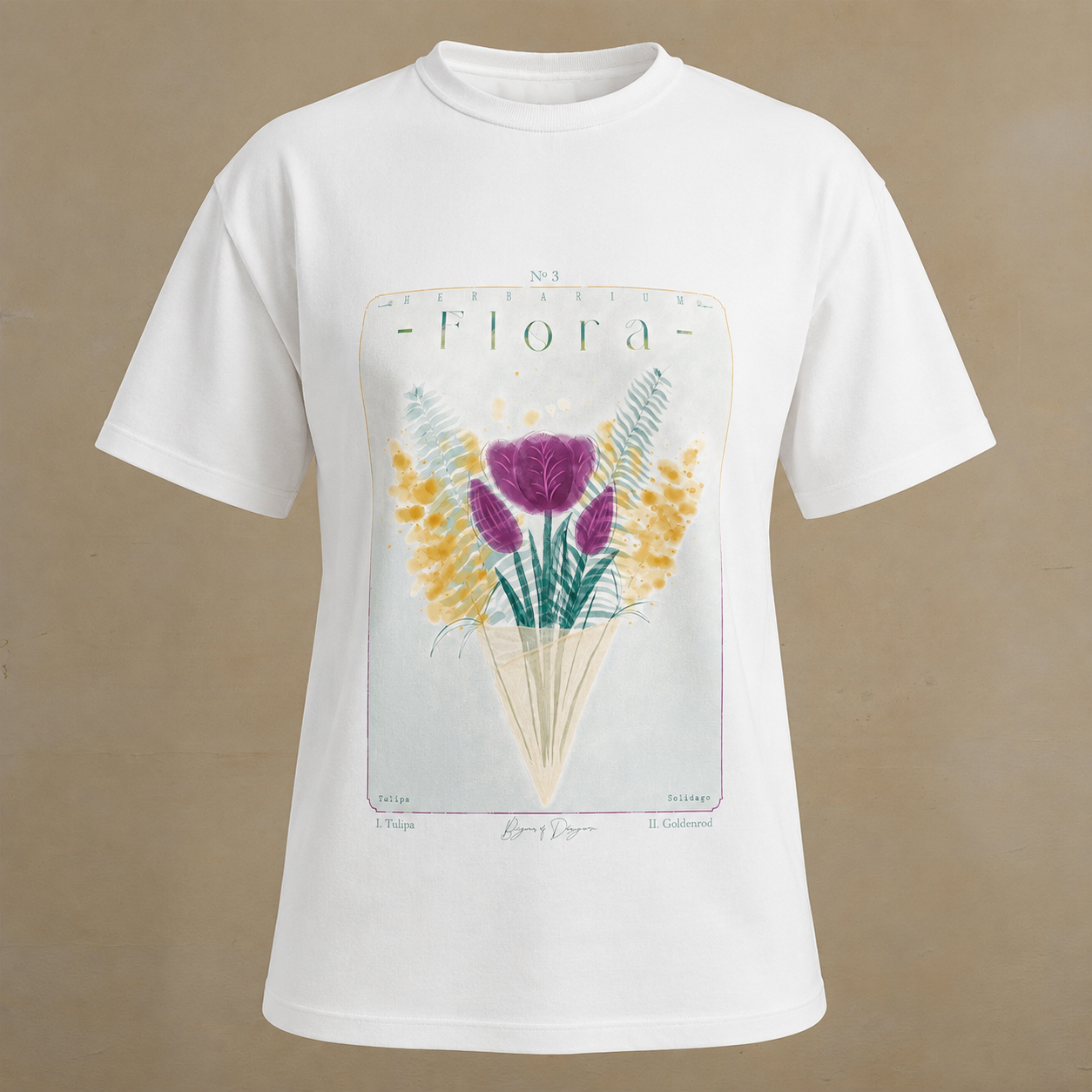
Tulips & Goldenrod | T-Shirt
€80.00