
Pansy
Viola tricolor hortensisThe Thoughtful Face: Pansy
The Pansy (Viola tricolor hortensis) is a flower synonymous with reflection and remembrance, its name derived from the French word pensée, meaning "thought." This connection was immortalized by Shakespeare’s Ophelia, who remarked, "And there is pansies, that's for thoughts." The modern pansy we recognize today is a relatively recent "creation" of the early 19th century. It began when Lady Mary Elizabeth Bennet and her gardener, William Thompson, started cross-breeding various species of wild violas (like the Heartsease). By 1839, Thompson discovered a bloom with a dark, blotched center that resembled a face—a trait he called the "face" pansy—which transformed the flower from a humble wildflower into a Victorian gardening sensation. In the "Language of Flowers," a pansy gifted to a suitor was a silent way of saying, "I am thinking of you."
Beyond its romantic history, the pansy has a long-standing utility in the culinary and medicinal arts. Because it is a direct descendant of the Heartsease (Viola tricolor), it contains salicylic acid (the precursor to aspirin) and was traditionally used in folk medicine to treat skin conditions like eczema and respiratory issues like asthma. Today, the pansy is one of the most popular edible flowers in the world; its petals have a mild, slightly minty flavor and are used to garnish salads, freeze into ice cubes, or "crystallize" with sugar for cake decorating. In the garden, pansies are prized for their "antifreeze" properties, as they are one of the few flowers that can survive a hard frost and even bloom under a light blanket of snow. As a symbol of free thought and loving feelings, the pansy remains a hardy, colorful bridge between the chilly winter and the first signs of spring.
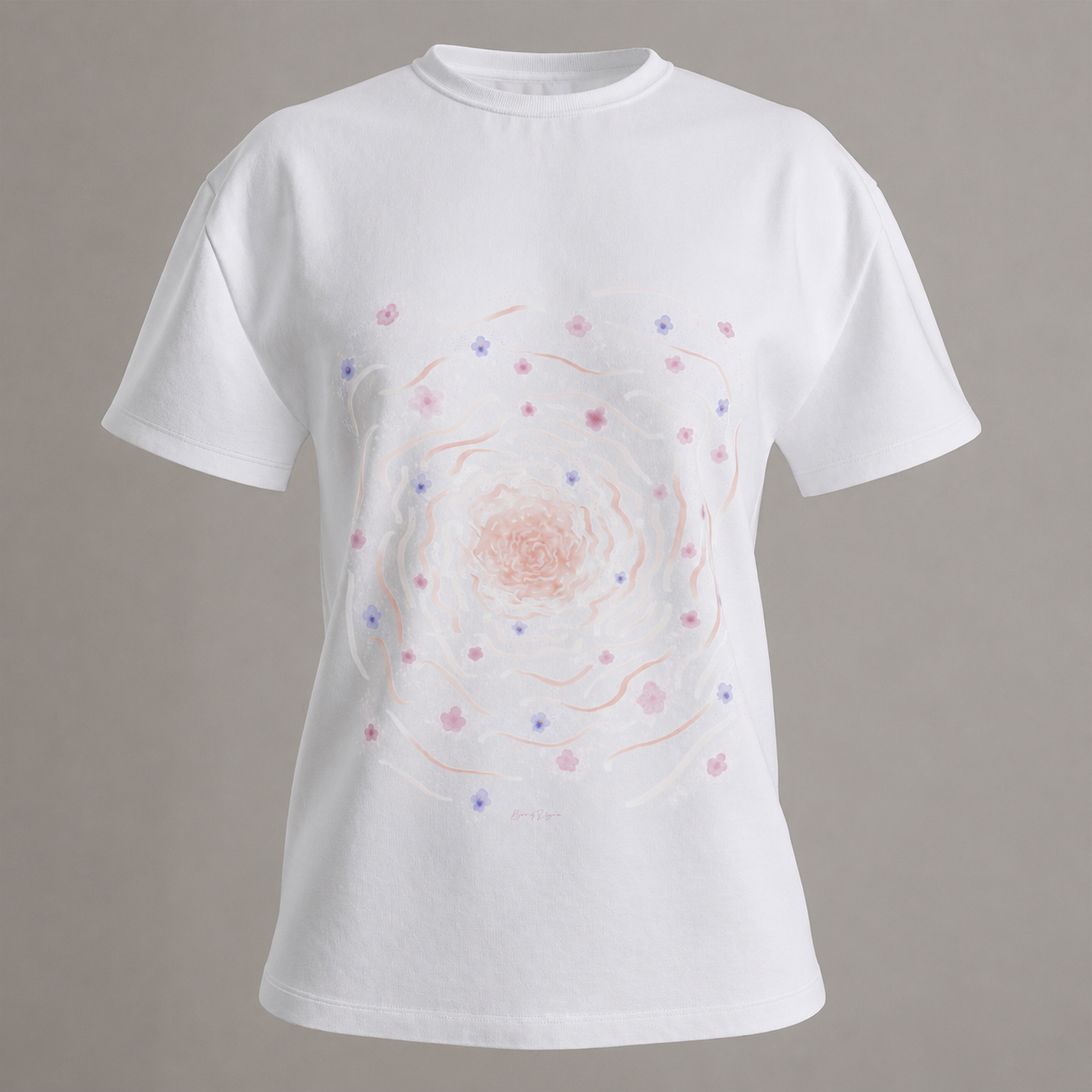
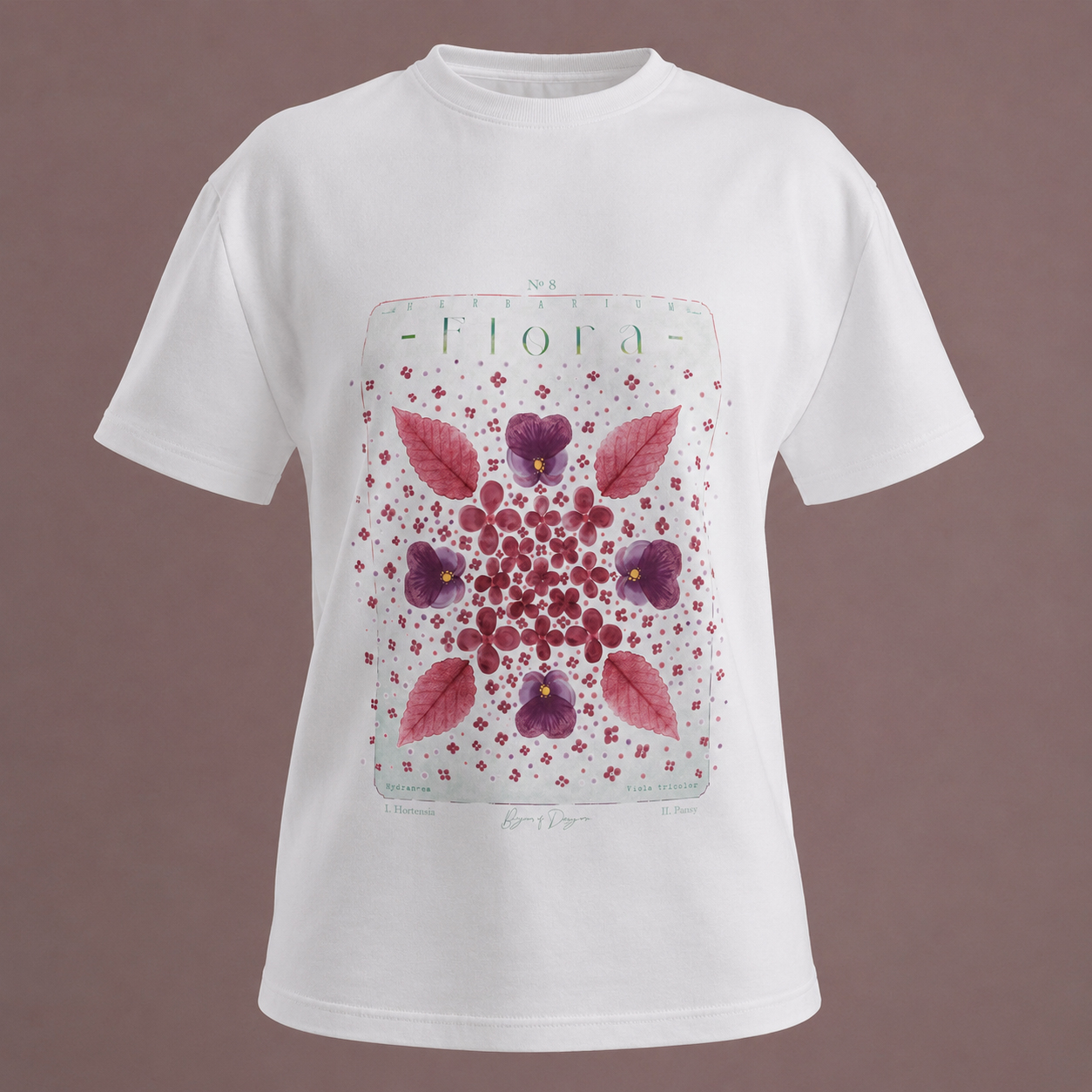
ON DEMAND production
WORKS LIKE THIS:

Purchase
Our customers buy the products they desire.

The factory receives the orders, prints & assembles the products.

Delivery
The orders are shipped and delivered to our customers.

SECURE PURCHASE

MULTICURRENCY PAYMENTS

FREE SHIPPING

WORLDWIDE DELIVERY

QUALITY MANUFACTURING
From Us To You
Every product you buy accumulates special ⭐ that can be used to acquire items from a special hidden collection for free.
Sustainable Workflow
Instead of focusing on "eco" materials, we are producing only the items that are actually selling, reducing the overall impact on the environment.
Upcycling System
If you stop wearing an item purchased from us, just send it over and get a ⭐ in return! We will resell it in our pre-loved shop or we will recycle it.