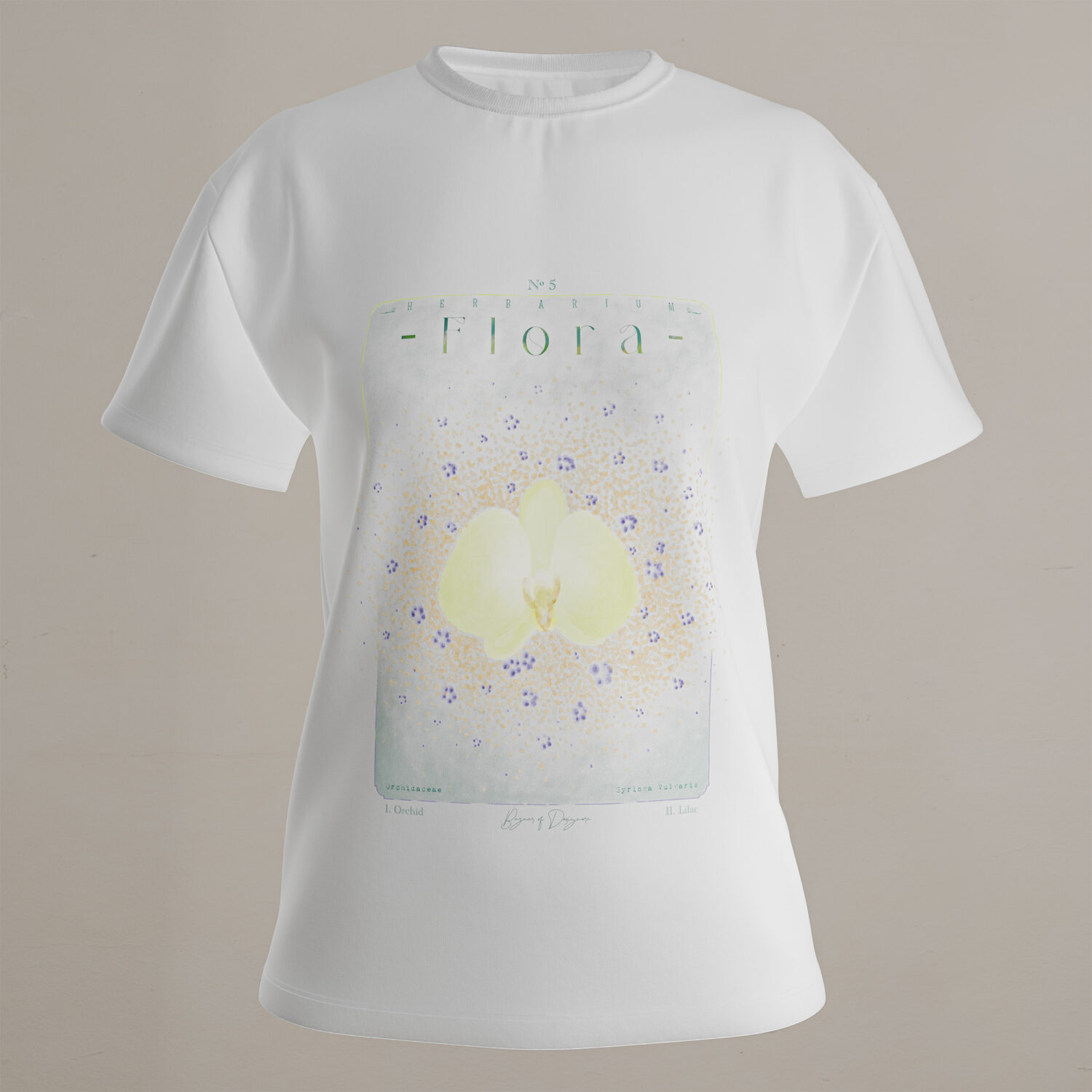
The Orchid (Orchidaceae) represents one of the oldest and most diverse plant families on Earth, with a history that predates the extinction of the dinosaurs.Its name is derived from the Greek orkhis (testicle), a reference to the twin tuberous roots of many European species.This anatomical resemblance led the ancient Greeks to believe that orchids were potent symbols of virility and fertility; it was common practice for parents to ingest the tubers to influence the gender of their unborn children. In the East, the orchid was viewed through a more philosophical lens. Confucius compared the orchid to the “superior man,” praising its ability to release a fragrance even when no one is around to appreciate it, thus making it an enduring symbol of integrity and refinement in Chinese culture.In the Americas, the Aztecs utilized the Vanilla orchid—the only orchid species grown for food—to flavor a royal chocolate elixir believed to grant strength to warriors.
The utility of the orchid has shifted from the mystical to the industrial over the millennia. In the Victorian era, Europe was gripped by “Orchidelirium,” a frantic and often dangerous obsession where wealthy collectors commissioned “orchid hunters” to scour tropical jungles for rare specimens.These expeditions were so competitive that hunters often sabotaged one another to protect their discoveries.Medicinally, various cultures have used orchids for centuries: Traditional Chinese Medicine employs species like Dendrobium to treat respiratory and kidney ailments, while in the Middle East, a traditional drink called Salep is still made from the powdered tubers of wild orchids. Today, while most of the 28,000+ species are primarily prized for their aesthetic role in the global floral trade, the orchid family remains a vital bio-indicator of environmental health. Whether as the source of the world’s most popular spice (vanilla) or as a symbol of luxury and rare beauty, the orchid remains a pinnacle of botanical complexity.