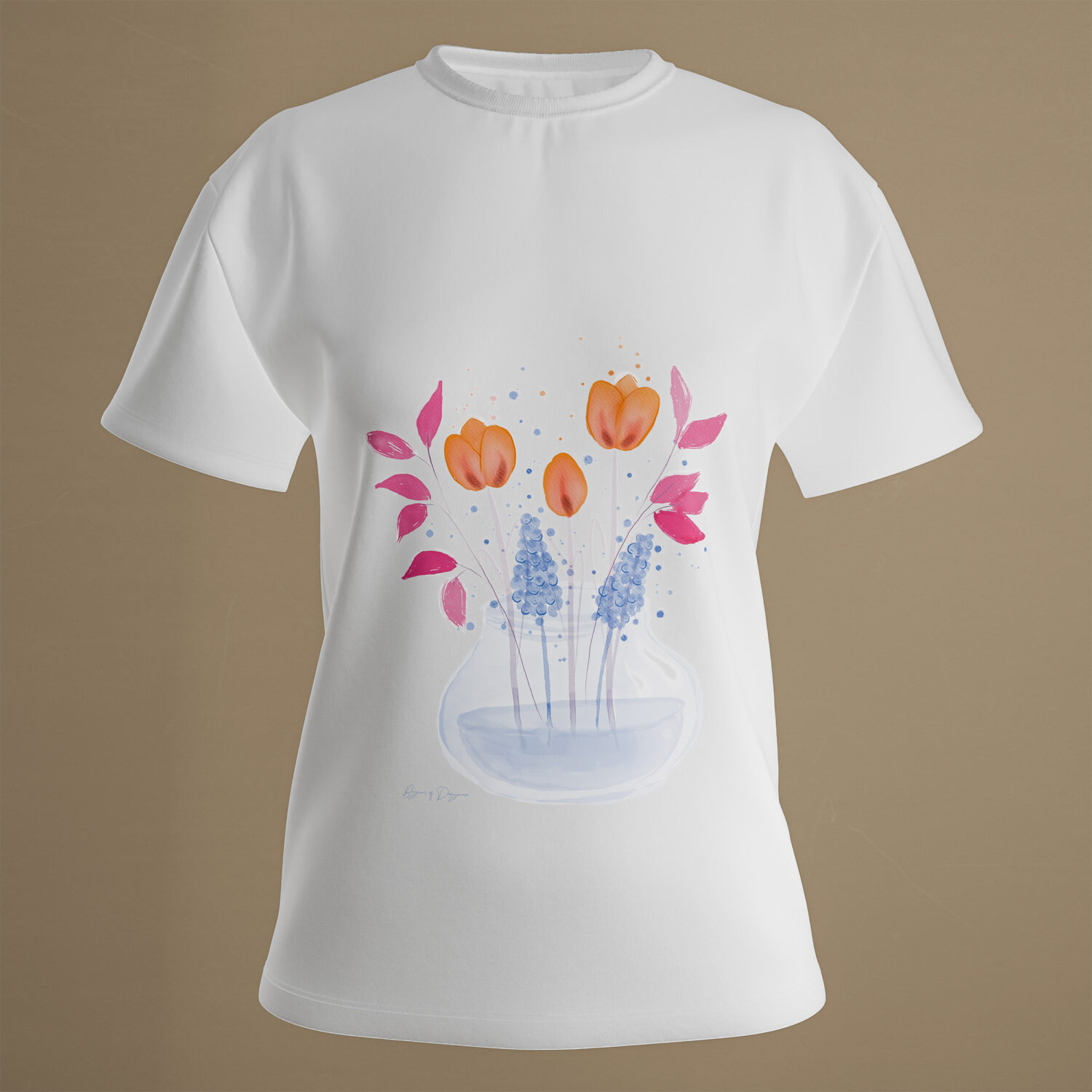
The Muscari, commonly known as the “Grape Hyacinth,” is a petite powerhouse of the spring garden with a history that spans from ancient burial sites to the royal gardens of Europe.Native to the Mediterranean and Central Asia, its name is derived from the Greek moschos (musk), a tribute to the delicate, sweet fragrance emitted by many species. Perhaps its most fascinating historical footnote comes from the Shanidar Cave in Iraq, where archaeologists discovered Muscari pollen at a Neanderthal burial site dating back 60,000 years, suggesting that these tiny blue bells may have been among the first flowers ever used in human ritual. In the 16th century, Muscari gained immense popularity in Europe after being brought back from the Ottoman Empire, eventually becoming a signature feature of the Dutch bulb trade during the “Tulip Mania” era.
In terms of utility, Muscari has a surprising range of applications beyond its role as a “living carpet.” In Mediterranean regions, particularly in Greece and Italy (where it is known as lampascioni), the bulbs of certain species like Muscari comosum are considered a gourmet delicacy.They are harvested, boiled, and pickled to remove their natural bitterness, resulting in a dish prized for its onion-like flavor and digestive benefits.Historically, the plant was also used in folk medicine as a diuretic and stimulant. Today, its primary value is ecological and aesthetic; as one of the earliest bloomers, it provides a crucial “first meal” for honeybees emerging from winter hibernation. Symbolically, the Muscari represents confidence, power, and mystery, and it remains a favorite for “naturalizing” in lawns and woodland gardens, where it multiplies effortlessly to create rivers of deep cerulean blue.