
Geranium
PelargoniumThe Stork’s Bill: Geranium
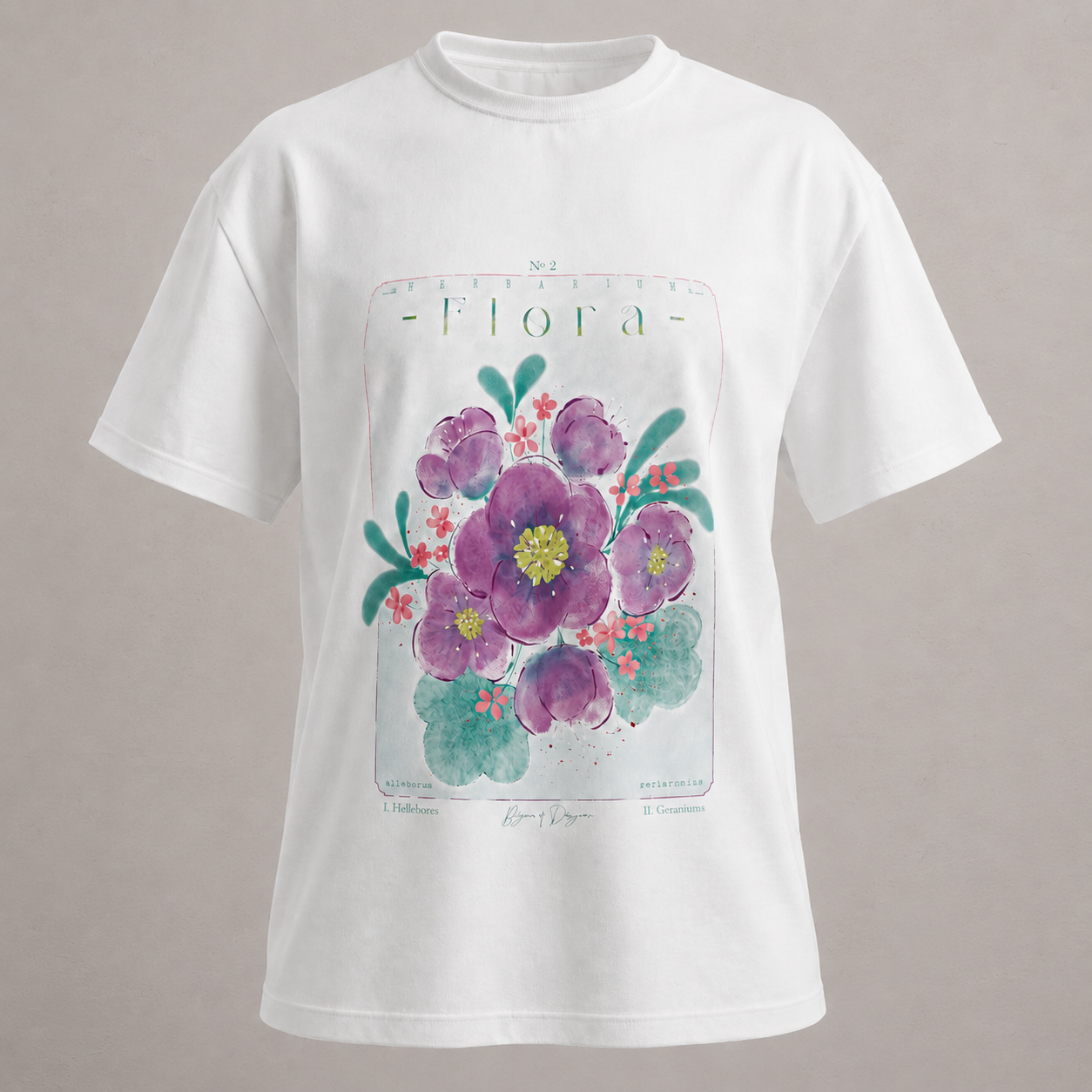
The Geranium carries a history marked by high-society obsession and a fascinating case of botanical "mistaken identity." While we commonly call the bright, cluster-flowered plants in window boxes "geraniums," most are actually members of the Pelargonium genus, native to South Africa. They were first brought to Europe in the 17th century by botanist Paul Hermann, who discovered them at the foot of Table Mountain. In the late 1700s, Thomas Jefferson famously fell in love with them while in France and shipped several pots back to America, cementing their place in the gardens of the New World. The name itself comes from the Greek geranos (crane), referring to the plant's long, beak-like seed pods—a trait shared by the "True Geraniums" (Cranesbills) of the Northern Hemisphere, which led early botanists to group them together before they were officially separated into two genera in 1789.
In terms of utility, the Geranium is far more than just a decorative bedding plant; it is a titan of the fragrance and wellness industries. Scented-leaf varieties, such as the Rose Geranium (P. graveolens), are cultivated on a massive scale for their essential oil, which is a staple in high-end perfumery and aromatherapy. Traditionally, ancient Egyptians used the oil to promote radiant skin, and in Victorian England, the fresh leaves were placed in finger bowls at formal dinners to refresh guests' hands. Medicinally, various species have been used in folk traditions to treat respiratory infections, anxiety, and inflammation. Today, the Geranium remains a symbol of friendship, health, and domestic harmony, frequently gifted as a housewarming plant to ward off "negative energy" and bring color to the home.
ON DEMAND production
WORKS LIKE THIS:

Purchase
Our customers buy the products they desire.

The factory receives the orders, prints & assembles the products.

Delivery
The orders are shipped and delivered to our customers.

SECURE PURCHASE

MULTICURRENCY PAYMENTS

FREE SHIPPING

WORLDWIDE DELIVERY

QUALITY MANUFACTURING
From Us To You
Every product you buy accumulates special ⭐ that can be used to acquire items from a special hidden collection for free.
Sustainable Workflow
Instead of focusing on "eco" materials, we are producing only the items that are actually selling, reducing the overall impact on the environment.
Upcycling System
If you stop wearing an item purchased from us, just send it over and get a ⭐ in return! We will resell it in our pre-loved shop or we will recycle it.