
Impatiens
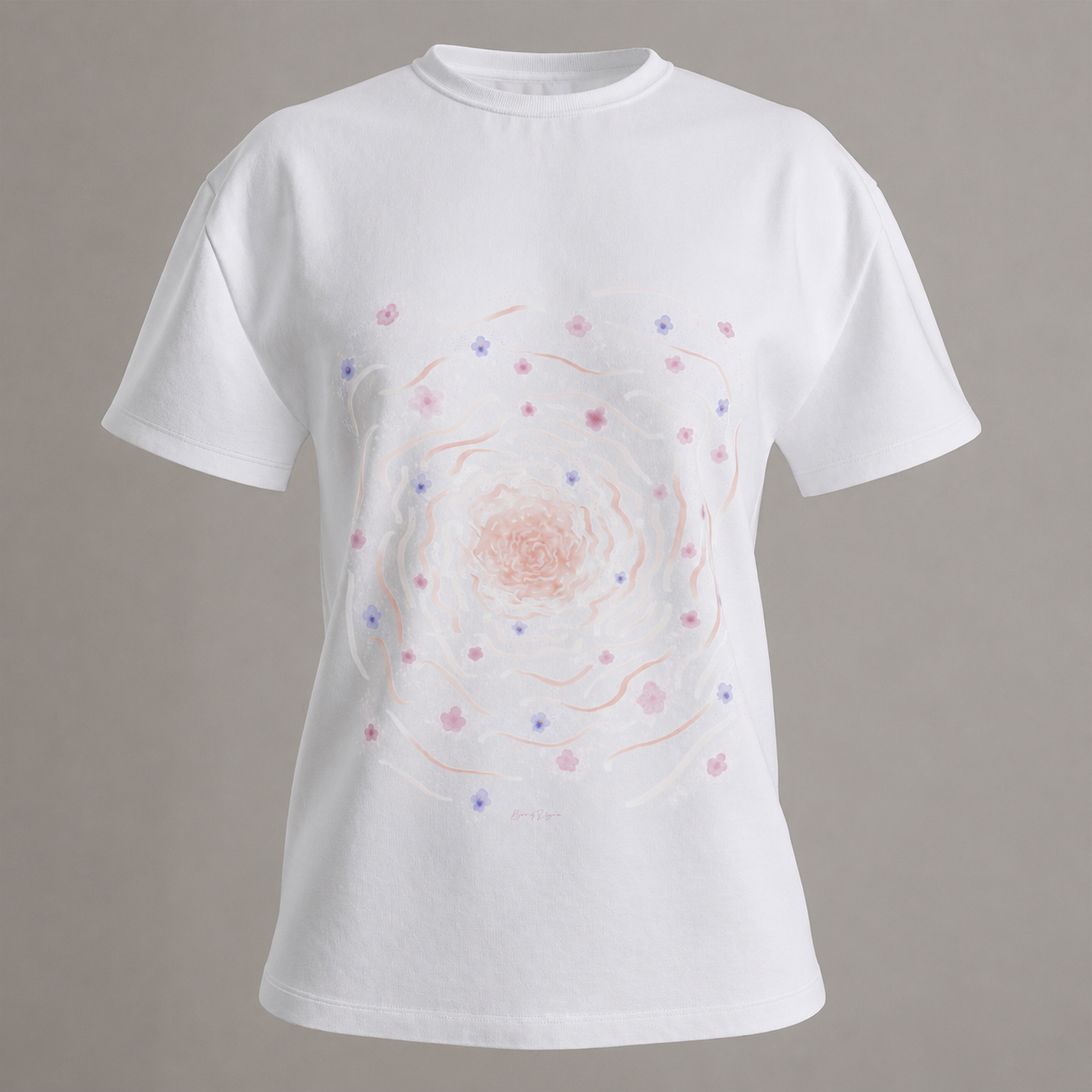
Impatiens wallerianaThe Impatient Beauty: Impatiens
The Impatiens, aptly nicknamed "Touch-Me-Not," carries a name that perfectly describes its most famous trait: the "impatient" way its ripe seed pods explode at the slightest touch, launching seeds several feet away. This genus has two distinct historical paths. In North America, the native Jewelweed (Impatiens capensis) was a vital "apothecary plant" for Indigenous tribes like the Cherokee and Iroquois, who discovered that the succulent juice from its stems acted as a natural antidote to the rash caused by poison ivy. Meanwhile, the garden variety we know today, Busy Lizzie (Impatiens walleriana), was discovered in the tropical jungles of East Africa by British explorers in the 19th century. Originally named Impatiens sultani in honor of the Sultan of Zanzibar, it later became the most popular bedding plant in the world during the late 20th century, largely due to the breeding efforts of Claude Hope, who transformed the wild, lanky plant into the compact, shade-loving floral carpet we recognize today.
In terms of utility, the Impatiens is much more than a colorful filler for shaded gardens; it is a plant of significant medicinal and cultural value. In Traditional Chinese Medicine, the Impatiens balsamina (Garden Balsam) has been used for centuries to treat rheumatism and skin infections, and its petals were famously crushed with alum to create a vibrant orange dye for fingernails—a precursor to modern nail polish. Modern pharmacological research has isolated compounds from the plant, such as lawsone, which possess potent antifungal and anti-inflammatory properties. Symbolically, the Impatiens has come to represent motherly love and resilience, a nod to its ability to thrive and bloom persistently even in the deep shade where other flowers falter. Today, it remains a cornerstone of urban landscaping, prized for its "self-cleaning" nature and its ability to provide a continuous splash of neon color from spring until the first frost.
ON DEMAND production
WORKS LIKE THIS:

Purchase
Our customers buy the products they desire.

The factory receives the orders, prints & assembles the products.

Delivery
The orders are shipped and delivered to our customers.

SECURE PURCHASE

MULTICURRENCY PAYMENTS

FREE SHIPPING

WORLDWIDE DELIVERY

QUALITY MANUFACTURING
From Us To You
Every product you buy accumulates special ⭐ that can be used to acquire items from a special hidden collection for free.
Sustainable Workflow
Instead of focusing on "eco" materials, we are producing only the items that are actually selling, reducing the overall impact on the environment.
Upcycling System
If you stop wearing an item purchased from us, just send it over and get a ⭐ in return! We will resell it in our pre-loved shop or we will recycle it.