
Tulip
TulipaThe Sultan’s Jewel: Tulip
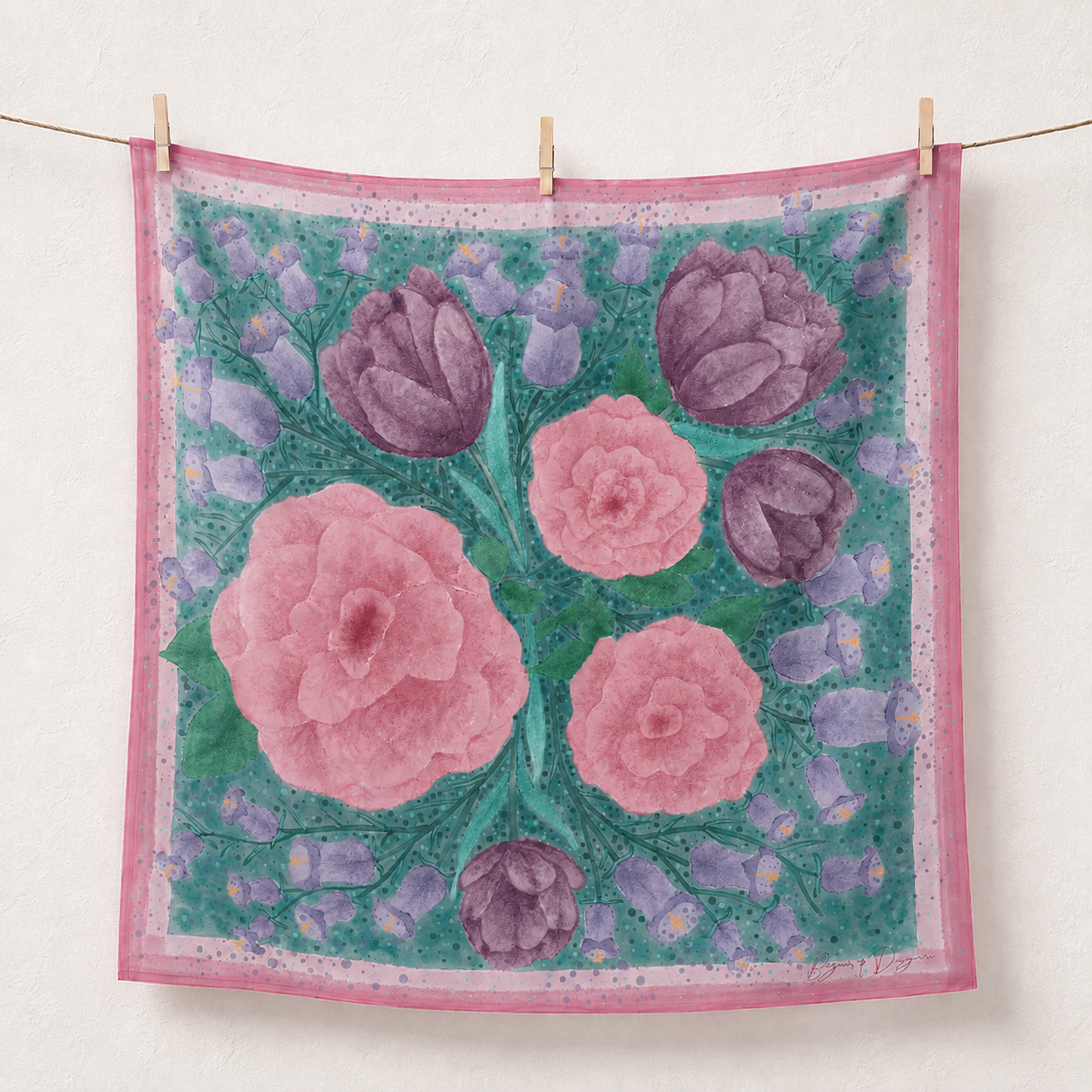
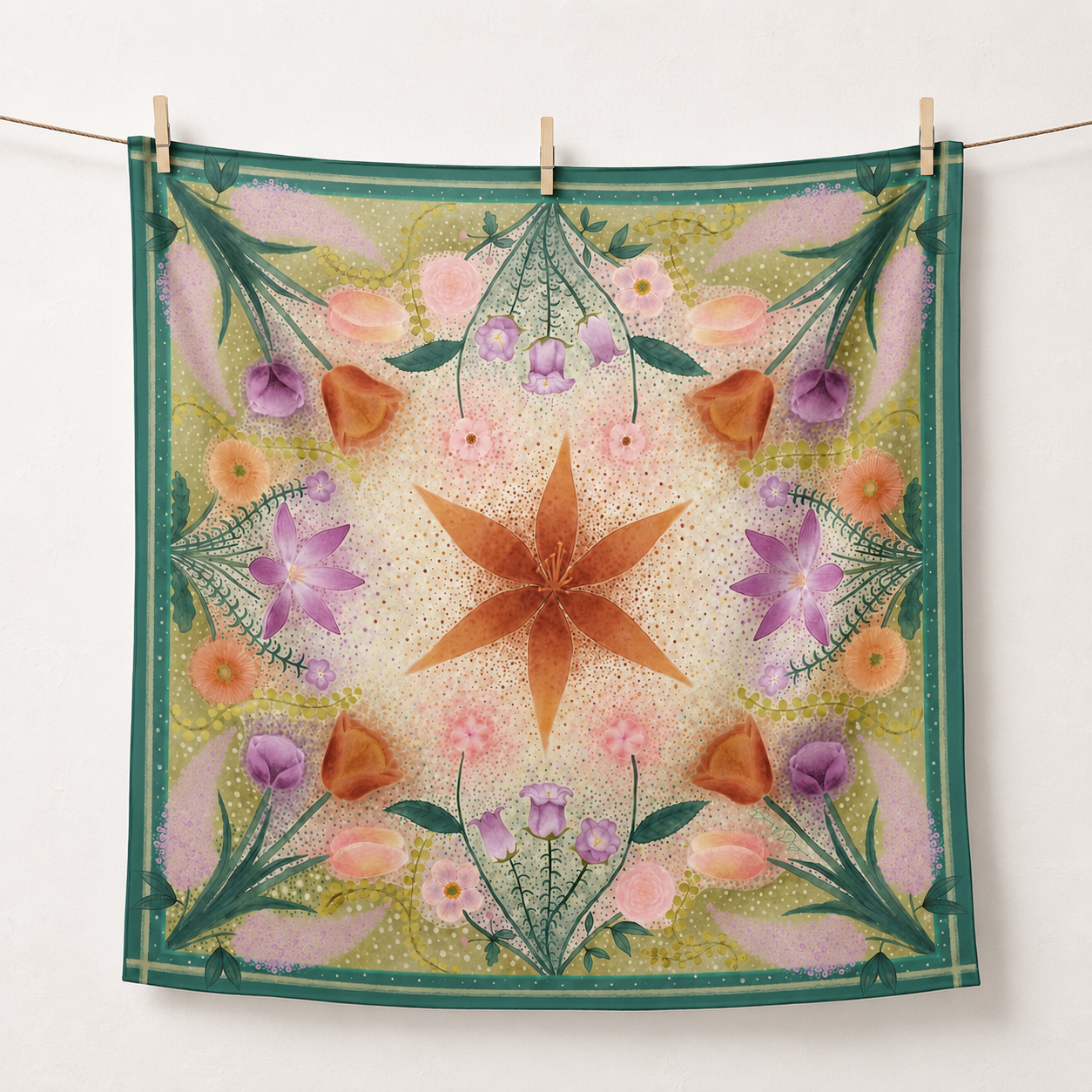
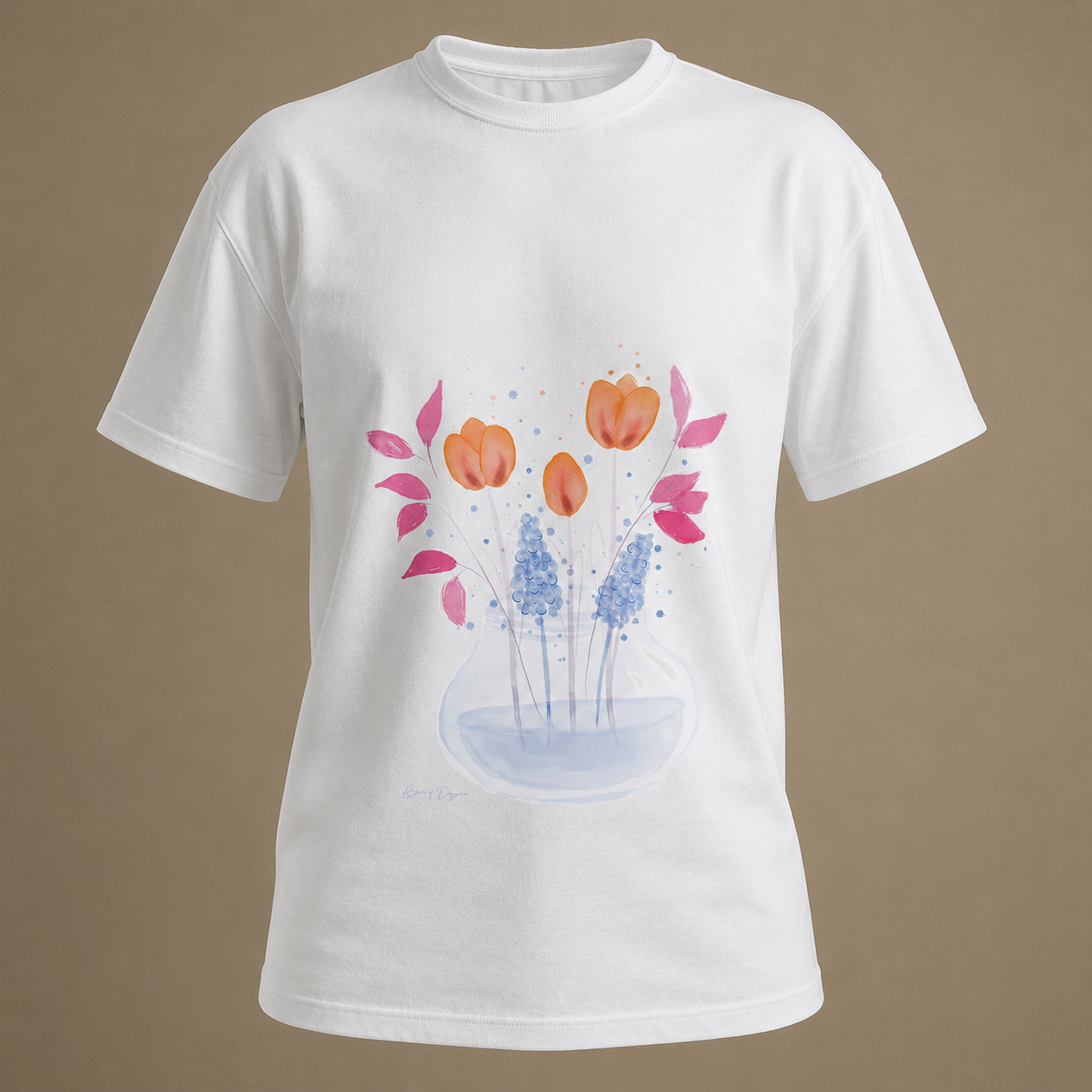
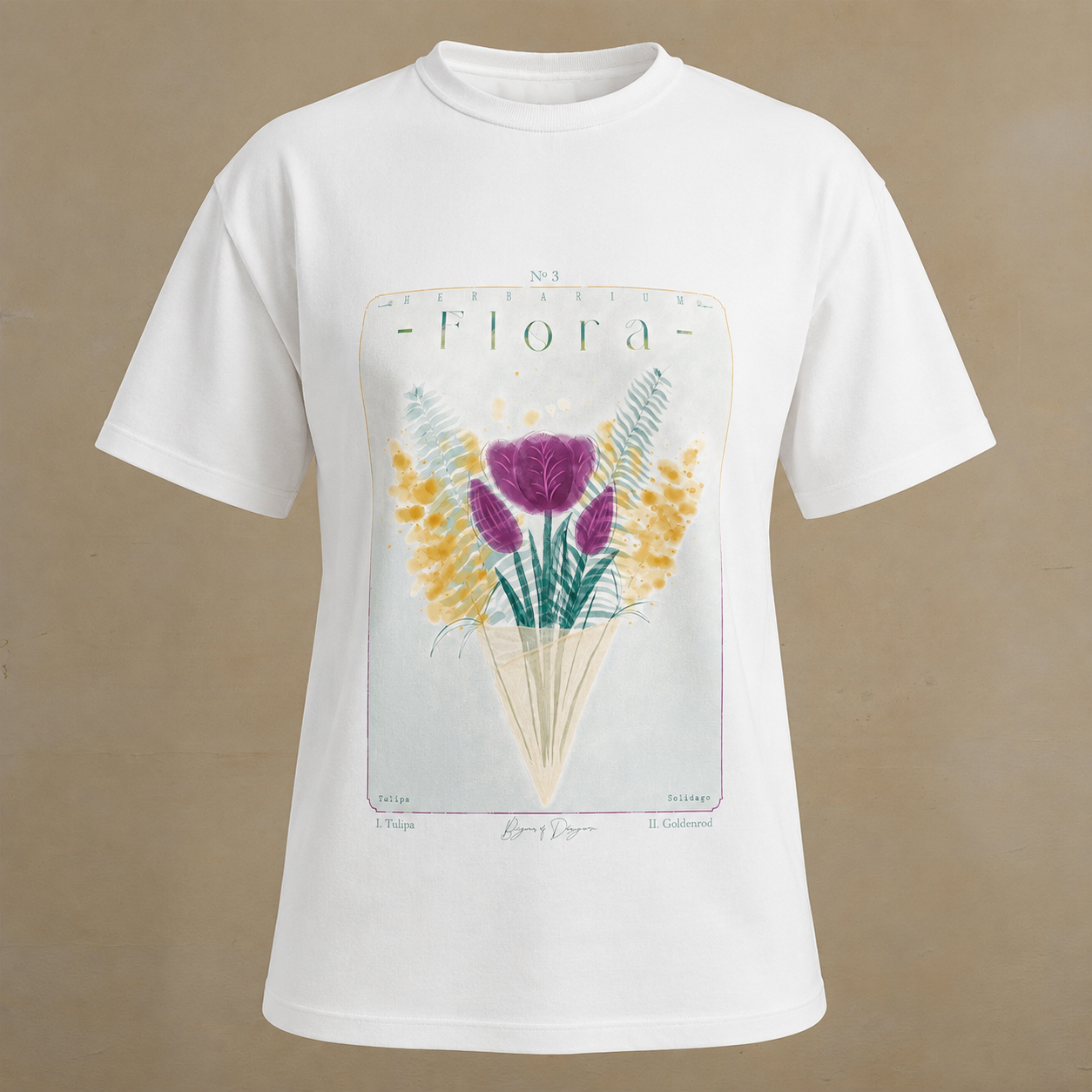
The Tulip (Tulipa) is a plant whose history is defined by extreme fortune and economic collapse. Native to the rugged mountains of Central Asia, tulips were first brought into cultivation by the Ottoman Empire, where they became a symbol of the Sultans and the divine. The name "tulip" is actually a corruption of the Persian word dulband, meaning "turban," a reference to the flower's shape. In the late 16th century, the biologist Carolus Clusius introduced them to the Netherlands, sparking an era known as "Tulip Mania" in the 1630s. At the height of this frenzy, a single bulb of a rare variety could cost more than a canal house in Amsterdam. This was the world's first major speculative bubble; when it inevitably burst, it left many investors ruined but cemented the tulip as the national icon of the Netherlands and a symbol of perfect love and abundance.
The utility of the tulip has evolved from a status symbol to a global agricultural powerhouse. While primarily grown for their stunning visual appeal, tulips played a desperate role in human survival during the "Hunger Winter" of World War II. When food supplies were cut off in the Nazi-occupied Netherlands, Dutch citizens discovered that certain tulip bulbs—if prepared correctly by removing the poisonous germ—could be ground into a starchy flour to make bread. Today, the tulip is a cornerstone of the multibillion-dollar global cut-flower industry. Beyond the vase, tulips are used in "therapeutic horticulture" because of their predictable spring arrival, which provides a sense of hope and renewal. Scientifically, they are fascinating subjects for study due to "tulip breaking," a phenomenon once thought to be a miracle of breeding but now known to be caused by a virus that creates the beautiful, feathered streaks on the petals.
ON DEMAND production
WORKS LIKE THIS:

Purchase
Our customers buy the products they desire.

The factory receives the orders, prints & assembles the products.

Delivery
The orders are shipped and delivered to our customers.

SECURE PURCHASE

MULTICURRENCY PAYMENTS

FREE SHIPPING

WORLDWIDE DELIVERY

QUALITY MANUFACTURING
From Us To You
Every product you buy accumulates special ⭐ that can be used to acquire items from a special hidden collection for free.
Sustainable Workflow
Instead of focusing on "eco" materials, we are producing only the items that are actually selling, reducing the overall impact on the environment.
Upcycling System
If you stop wearing an item purchased from us, just send it over and get a ⭐ in return! We will resell it in our pre-loved shop or we will recycle it.