
Phlox
Phlox paniculataThe Flame of the Prairie: Phlox
The Phlox is a quintessentially American contribution to the world of horticulture, with a name derived from the Greek word for "flame." This refers to the brilliant, fiery colors of the wild species that early explorers found illuminating the meadows and woodlands of North America. While indigenous tribes like the Mahuna and Meskwaki used various species of phlox for medicinal purposes—brewing leaf teas to treat eczema or using the roots as a wash for sore eyes—the plant’s "global" history began in the 1700s. It was then that plant hunters like John Bartram sent seeds to Europe, where the plant became an overnight sensation. The tall Garden Phlox (Phlox paniculata) became a mainstay of the classic English Cottage garden, while the low-growing Creeping Phlox (Phlox subulata) was adopted for rockeries. By the Victorian era, phlox had become a symbol of "unanimity" and "sweet dreams," frequently tucked into bouquets to represent the merging of souls or shared intentions.
In modern usage, the utility of Phlox is defined by its role as an "ecological bridge" and a seasonal powerhouse. Because it is a native North American genus, it is a vital nectar source for a wide array of pollinators, particularly long-tongued butterflies and hummingbirds, who are among the few creatures capable of reaching the nectar hidden at the base of the flower's long, slender tube. Beyond the garden, phlox is a favorite of the floral industry due to its sturdy stems and "clove-like" fragrance, which can fill a room without being overpowering. In the landscape, it serves two distinct architectural purposes: the creeping varieties act as a "living carpet" to prevent soil erosion on slopes, while the tall varieties provide a vertical backdrop that blooms when many other summer perennials begin to fade. Today, Phlox stands as a symbol of harmony and partnership, a resilient survivor that brings a "burst of flame" to the garden year after year.
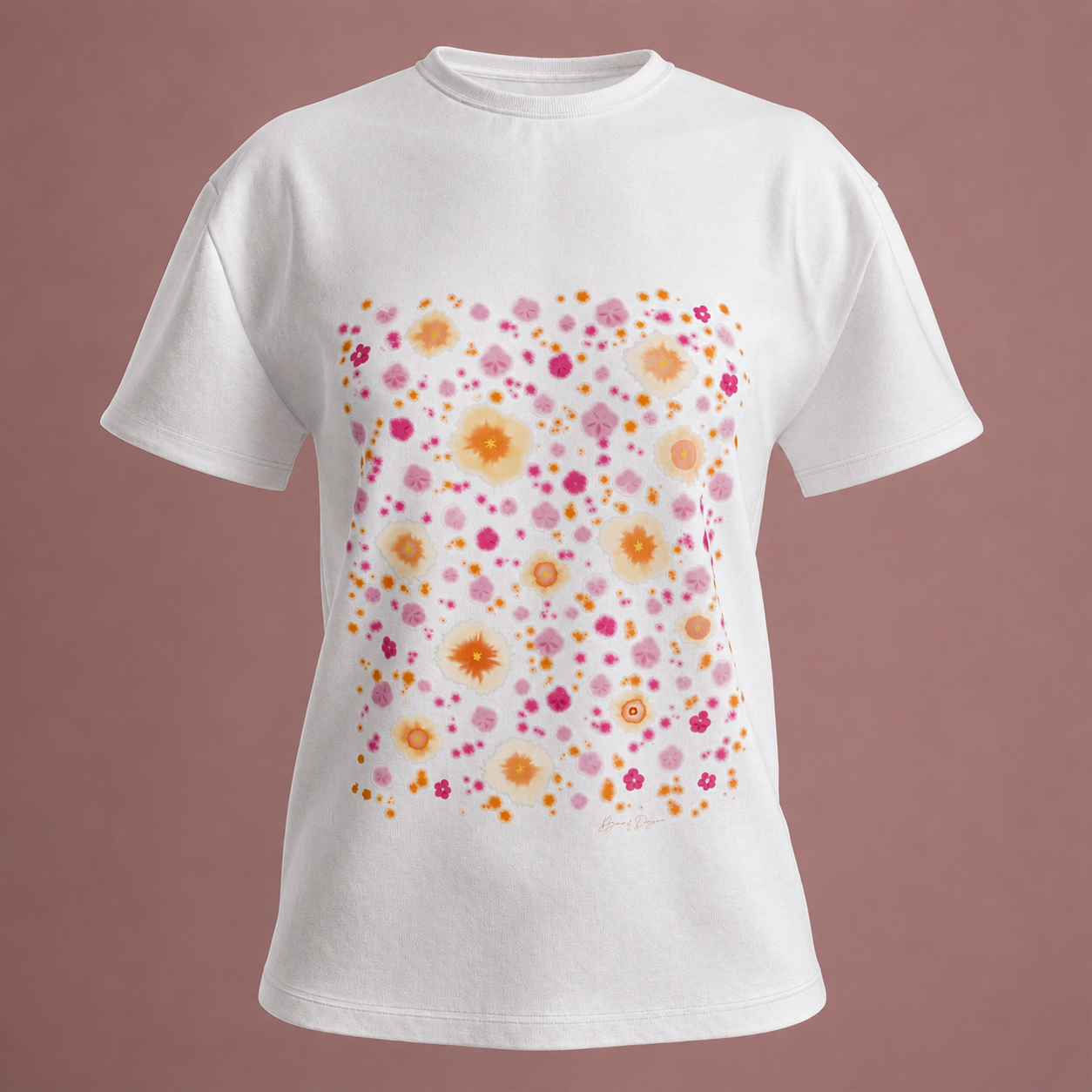
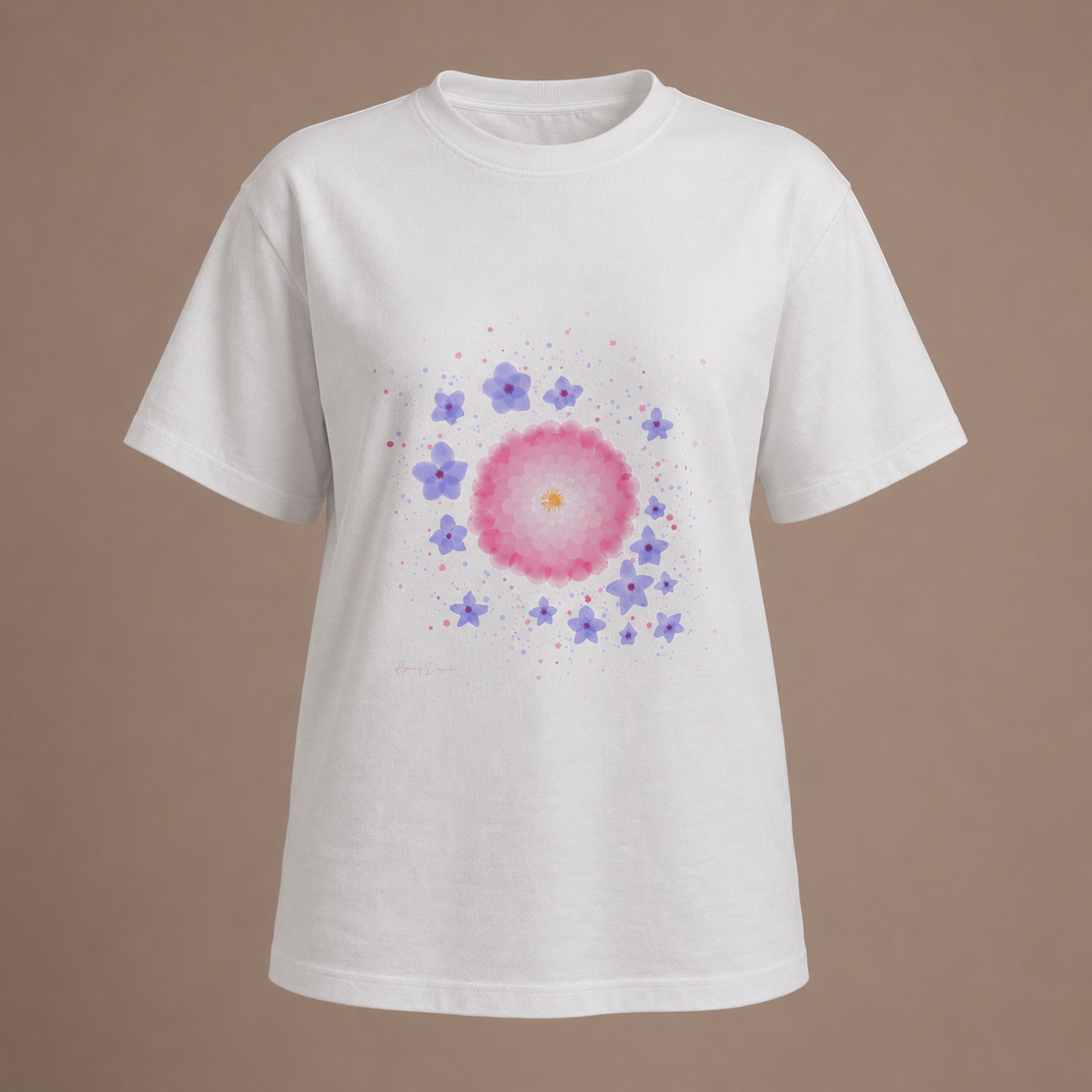
ON DEMAND production
WORKS LIKE THIS:

Purchase
Our customers buy the products they desire.

The factory receives the orders, prints & assembles the products.

Delivery
The orders are shipped and delivered to our customers.

SECURE PURCHASE

MULTICURRENCY PAYMENTS

FREE SHIPPING

WORLDWIDE DELIVERY

QUALITY MANUFACTURING
From Us To You
Every product you buy accumulates special ⭐ that can be used to acquire items from a special hidden collection for free.
Sustainable Workflow
Instead of focusing on "eco" materials, we are producing only the items that are actually selling, reducing the overall impact on the environment.
Upcycling System
If you stop wearing an item purchased from us, just send it over and get a ⭐ in return! We will resell it in our pre-loved shop or we will recycle it.