
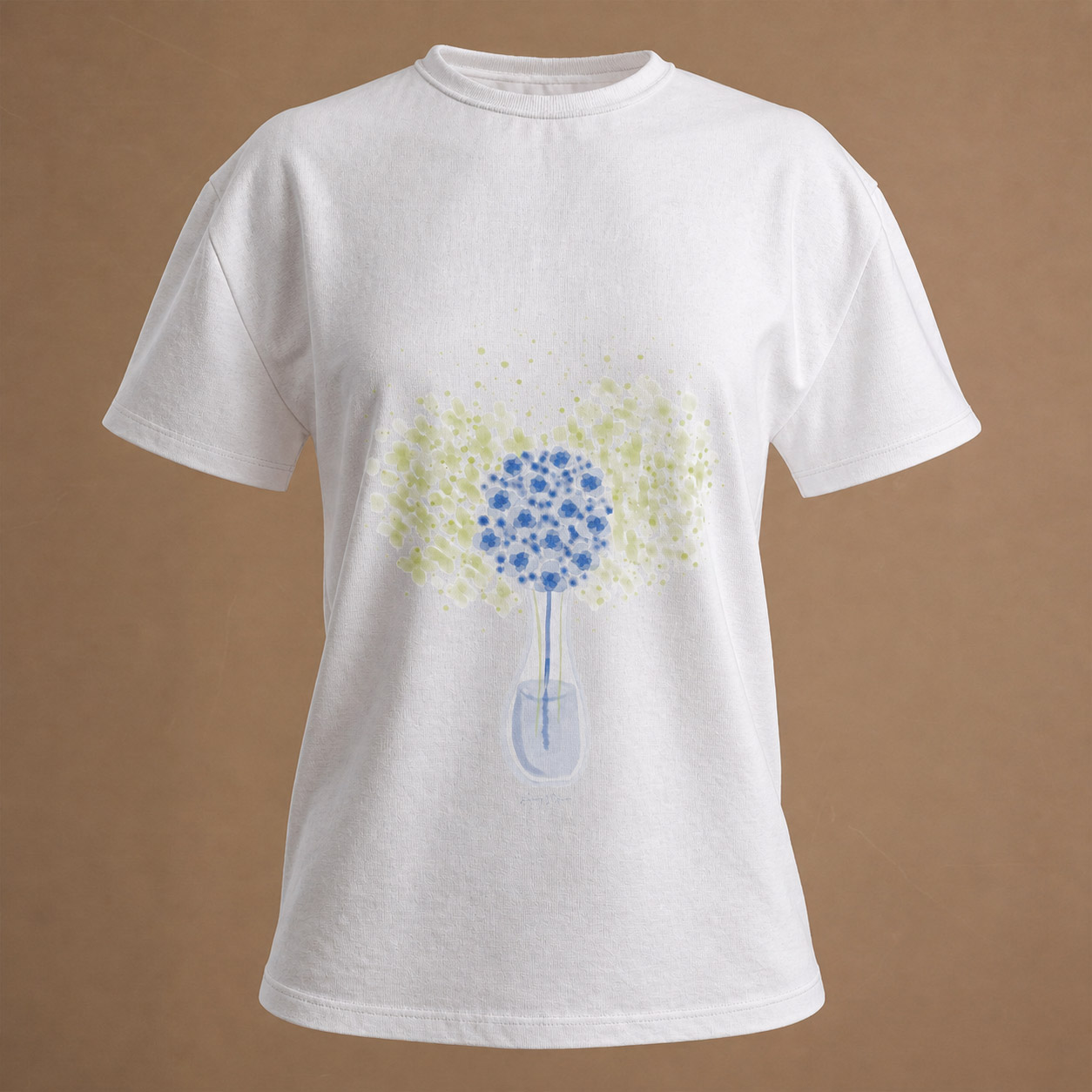
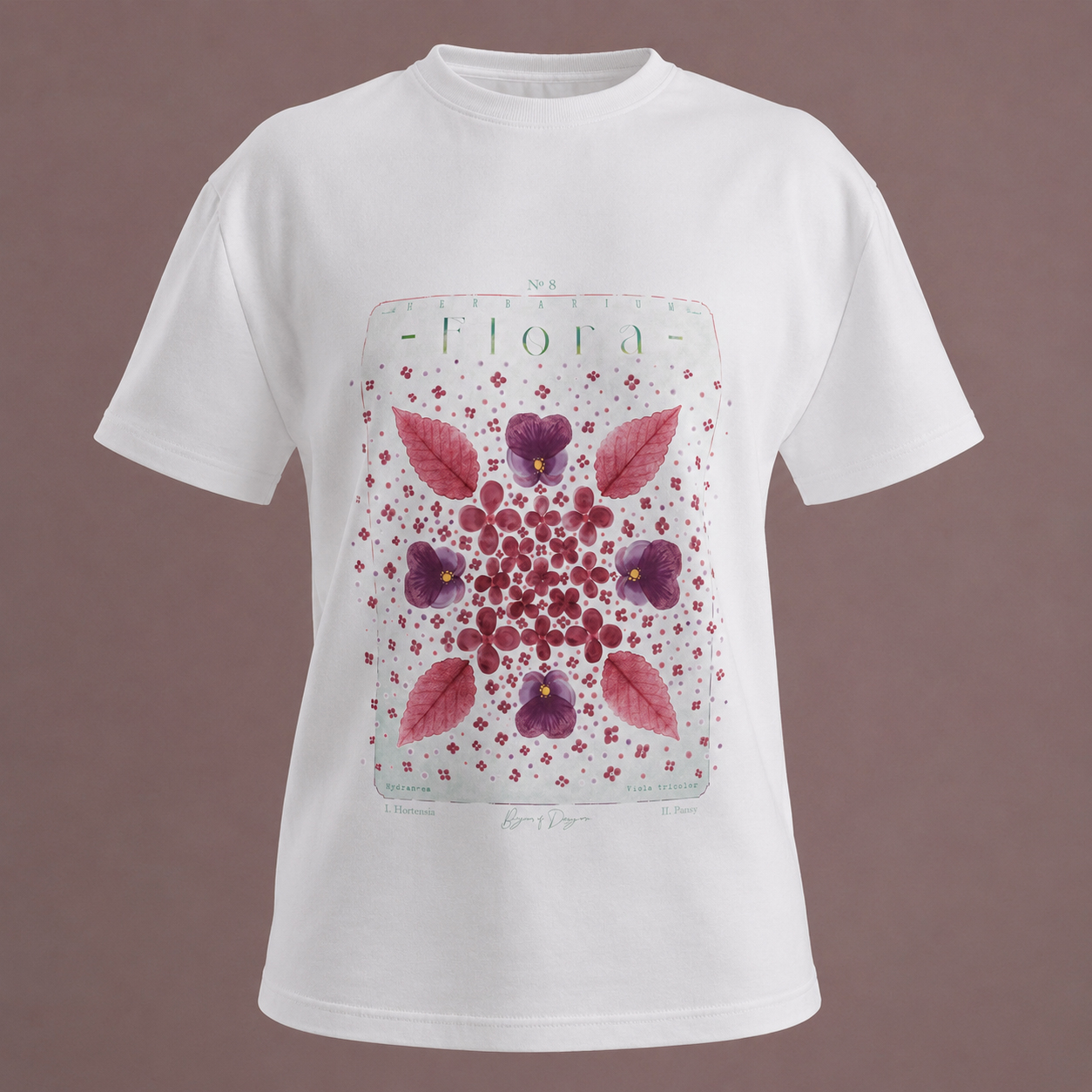
Hydrangea
Hydrangea macrophyllaThe Water Vessel: Hydrangea
The Hydrangea is a botanical masterpiece whose name reveals its deepest nature; derived from the Greek hydor (water) and angos (jar or vessel), it refers to the plant’s cup-like seed capsules and its legendary thirst. Native to both East Asia and the Americas, the hydrangea has been cultivated in Japanese gardens for over a thousand years, where it was traditionally associated with heartfelt emotion and apology—legend tells of a Japanese emperor who gifted hydrangeas to the family of a girl he loved to show how much he cared for her despite neglecting her for business. It wasn't until the late 18th century that the "Bigleaf" varieties (H. macrophylla) reached Europe via French and English explorers, quickly becoming a staple of aristocratic estate gardens due to their dramatic, color-changing blooms.
Beyond its aesthetic appeal, the hydrangea has practical and scientific significance. In the Appalachian Mountains and parts of Asia, the roots of Hydrangea arborescens (Smooth Hydrangea) were historically used by Indigenous peoples and early settlers as a treatment for kidney stones and urinary tract infections, earning it the nickname "Seven Bark" for the way its bark peels in layers. More fascinating to modern gardeners is the plant's role as a natural pH indicator; the soil’s acidity determines the flower color by affecting the availability of aluminum ions, turning blooms blue in acidic soil and pink in alkaline soil. Today, the hydrangea remains a global symbol of abundance and grace, serving as a centerpiece for floral arrangements and a "living laboratory" for soil chemistry in home gardens.
ON DEMAND production
WORKS LIKE THIS:

Purchase
Our customers buy the products they desire.

The factory receives the orders, prints & assembles the products.

Delivery
The orders are shipped and delivered to our customers.

SECURE PURCHASE

MULTICURRENCY PAYMENTS

FREE SHIPPING

WORLDWIDE DELIVERY

QUALITY MANUFACTURING
From Us To You
Every product you buy accumulates special ⭐ that can be used to acquire items from a special hidden collection for free.
Sustainable Workflow
Instead of focusing on "eco" materials, we are producing only the items that are actually selling, reducing the overall impact on the environment.
Upcycling System
If you stop wearing an item purchased from us, just send it over and get a ⭐ in return! We will resell it in our pre-loved shop or we will recycle it.