
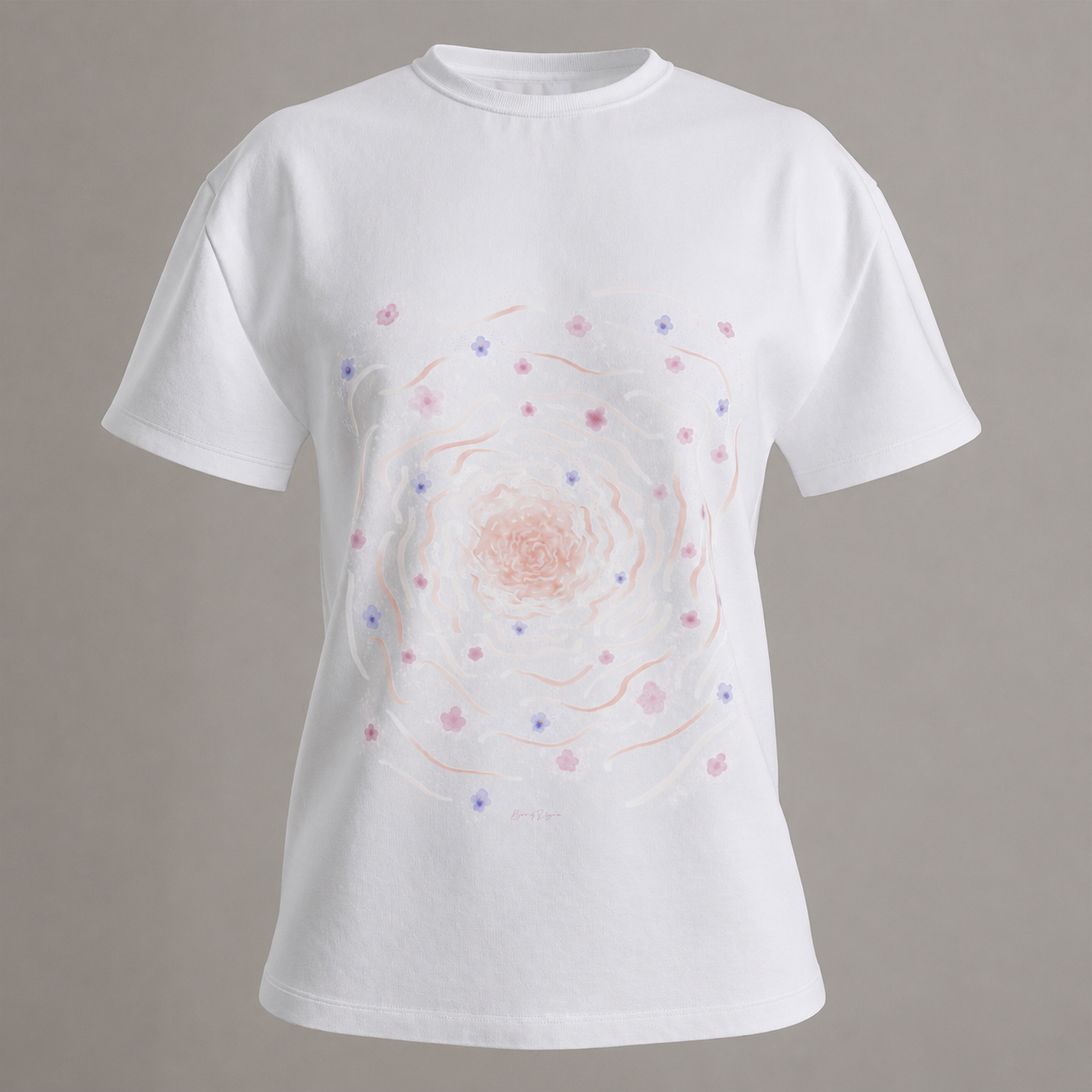
Carnation
Dianthus caryophyllusThe Divine Clove: Carnation
The Carnation (Dianthus caryophyllus) carries a history that spans over 2,000 years, with a name that reflects its ancient prestige. Derived from the Greek words dios (divine) and anthos (flower), it is literally the "Flower of the Gods." In Ancient Greece and Rome, carnations were woven into ceremonial crowns and garlands, while Christian legend suggests the first carnations bloomed from the tears of the Virgin Mary, cementing the flower as a symbol of a mother’s undying love. Its spicy, clove-like fragrance made it a favorite in the Middle Ages for flavoring wine and ale—earning it the nickname "Sops-in-wine"—and it eventually became a political icon, representing the labor movement on May Day and becoming the official flower of Mother’s Day in the early 20th century.
Beyond its deep symbolism, the Carnation has been utilized for centuries in both the apothecary and the kitchen. Historically, it was used in herbal tonics to treat fevers and digestive upset, and its essential oil remains a cornerstone in high-end perfumery for its warm, peppery base notes. Unlike many ornamental flowers, the petals of the carnation are edible; they are often used today as a decorative garnish for salads or crystallized in sugar for confections. With its incredible vase life and a color palette that ranges from pale moonlight to deep "mordoré" (golden-brown), the Carnation remains one of the world’s most versatile and enduring floral staples.
ON DEMAND production
WORKS LIKE THIS:

Purchase
Our customers buy the products they desire.

The factory receives the orders, prints & assembles the products.

Delivery
The orders are shipped and delivered to our customers.

SECURE PURCHASE

MULTICURRENCY PAYMENTS

FREE SHIPPING

WORLDWIDE DELIVERY

QUALITY MANUFACTURING
From Us To You
Every product you buy accumulates special ⭐ that can be used to acquire items from a special hidden collection for free.
Sustainable Workflow
Instead of focusing on "eco" materials, we are producing only the items that are actually selling, reducing the overall impact on the environment.
Upcycling System
If you stop wearing an item purchased from us, just send it over and get a ⭐ in return! We will resell it in our pre-loved shop or we will recycle it.