
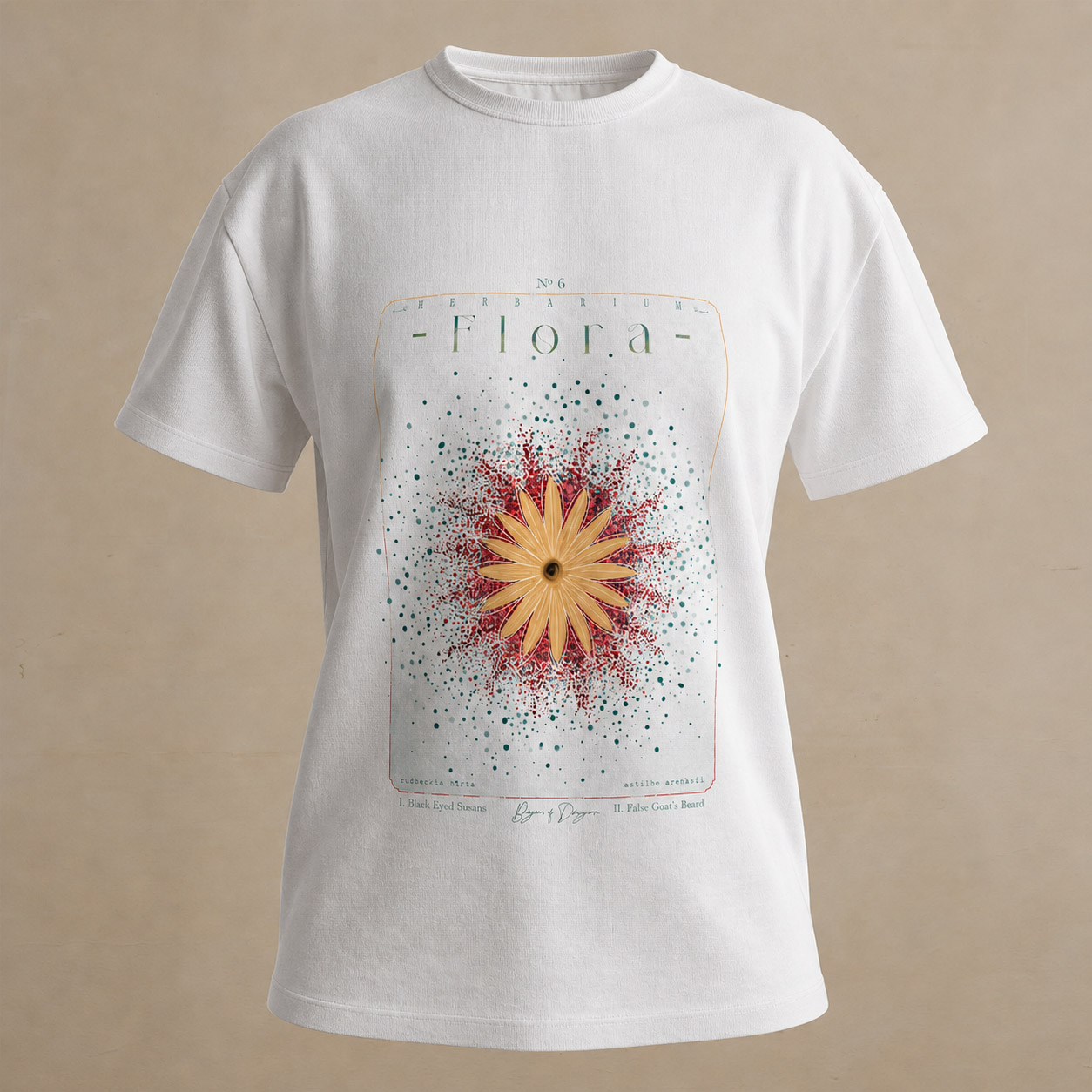
Black-Eyed Susan
Rudbeckia hirtaThe Golden Pioneer: Black-Eyed Susan
Black-Eyed Susan (Rudbeckia hirta) is a resilient North American wildflower with a history rooted in both Indigenous tradition and romantic folklore. Its name is believed to have been inspired by an 18th-century English ballad by John Gay, "Sweet William's Farewell to Black-ey'd Susan," which told the story of a woman searching for her lover on a departing ship; as such, the flower is often planted alongside "Sweet William" (Dianthus) so the lovers can remain together. In North America, the plant was a vital resource for Indigenous tribes, including the Cherokee, Ojibwa, and Iroquois, who used its roots and leaves to treat everything from snake bites and skin sores to colds and earaches.
Beyond its medicinal past, the Black-Eyed Susan is a symbol of justice and encouragement, valued for its ability to thrive in poor soil and harsh conditions. Since 1918, it has served as the state flower of Maryland, where its iconic black-and-gold colors have become synonymous with local identity—most famously represented by the "floral blanket" draped over the winner of the Preakness Stakes. Today, its sturdy, "clay-busting" roots and long-lasting blooms make it a staple of prairie restorations and sustainable gardens, serving as a critical nectar source for bees and a host for the Silvery Checkerspot butterfly.
ON DEMAND production
WORKS LIKE THIS:

Purchase
Our customers buy the products they desire.

The factory receives the orders, prints & assembles the products.

Delivery
The orders are shipped and delivered to our customers.

SECURE PURCHASE

MULTICURRENCY PAYMENTS

FREE SHIPPING

WORLDWIDE DELIVERY

QUALITY MANUFACTURING
From Us To You
Every product you buy accumulates special ⭐ that can be used to acquire items from a special hidden collection for free.
Sustainable Workflow
Instead of focusing on "eco" materials, we are producing only the items that are actually selling, reducing the overall impact on the environment.
Upcycling System
If you stop wearing an item purchased from us, just send it over and get a ⭐ in return! We will resell it in our pre-loved shop or we will recycle it.