The Modest Muse: Violet
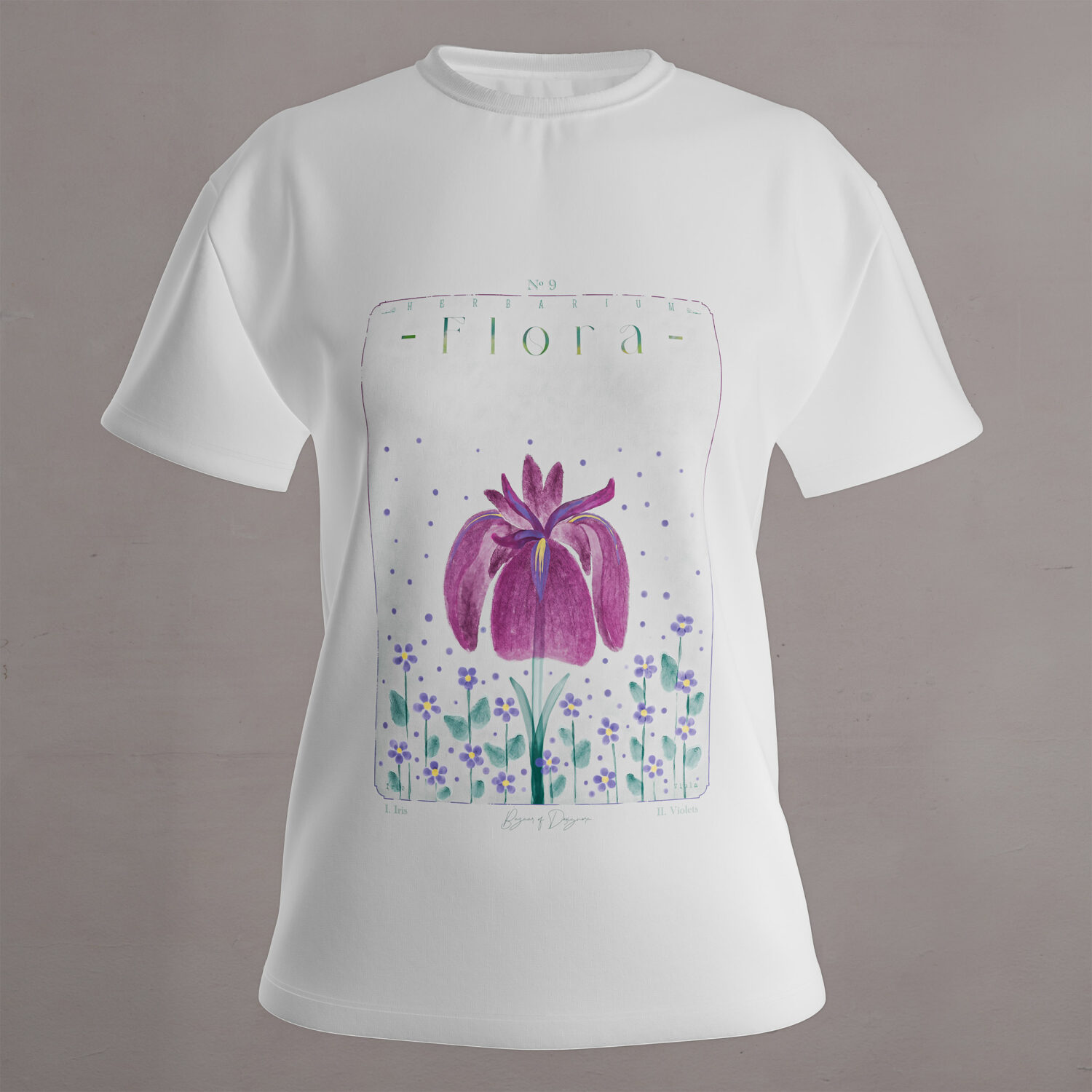
The Violet (Viola) is a flower of profound cultural weight, serving as a symbol of both humility and imperial power. In Ancient Greece, the violet was the official symbol of Athens, and it was so beloved by the Ionians that they claimed it was the first flower offered to the gods. Its history took a dramatic turn during the 19th century when it became the political emblem of Napoleon Bonaparte. Before his exile to Elba, he promised his supporters he would return “with the violets in the spring”; subsequently, his followers used the flower as a secret “password” to identify one another, and his wife, Josephine, was famously obsessed with the scent. In the Victorian era, the flower transitioned into the “Language of Flowers” as a symbol of modesty and faithfulness, leading to the popular phrase “shrinking violet.”
In terms of utility, the violet is a powerhouse in the culinary, cosmetic, and medicinal worlds. Unlike many ornamental flowers, violets are entirely edible and are packed with Vitamins A and C—historically, they were used in Europe to prevent scurvy during the winter months. The petals are still used today to create the famous “Crème de Violette” liqueur and the delicate candied violets used in French pâtisserie. Medicinally, the plant contains salicylic acid (the active ingredient in aspirin) and has been used since the time of Hippocrates to treat headaches and skin inflammations. In the perfume industry, violets are unique because they contain “ionones,” chemical compounds that temporarily desensitize the human sense of smell, making the fragrance seem to disappear and reappear—a trait that led Shakespeare to call the violet’s scent “forward, not permanent.”