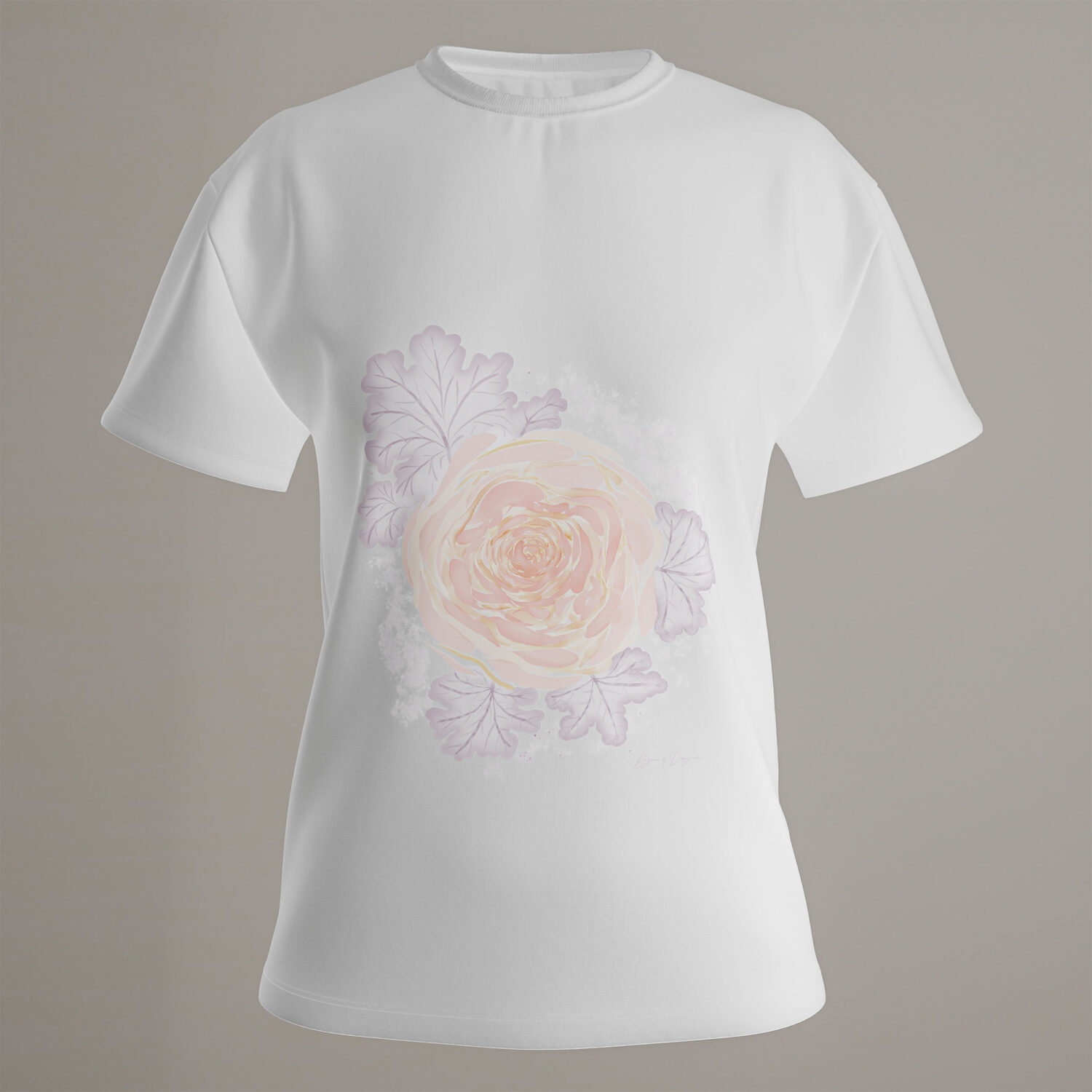
The Rose (Rosa) is arguably the most storied plant in human civilization, with fossil records dating back over 35 million years.Its cultural journey began in the ancient gardens of Persia and China, where it was first cultivated for its intoxicating scent and beauty.The Romans were particularly obsessed, using rose petals as “confetti” at banquets and even floating them in wine to ward off drunkenness.In the Middle Ages, the rose became a powerful political symbol during the English “Wars of the Roses,” where the White Rose of York and the Red Rose of Lancaster fought for the throne, eventually merging into the Tudor Rose. By the 19th century, Empress Joséphine of France established the most significant collection of roses at Malmaison, fueling a breeding boom that led to the “Hybrid Tea” roses we recognize today.
Beyond its beauty, the rose has served as a vital resource in medicine, skincare, and gastronomy for millennia.Rose hips, the fruit left behind after the bloom, were a literal lifesaver during World War II; because they are exceptionally high in Vitamin C, they were harvested to make syrup for children when citrus fruits were unavailable.In the Middle East, the distillation of Rose Water revolutionized the fragrance industry and became a staple in culinary traditions, used to flavor everything from Turkish Delight to Persian stews.Scientifically, rose essential oil is one of the most complex substances in nature, containing hundreds of individual compounds that are used in aromatherapy to reduce stress and promote skin healing.Today, the rose remains the universal symbol of love, secrecy (sub rosa), and endurance, holding the title of the national floral emblem of the United States.