
Lavender
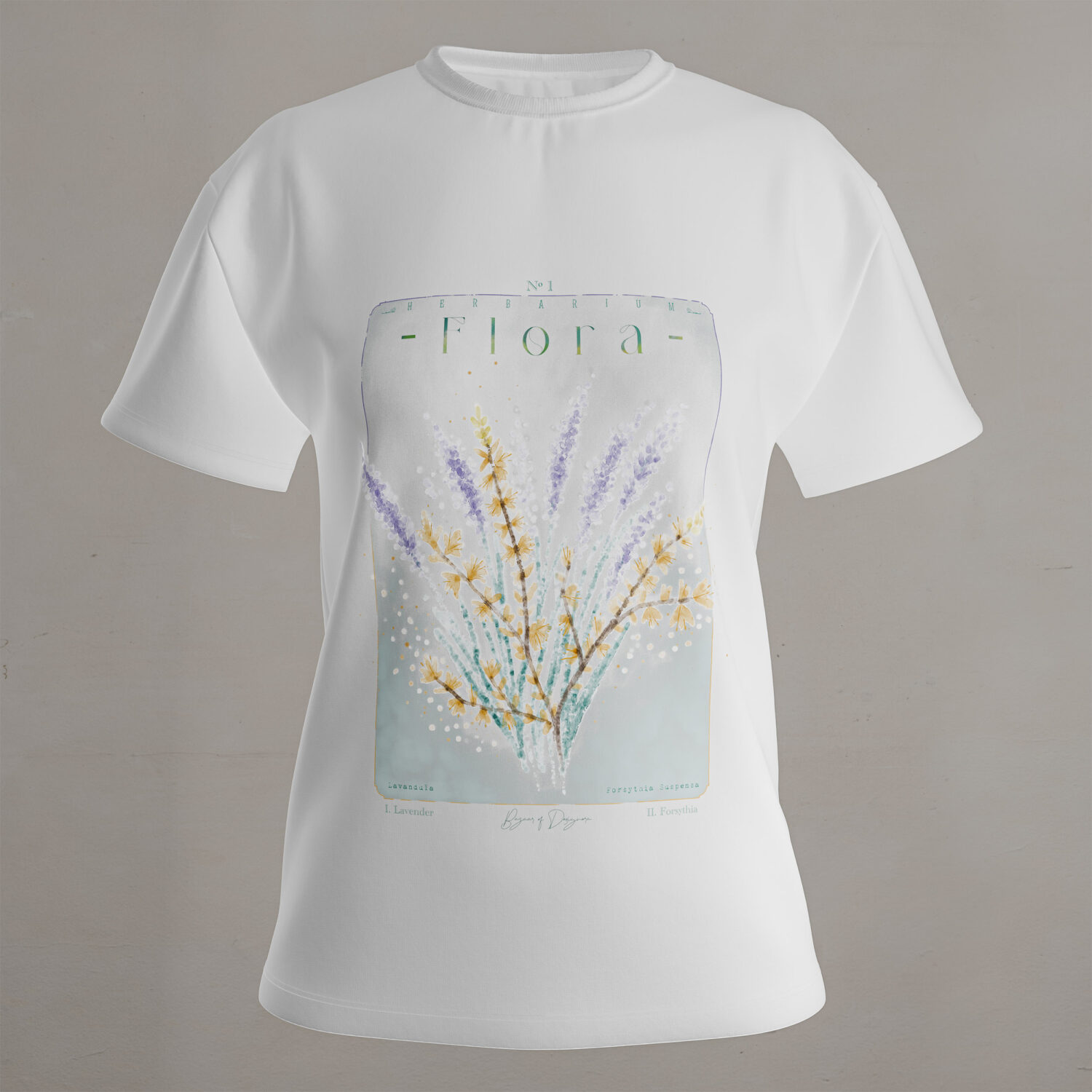
LavandulaThe Purple Peace: Lavender
Lavender (Lavandula) carries a history as clean and refined as its scent, with a name derived from the Latin lavare, meaning “to wash.” This refers to the ancient Romans’ favorite use for the plant: scenting their public bathhouses and laundry. However, its legacy stretches back even further to ancient Egypt, where it was a precious ingredient in mummification unguents and perfumes; indeed, when Tutankhamun’s tomb was opened in 1922, traces of a lavender-like scent were reportedly still detectable after 3,000 years. In the Middle Ages, lavender became a “strewing herb,” cast across castle floors to disinfect the air and repel insects. It was also a royal favorite; Queen Elizabeth I famously required a conserve of lavender at her table to treat her migraines, while Queen Victoria later sparked a “Lavender Craze” in England by using it to polish furniture and scent her entire wardrobe.
Today, lavender is the undisputed heavyweight of the aromatherapy and wellness industries. It is one of the few essential oils backed by modern clinical research for its ability to reduce anxiety, improve sleep quality, and act as a mild sedative. Beyond the spa, it has a dual role as a culinary “secret weapon” and a pharmaceutical powerhouse; “Culinary Lavender” (L. angustifolia) is a key component of the famous Herbes de Provence blend, while its potent antiseptic and antifungal properties continue to be used in natural skincare to treat burns and stings. In the garden, it is a “pollinator magnet” and a champion of drought-tolerant landscaping. As a symbol of purity, devotion, and serenity, lavender remains one of the most versatile and beloved plants in human history, bridging the gap between ancient ritual and modern science.

Secure Purchase

Multicurrency Payments

Free Shipping

Worldwide Delivery

Quality Manufacturing