
Goldenrod
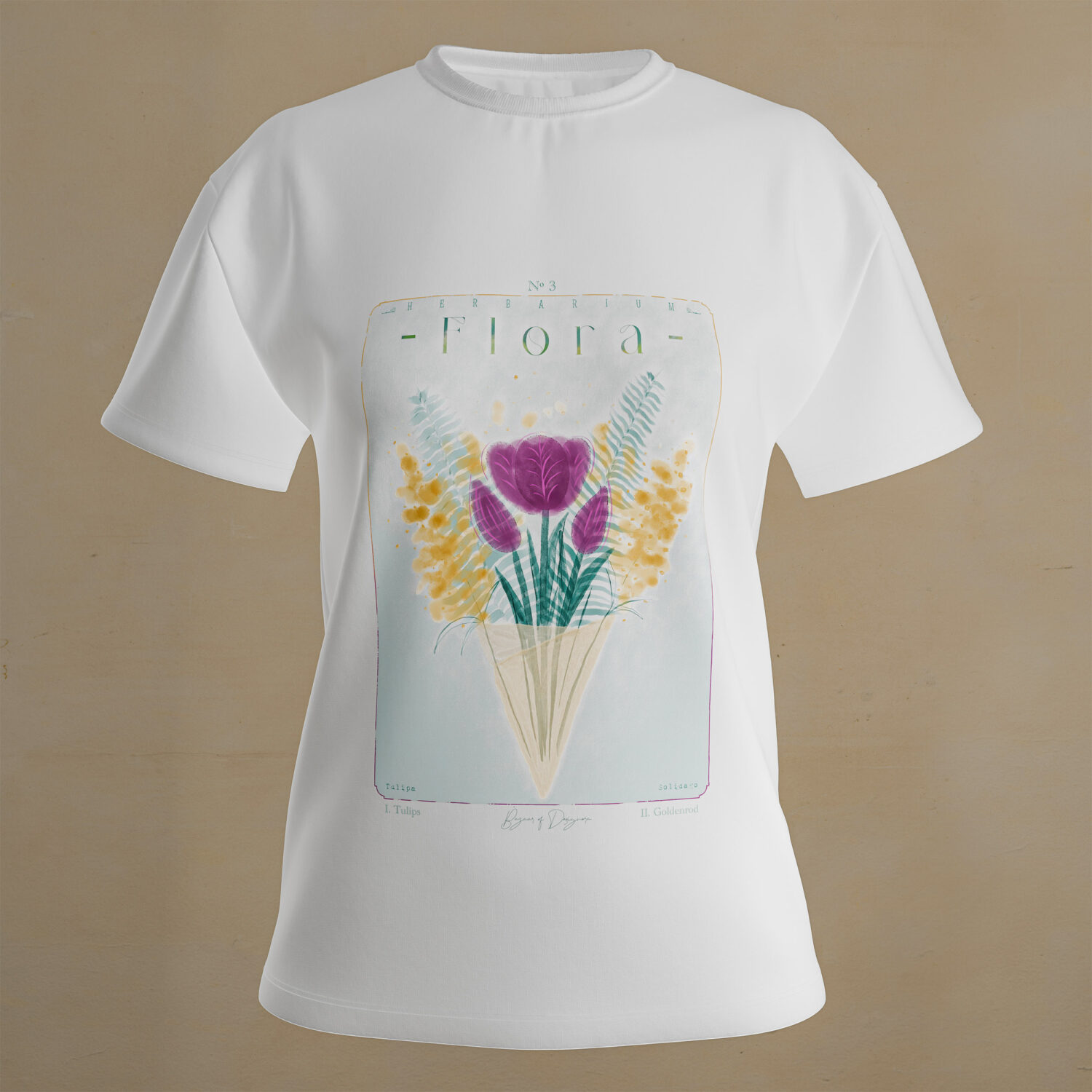
SolidagoThe misunderstood Gilded Healer: Goldenrod
Goldenrod (Solidago) is a robust North American native with a legacy often overshadowed by the mistaken belief that it causes hay fever—a crime actually committed by its inconspicuous neighbor, Ragweed. Its name, Solidago, comes from the Latin solido, meaning “to make whole,” reflecting its ancient reputation as a supreme healing herb. Indigenous North American tribes, such as the Potawatomi and Omaha, used Goldenrod for centuries to treat everything from fevers and snakebites to chest pain. During the American Revolution, Goldenrod gained political fame as “Liberty Tea”; after the Boston Tea Party, colonists brewed its leaves and flowers as a patriotic substitute for taxed British tea. It even caught the eye of Thomas Edison, who, with the help of Henry Ford and Harvey Firestone, successfully extracted a high-quality natural rubber from the plant’s leaves.
In modern usage, Goldenrod has reclaimed its status as both a medicinal powerhouse and an ecological cornerstone. It is a primary ingredient in European herbal medicine for “irrigation therapy,” used to flush out kidney stones and treat urinary tract infections due to its potent diuretic and anti-inflammatory properties. In the garden, it is an essential “bridge” plant for biodiversity; as one of the last nectar sources to bloom in the autumn, it provides a vital energy boost for migrating Monarch butterflies and bees preparing for winter. Its vibrant blossoms also yield a luminous yellow-gold dye that remains a favorite for natural fiber artists. Today, Goldenrod stands as a symbol of encouragement and good fortune, turning late-summer meadows into waves of brilliant, healing gold.

Secure Purchase

Multicurrency Payments

Free Shipping

Worldwide Delivery

Quality Manufacturing