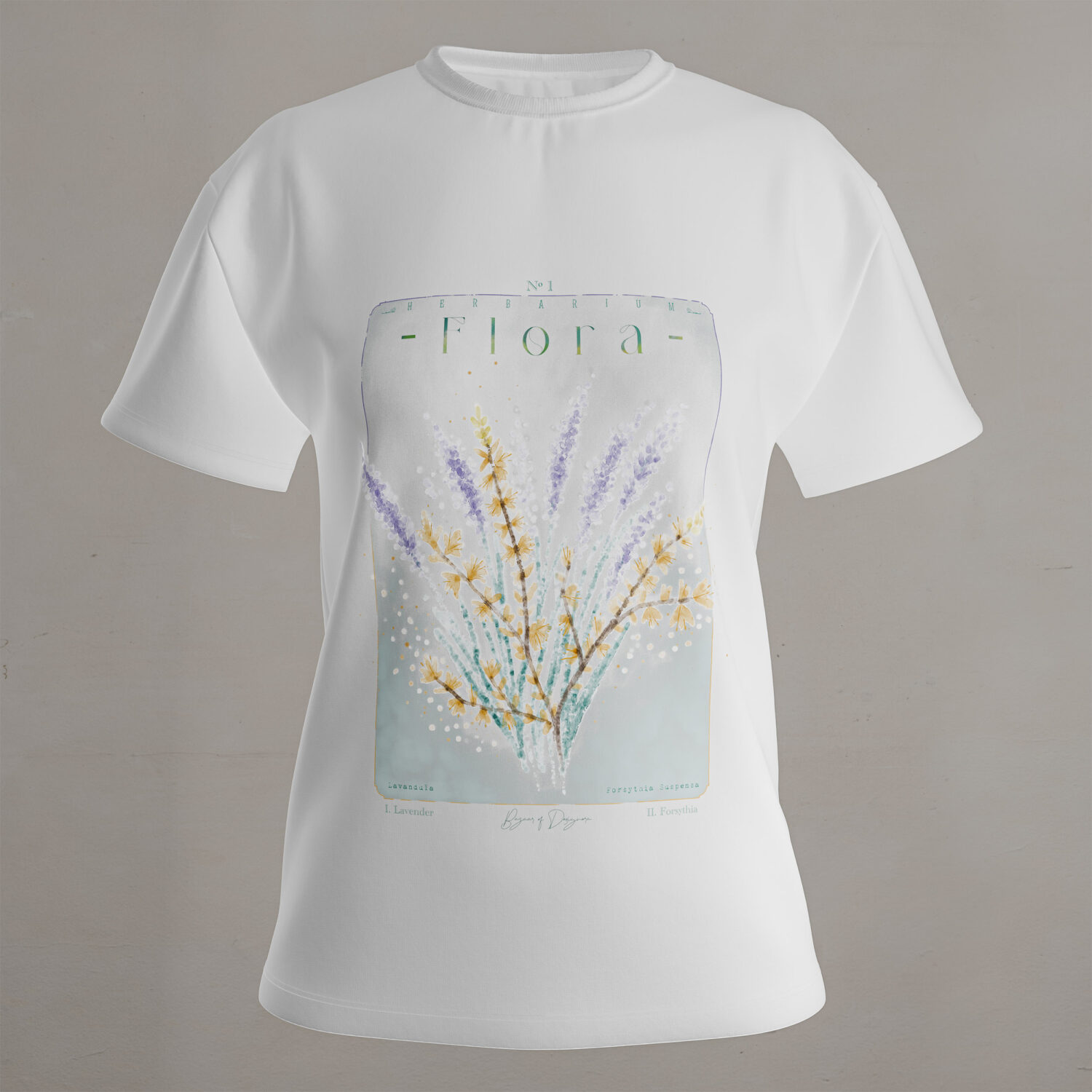
The Forsythia is celebrated as the vibrant “herald of spring,” named in honor of William Forsyth, a Scottish botanist who was a founding member of the Royal Horticultural Society and the head gardener at Kensington Palace in the 18th century. Native primarily to East Asia, particularly China and Korea, the plant was introduced to the West in the mid-1800s by the famed plant hunter Robert Fortune. Long before it reached European gardens, however, it was a cornerstone of Asian culture and medicine. In China, it is known as Lian Qiao and has been used for over 2,000 years to clear “heat” and toxins from the body.Its brilliant yellow, four-petaled flowers are unique because they burst into bloom on bare wood, often while snow is still on the ground, making the plant a powerful symbol of anticipation and renewal.
Beyond its role as a seasonal showstopper in landscaping, the Forsythia has significant practical and pharmacological utility.The fruit of the Forsythia suspensa is one of the 50 fundamental herbs in Traditional Chinese Medicine, valued for its anti-inflammatory, antibacterial, and antiviral properties.Modern scientific studies have isolated compounds within the plant, such as forsythoside A, which are being researched for their potential in treating respiratory infections and reducing fevers. In Korea, the flexible, arching branches of certain species have historically been used to craft traditional musical instruments and sturdy baskets. Today, whether utilized in a clinical setting or as a glowing “living fence” in a suburban yard, the Forsythia remains a testament to the beauty of resilience and the promise of warmer days ahead.