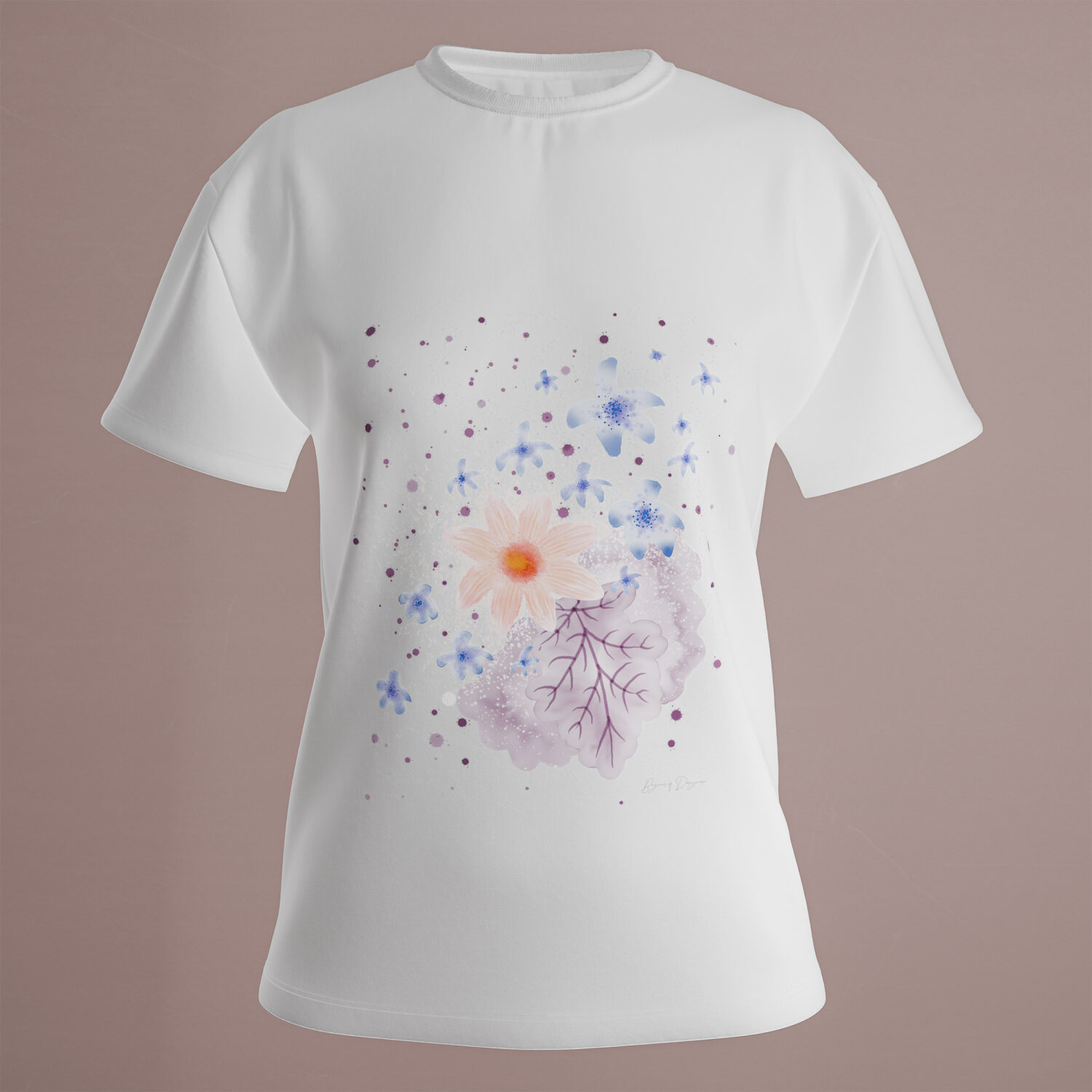
The Celestial Spire: Delphinium
The Delphinium, often called “Larkspur,” carries a legacy of ancient myth and high-society gardening. Its name is derived from the Greek word delphis (dolphin), a reference to the shape of the flower buds before they bloom, which ancient Greeks believed resembled the nose of a dolphin. In Greek mythology, the flower was said to have sprung from the blood of the hero Ajax, with the markings on the petals supposedly forming the Greek letters “AI,” a cry of grief. Throughout history, the Delphinium has been valued for its intense blue pigments, which are rare in the botanical world. Indigenous North Americans and Europeans alike used the crushed flowers to create vibrant blue dyes and inks. By the Victorian era, the Delphinium became a status symbol in English “cottage gardens,” representing the height of horticultural achievement due to the skill required to grow its towering, majestic spires.
In terms of utility, the Delphinium has a complex and cautious history. While it was once used in traditional folk medicine to treat parasites (such as lice) and as a sedative, modern science has highlighted the plant’s high toxicity. All parts of the Delphinium contain delphinine and other alkaloids that are hazardous if ingested, leading it to be used more as a natural insecticide in historical agricultural practices than as an internal remedy. Today, its primary use is ornamental and symbolic; it is the birth flower for July and represents cheerfulness, goodwill, and big-heartedness. It remains a favorite for florists and landscape designers who use its architectural height to create a sense of drama and “heavenly” blue color that few other plants can replicate.