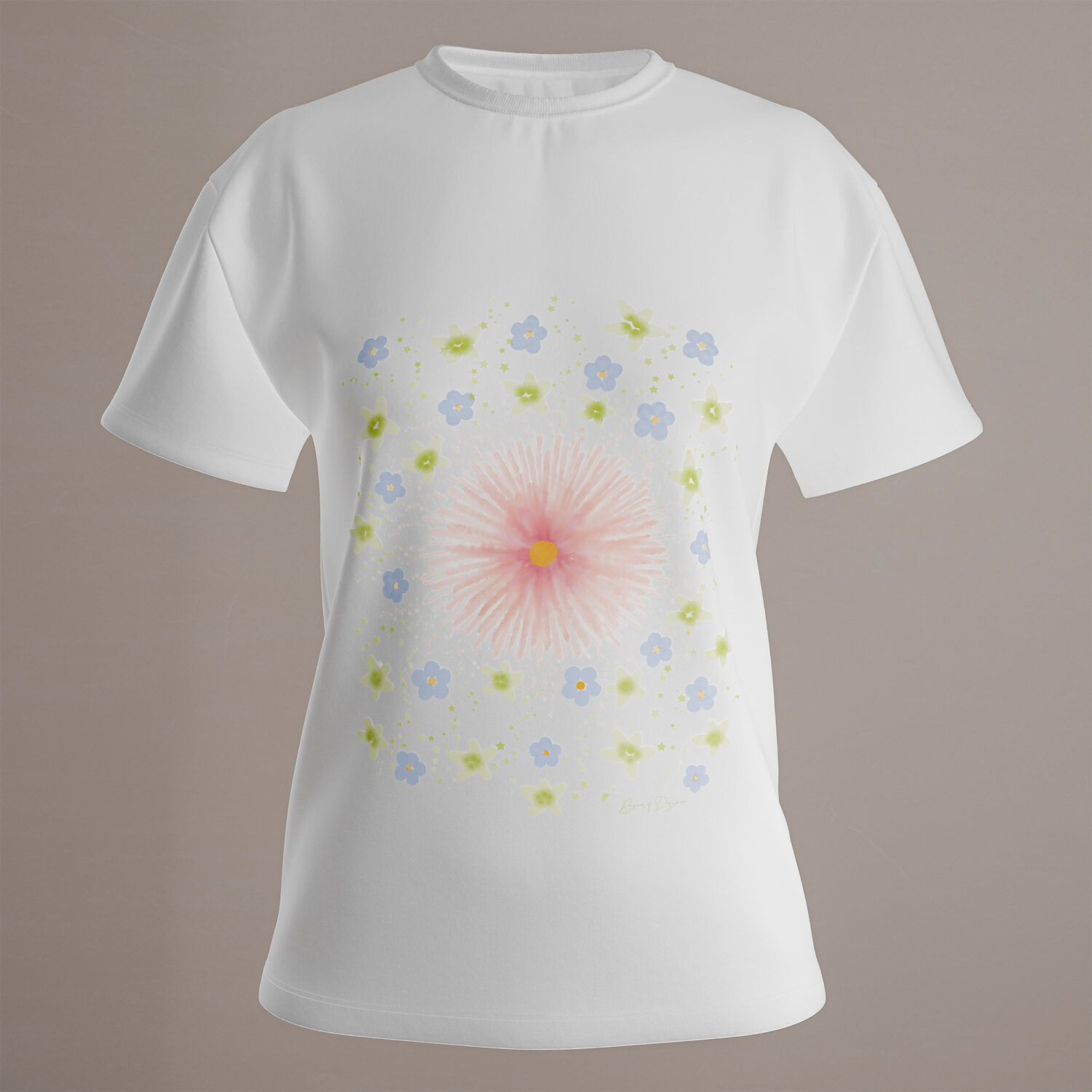
The Daisy (Bellis perennis) boasts a name derived from the Old English daeges eage, or “day’s eye,” a poetic reference to how the flower’s petals close over its yellow center at night and reopen at dawn.Its history is deeply rooted in ancient mythology; in Norse legend, the daisy was the sacred flower of Freya, the goddess of love, beauty, and fertility, making it an enduring symbol of childbirth and new beginnings.By the Roman era, the daisy’s utility was largely medicinal—surgeons traveling with Roman legions would extract the plant’s juices to soak bandages, having discovered its ability to help heal wounds and reduce inflammation.In the Middle Ages, it was a common ingredient in “wound-herbs” and was even consumed to treat pleurisy and “troubles of the spirit.”
Today, the daisy’s use has transitioned from the apothecary to the landscape and the kitchen. While it remains the quintessential symbol of innocence and purity, it is also a surprisingly resilient “utility” plant. The young leaves and flower heads are edible and can be used in salads, often described as having a slightly bitter, nutty flavor similar to kale. In modern herbalism, a tea made from the wild daisy is still used as a traditional remedy for coughs and catarrh. Because of its hardy nature and ability to grow in almost any soil, the daisy is often used in ecological restoration to provide early-season nectar for pollinators. Whether used as a simple garden border or a garnish for a gourmet dish, the daisy remains a timeless icon of simplicity and resilience.