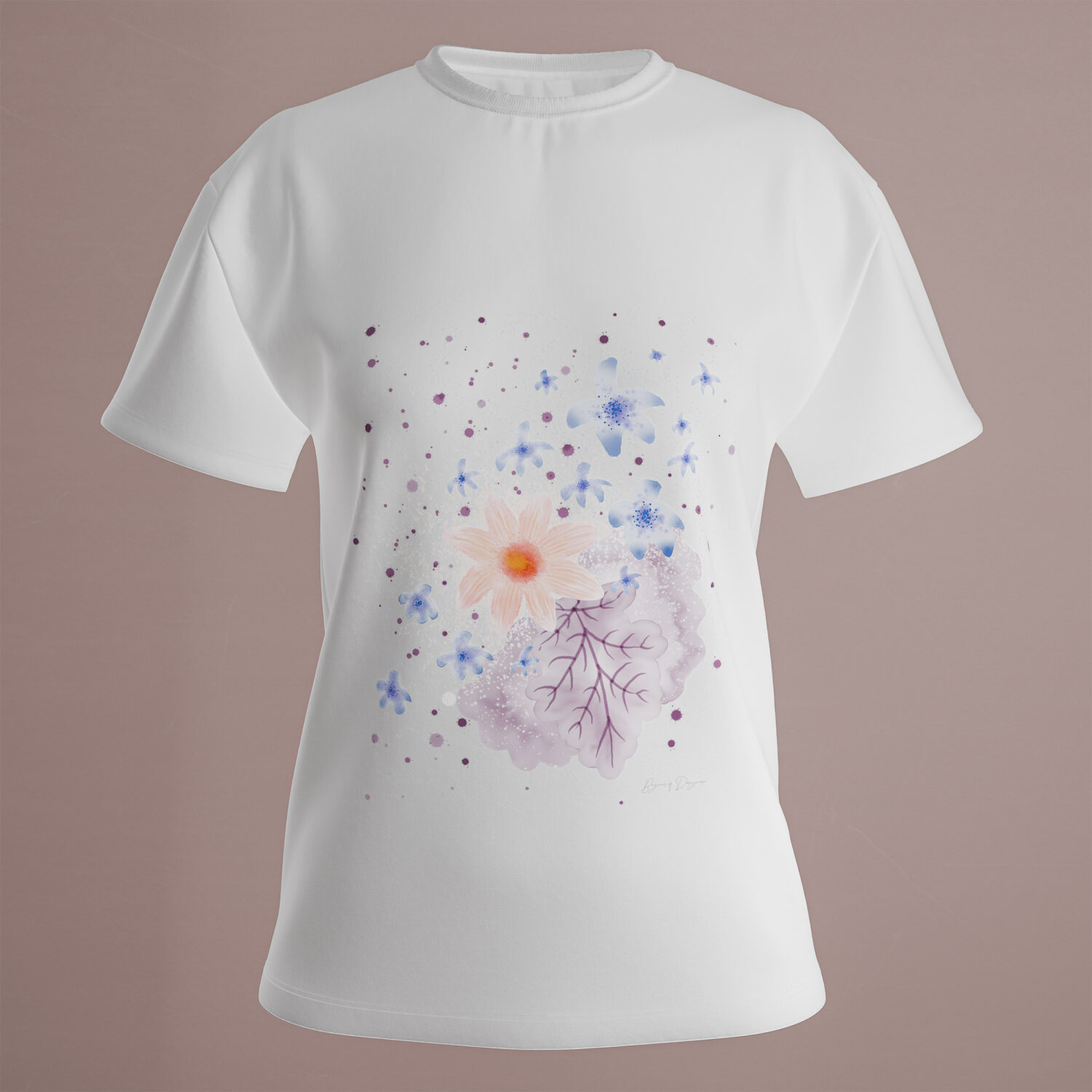
The Dahlia possesses a regal and dramatic history that began in the high mountain plateaus of Mexico, where it was first cultivated by the Aztecs. To them, the plant was known as Acocotle or “water cane,” valued not for its blossoms but for its hollow, reed-like stems—which were used to transport water—and its starchy, edible tubers, which served as a vital food source and a treatment for epilepsy.Following the Spanish Conquest, the plant reached Europe in the late 18th century, arriving at the Royal Botanical Garden in Madrid.It was eventually renamed in honor of Swedish botanist Anders Dahl. While early European botanists initially hoped the Dahlia would rival the potato as a food crop, the flower’s extraordinary ability to hybridize soon shifted the focus to its aesthetics. By the Victorian era, “Dahliamania” had taken hold, leading to the creation of thousands of varieties ranging from the tiny “Pompon” to the massive “Dinner Plate” blooms.
Beyond its status as a garden showstopper, the Dahlia remains a plant of significant utility and cultural pride.It was declared the National Flower of Mexico in 1963, honoring its deep indigenous roots. In modern culinary circles, there has been a resurgence in using the tubers as a sustainable root vegetable, often described as having a flavor profile between a water chestnut and a Jerusalem artichoke. Furthermore, the vibrant pigments extracted from its petals continue to be used as high-quality natural dyes for wool and silk. Medicinally, historical research into the Dahlia’s tubers led to the discovery of inulin, a natural sugar used to help diagnose kidney function and manage diabetes before the advent of synthetic insulin. Today, the Dahlia stands as a symbol of inner strength, creativity, and elegance, continuing to captivate both scientists and artists alike.