
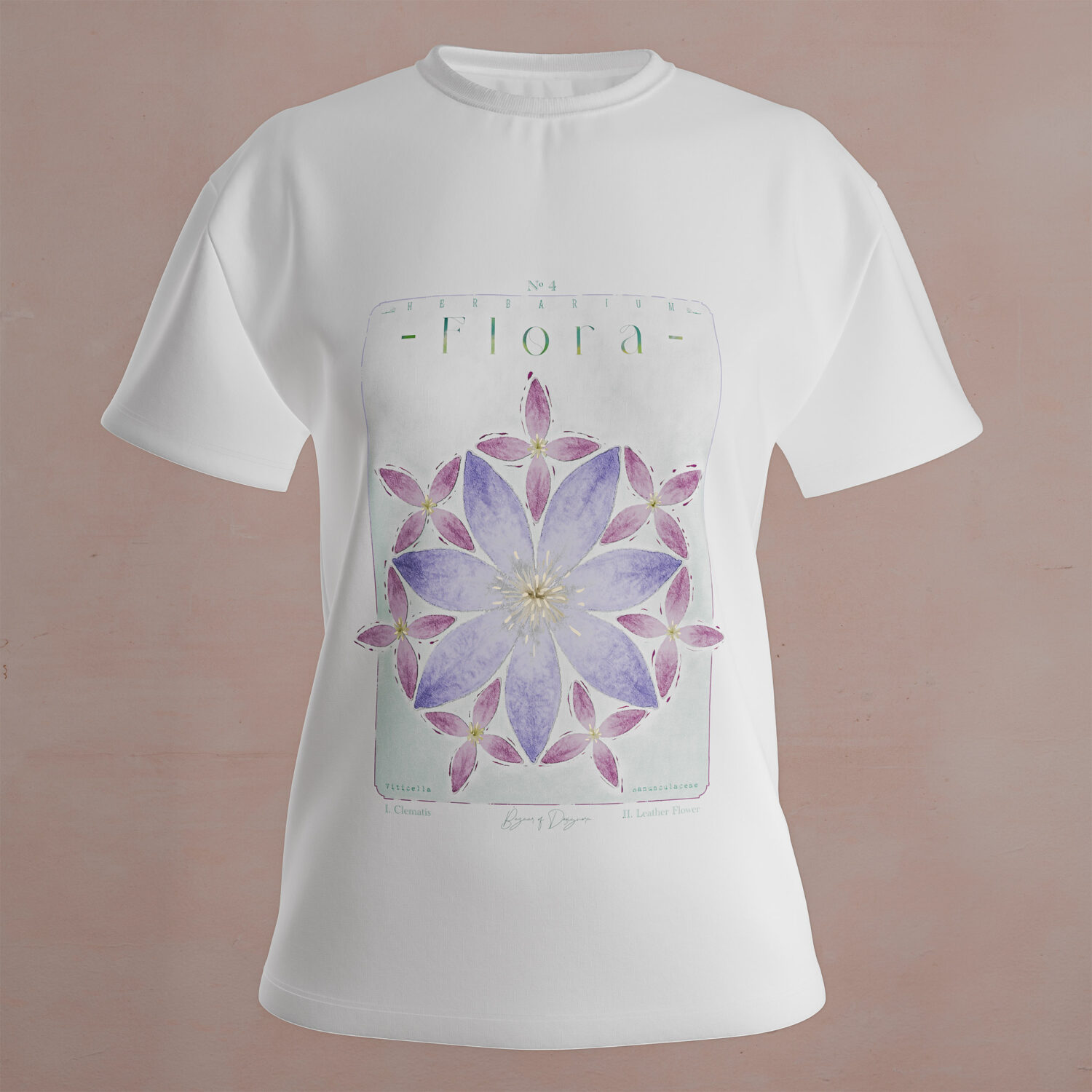
Clematis
Clematis occidentalisThe Traveler’s Joy: Clematis
The Clematis, often hailed as the “Queen of Climbers,” boasts a history rooted in both rugged folklore and Victorian obsession. Part of the buttercup family (Ranunculaceae), it earned the nickname “Traveler’s Joy” in the 16th century from herbalist John Gerard, who noted how its sprawling vines decorated the highways and hedges of England, providing a pleasant sight for weary voyagers. In the mid-19th century, the plant became a sensation in European horticulture when hybridizers began crossing sturdy, small-flowered species from the Himalayas with large-flowered varieties from China and Japan. This era gave birth to the famous Clematis ‘Jackmanii’, which remains a staple of garden design today.
While primarily prized for its ornamental beauty and its ability to transform vertical spaces like trellises and pergolas, the Clematis has a history of medicinal and practical utility. In various traditional practices, its leaves were used to treat skin conditions and migraines, though with great caution, as the plant contains protoanemonin, a chemical that can cause irritation if not prepared correctly. In rural Europe, the sturdy, flexible stems were occasionally used as binding material or woven into rustic baskets. Symbolically, the Clematis has come to represent mental beauty and ingenuity, a nod to its clever way of climbing by wrapping its leafstalks around anything within reach. Today, it remains a favorite for gardeners seeking to add a layer of lush, star-shaped elegance to their landscapes.

Secure Purchase

Multicurrency Payments

Free Shipping

Worldwide Delivery

Quality Manufacturing