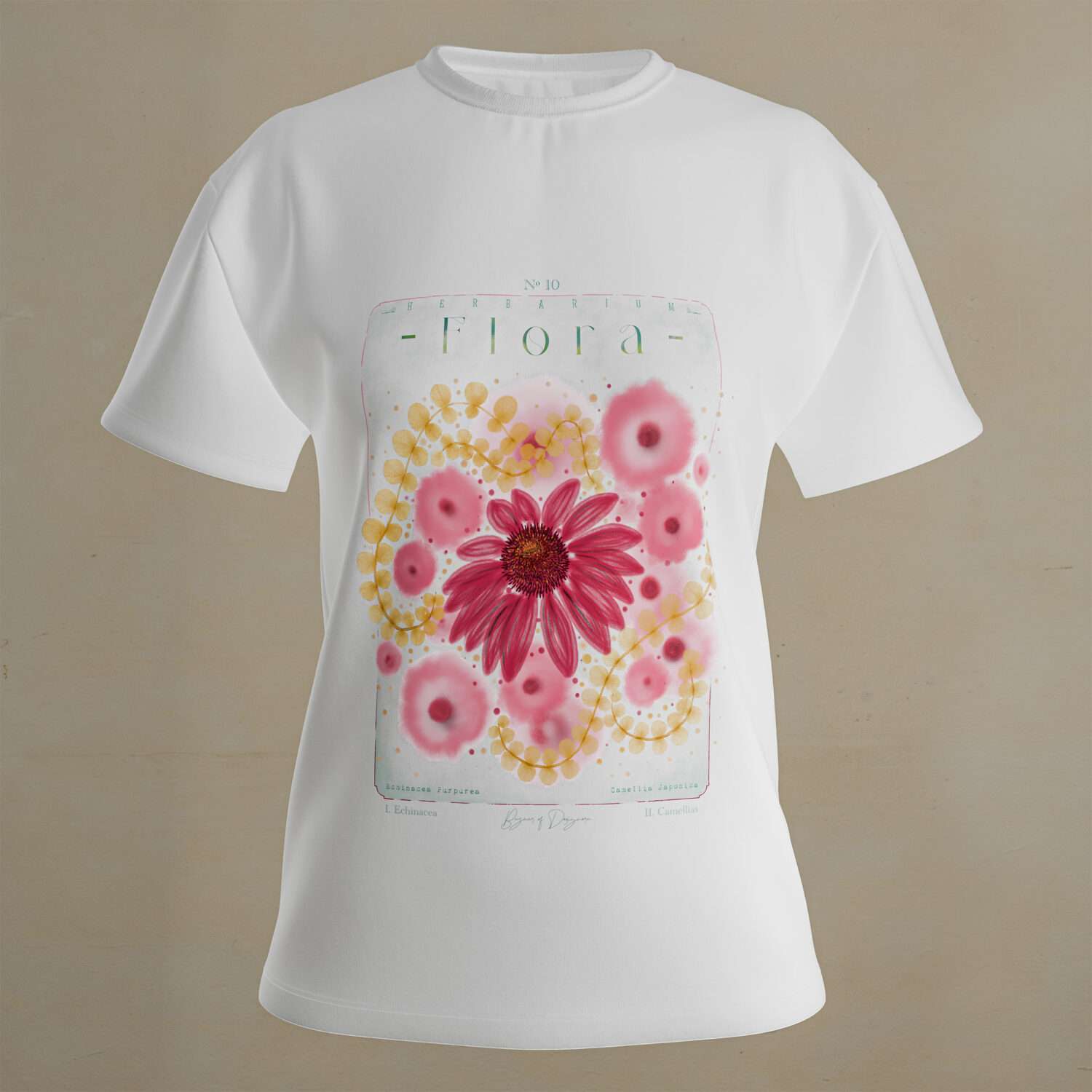
The Camellia has a prestigious history spanning over 5,000 years, beginning in East Asia where it was cultivated long before it reached the Western world. While the Camellia japonica is the most famous ornamental variety, its relative, Camellia sinensis, is arguably the most economically significant plant in history—it is the source of all true tea. In China and Japan, the Camellia (known as Tsubaki)was revered by the nobility and samurai alike; it symbolized strength and the fleeting nature of life because, unlike other flowers that lose their petals one by one, the entire head of the Camellia drops at once, evoking the image of a noble warrior’s fall.It eventually traveled to Europe in the 18th century, where it became a staple of luxury and high fashion, famously immortalized by Coco Chanel as the house’s iconic emblem.
Beyond its decorative and spiritual roles, the Camellia has been a cornerstone of ancient beauty and wellness rituals.Camellia oil, or Tsubaki oil, has been used by Japanese geishas for centuries to maintain the luster of their hair and the suppleness of their skin, thanks to its high concentration of oleic acid and antioxidants.In culinary traditions, the seeds are pressed into a heart-healthy cooking oil, while the petals themselves are occasionally used in traditional medicine to treat inflammation or as a garnish in gourmet dishes.Today, it remains a symbol of perfection and longevity, prized for its ability to bloom in the dead of winter when most other flowers are dormant.