
Zinnia
Zinnia elegansThe Sun’s Disciple: Zinnia
The Zinnia is a testament to the transformative power of horticulture, evolving from a scrawny Mexican wildflower into a global garden superstar. When 16th-century Spanish explorers first encountered the plant in Mexico, they were so unimpressed by its "muddy" purple and yellow blooms that they dubbed it mal de ojos—literally "sickness of the eye." However, the Aztecs saw it differently, revering the flower for its sun-like radiance and using it in rituals dedicated to their sun gods. The plant eventually found its way to Europe in the 18th century, where it was named in honor of the German botanist Johann Gottfried Zinn, a man who, ironically, was also a famous anatomist of the human eye. It wasn't until the 19th-century French breeding boom that the zinnia truly "arrived," as gardeners developed the lush, double-petaled forms that replaced the "scrawny" wild look. By the Victorian era, the zinnia had become a favorite in the "Language of Flowers," representing endurance and thoughts of an absent friend.
In terms of utility, the zinnia is often called the "hardest working flower in the garden" due to its incredible versatility. Historically, Indigenous tribes like the Navajo and Pueblo utilized zinnias as "Life Medicines," using them to treat digestive issues or even feeding the blossoms to children in the belief that the flower's vibrancy would make them more eloquent and intelligent. Today, its primary "job" is ecological; its flat-topped blooms provide a perfect "landing pad" for butterflies, especially Monarchs, and its high nectar content makes it a powerhouse for pollinators. Scientifically, the zinnia made history in January 2016 as the first flower ever to bloom in space aboard the International Space Station, serving as a biological test subject for future long-term space travel. Whether used as a vibrant cut flower with a ten-day vase life or as a "sentinel" to ward off whiteflies in vegetable patches, the zinnia remains a symbol of joyous resilience and colorful constancy.
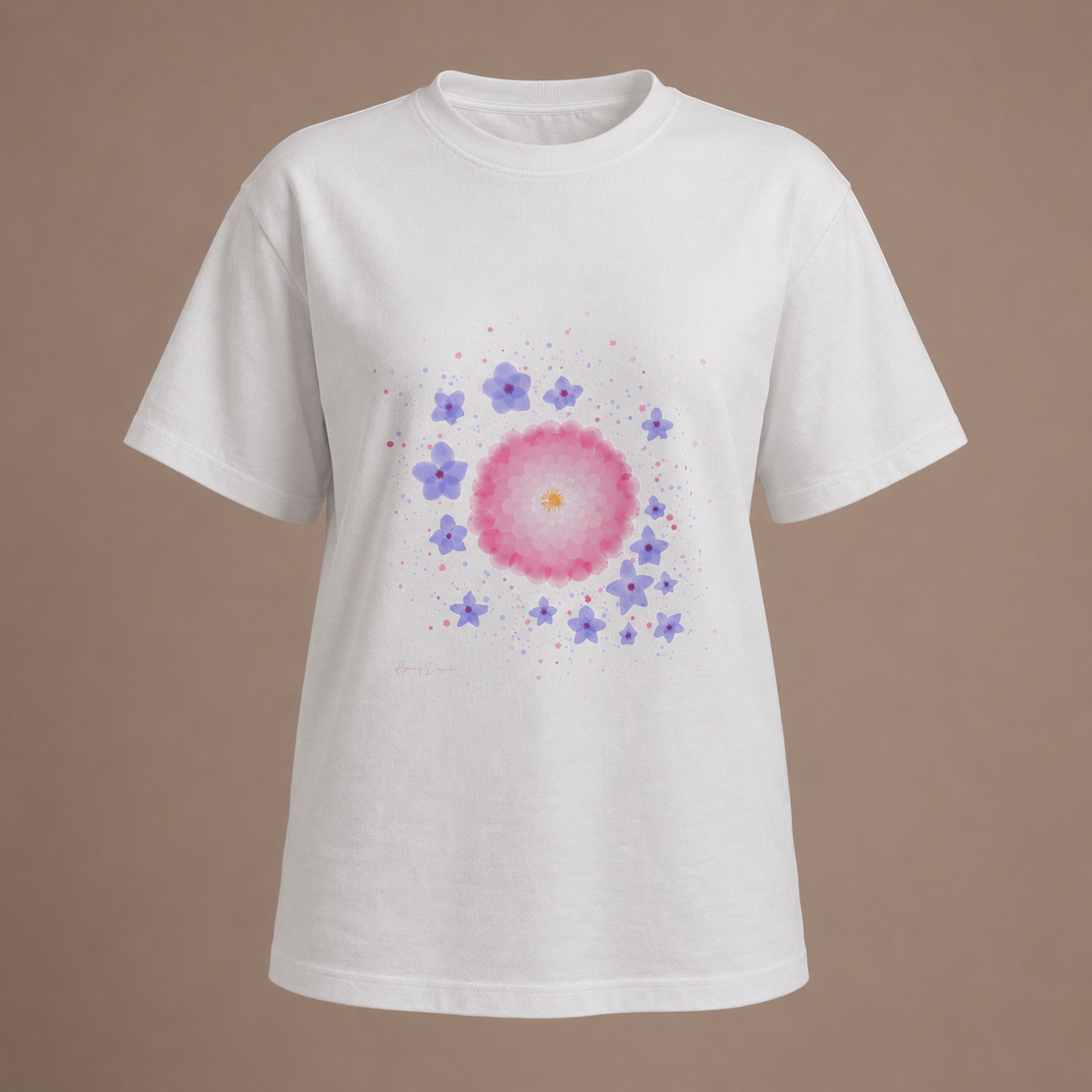
ON DEMAND production
WORKS LIKE THIS:

Purchase
Our customers buy the products they desire.

The factory receives the orders, prints & assembles the products.

Delivery
The orders are shipped and delivered to our customers.

SECURE PURCHASE

MULTICURRENCY PAYMENTS

FREE SHIPPING

WORLDWIDE DELIVERY

QUALITY MANUFACTURING
From Us To You
Every product you buy accumulates special ⭐ that can be used to acquire items from a special hidden collection for free.
Sustainable Workflow
Instead of focusing on "eco" materials, we are producing only the items that are actually selling, reducing the overall impact on the environment.
Upcycling System
If you stop wearing an item purchased from us, just send it over and get a ⭐ in return! We will resell it in our pre-loved shop or we will recycle it.