
Hellebore
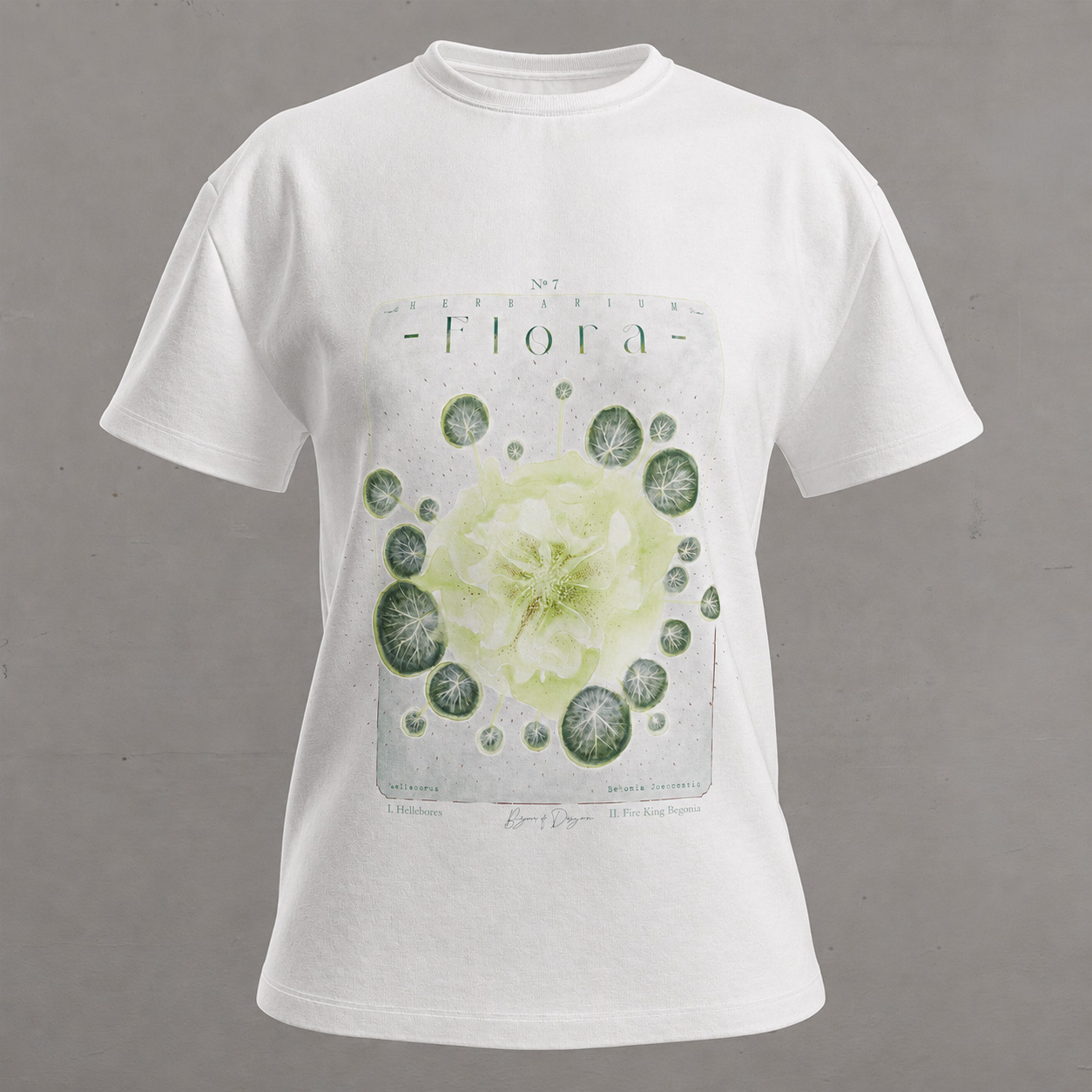
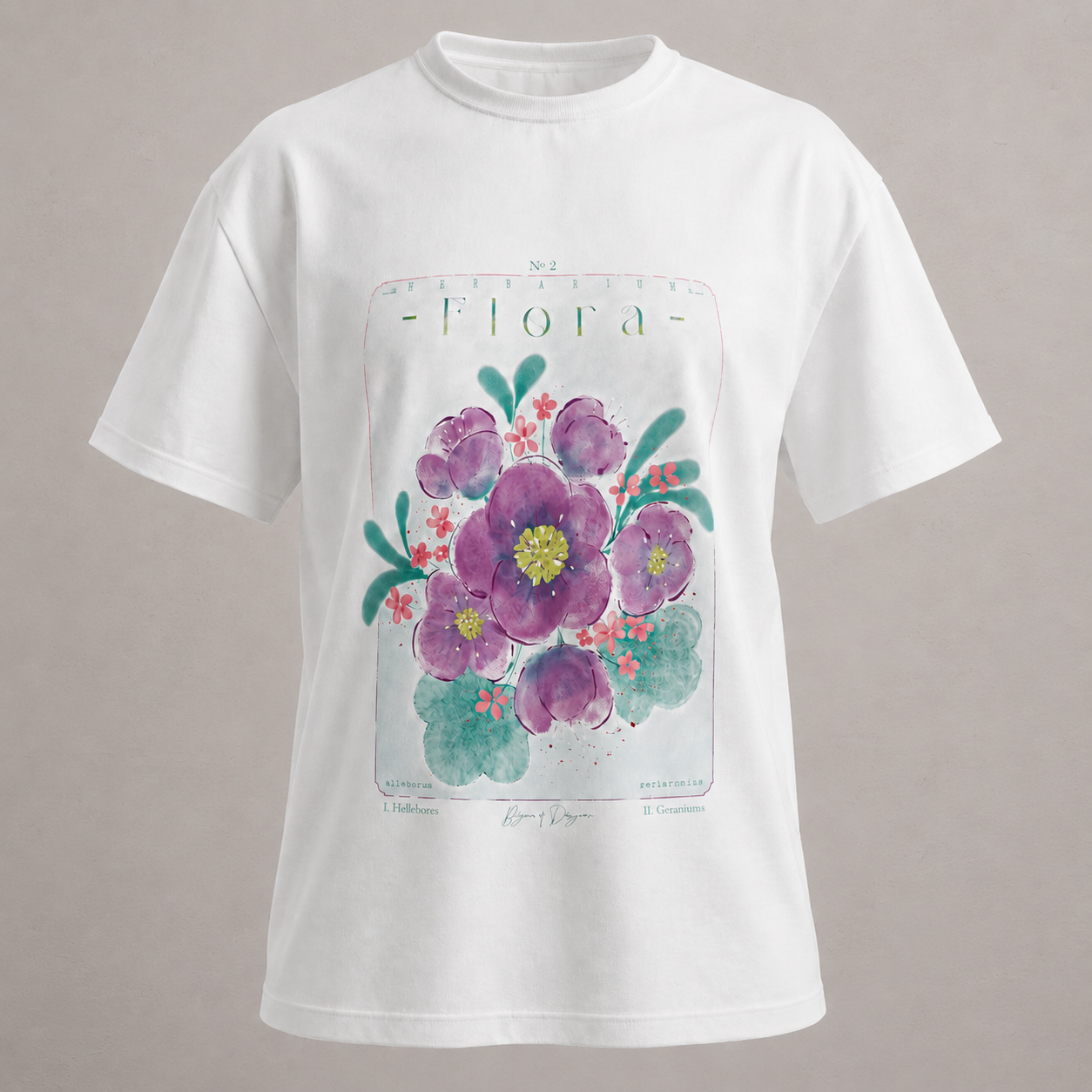
HelleborusThe Oracle’s Bloom: Hellebore
The Hellebore (Helleborus), often called the "Lenten Rose" or "Christmas Rose," carries one of the darkest and most mystical histories in the botanical world. Native to Europe and Asia, its name is derived from the Greek helein (to injure) and bora (food), a stark warning of its high toxicity. In Greek mythology, the plant was famously used by the healer Melampus to cure the daughters of the King of Argos of a madness that caused them to run naked through the streets—a feat that earned Hellebore a reputation as a treatment for insanity and "melancholy." However, it also had a more sinister role in ancient warfare; during the Siege of Kirrha in 585 BCE, it is said that the Greeks poisoned the city’s water supply with crushed Hellebore roots, inducing such severe illness in the defenders that the city fell.
Despite its dangerous past, the Hellebore is a prized "architectural" plant in modern gardening and a subject of refined scientific study. While its internal use is now strictly forbidden in modern medicine due to the presence of cardiac glycosides, researchers are investigating compounds in the plant for their potential anti-cancer and anti-inflammatory properties. In the landscape, Hellebores are cherished for their rare ability to bloom in the dead of winter, pushing through the snow to provide nectar for early-emerging bees. Their flowers are unique because what appear to be petals are actually sepals (modified leaves), which remain on the plant for months, providing long-lasting visual interest. Today, the Hellebore stands as a symbol of tranquility and protection, a hardy sentinel that thrives in the shadows of the winter garden.
ON DEMAND production
WORKS LIKE THIS:

Purchase
Our customers buy the products they desire.

The factory receives the orders, prints & assembles the products.

Delivery
The orders are shipped and delivered to our customers.

SECURE PURCHASE

MULTICURRENCY PAYMENTS

FREE SHIPPING

WORLDWIDE DELIVERY

QUALITY MANUFACTURING
From Us To You
Every product you buy accumulates special ⭐ that can be used to acquire items from a special hidden collection for free.
Sustainable Workflow
Instead of focusing on "eco" materials, we are producing only the items that are actually selling, reducing the overall impact on the environment.
Upcycling System
If you stop wearing an item purchased from us, just send it over and get a ⭐ in return! We will resell it in our pre-loved shop or we will recycle it.