
Coneflower
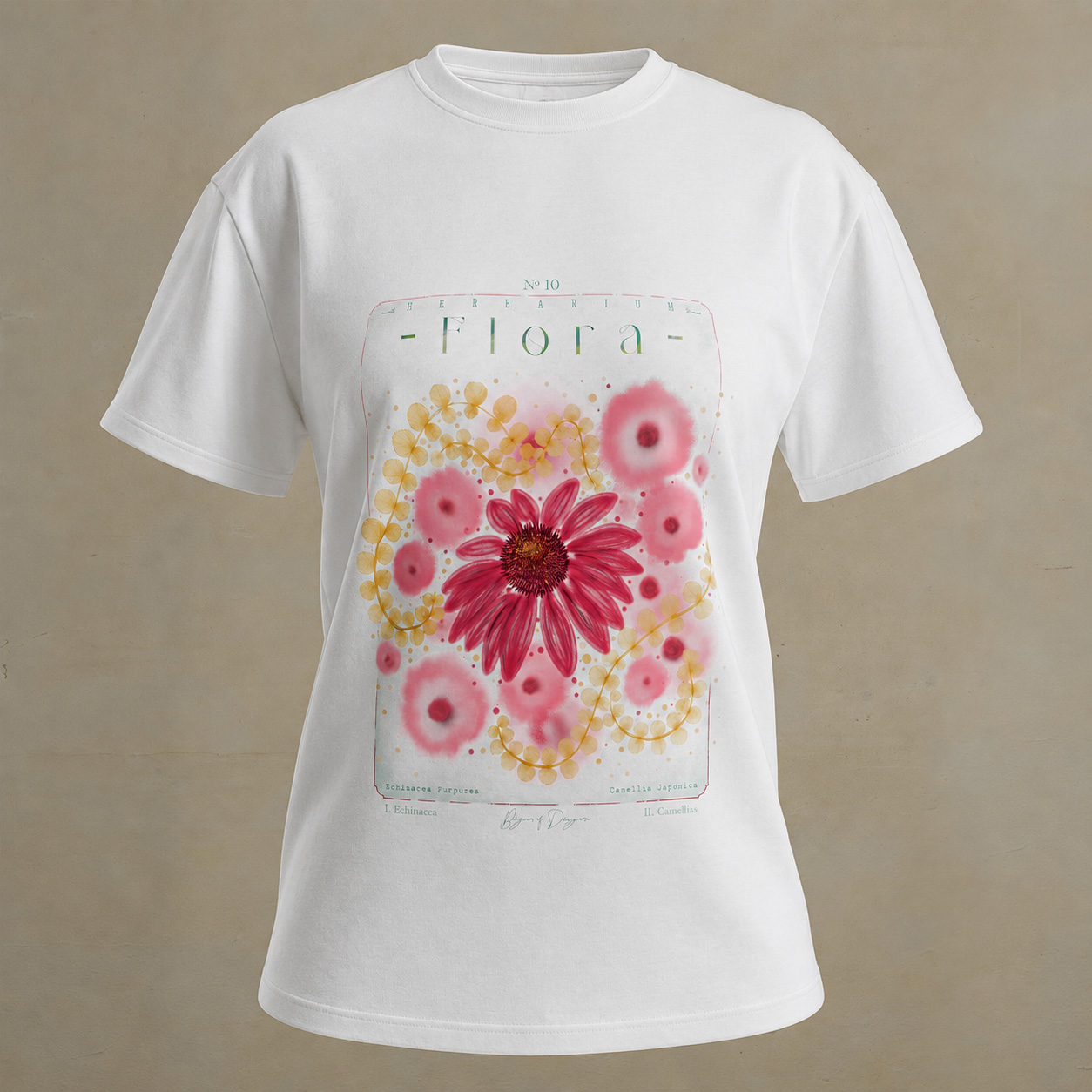
EchinaceaThe Prairie Healer: Echinacea
Echinacea, commonly known as the Purple Coneflower, is a hallmark of the North American Great Plains with a history deeply intertwined with Indigenous medicine.
ON DEMAND production
WORKS LIKE THIS:

Purchase
Our customers buy the products they desire.

The factory receives the orders, prints & assembles the products.

Delivery
The orders are shipped and delivered to our customers.

SECURE PURCHASE

MULTICURRENCY PAYMENTS

FREE SHIPPING

WORLDWIDE DELIVERY

QUALITY MANUFACTURING
From Us To You
Every product you buy accumulates special ⭐ that can be used to acquire items from a special hidden collection for free.
Sustainable Workflow
Instead of focusing on "eco" materials, we are producing only the items that are actually selling, reducing the overall impact on the environment.
Upcycling System
If you stop wearing an item purchased from us, just send it over and get a ⭐ in return! We will resell it in our pre-loved shop or we will recycle it.